What does Jeremiah 33:23 mean?
"Moreover the word of the LORD came to Jeremiah, saying," - Jeremiah 33:23

Jeremiah 33:23 in the King James Version of the Bible reads, “Moreover the word of the Lord came to Jeremiah, saying, ‘Have you not observed what these people are speaking, saying, The two families which the Lord has chosen, He has even cast them off? Thus they have despised My people, that they should no more be a nation before them.’”
This verse is part of a larger passage in the book of Jeremiah, which was written during a tumultuous time in the history of Israel. The prophet Jeremiah lived during the time of the Babylonian exile, and his writings reflect the pain, confusion, and hope of his people. In this particular verse, Jeremiah is relaying a message from the Lord to the people of Israel, addressing their fears and concerns about their status as God’s chosen people.
The context of this verse is important in understanding its meaning. At the time, the people of Israel were facing a crisis of identity and faith. They had been conquered and taken into exile by the Babylonians, and they were wrestling with the idea that God had abandoned them. They wondered if they were still the chosen people of God, or if they had been cast off and forgotten. The prophet Jeremiah was tasked with bringing a message of hope and reassurance to his people, and this verse is part of that message.
One of the primary themes of this verse is the steadfastness of God’s love and commitment to His people. Despite the doubts and fears of the Israelites, God affirms through Jeremiah that He has not cast off His chosen people. The language used in this verse reflects the heartache and frustration of the Israelites, but it also communicates God's unwavering loyalty and protection over his people. This theme of God’s faithfulness and unchanging nature is a central concept throughout the Bible, and it is particularly poignant in the context of the Israelites’ suffering and exile.
The symbolism in this verse is also significant. The mention of “the two families which the Lord has chosen” likely refers to the tribes of Judah and Israel, the two kingdoms of the Israelite nation. This symbolic language reinforces the idea that God has not forsaken His people, but rather remains committed to both the northern and southern kingdoms. The use of “families” and “chosen” conveys the intimate and personal relationship that God has with His people, emphasizing the depth of His love and care for them.
Understanding the historical and cultural context of this verse is essential for grasping its full meaning. The Babylonian exile was a defining moment in the history of Israel, and it had a profound impact on the faith and identity of the Hebrew people. In the midst of this crisis, the prophet Jeremiah’s message of hope and restoration served as a lifeline for the Israelites, reminding them of God’s enduring presence and promises.
In conclusion, Jeremiah 33:23 conveys a powerful message of God’s faithfulness and steadfast love in the face of doubt and despair. Its themes of reassurance, loyalty, and symbolism of God's chosen people all point to the unchanging nature of God’s character and His enduring commitment to His people. This verse continues to offer hope and encouragement to believers today, reminding us that even in our darkest moments, God remains faithful and present in our lives.
Have questions about Jeremiah 33:23?
Dive deeper into this scripture with Bible Chat — an AI-powered tool for exploring God's Word through conversation. Ask questions, get context, and grow in your understanding of the Bible.
Get Our Apps


Jeremiah 33:23 Artwork

Jeremiah 33:23 - "Moreover the word of the LORD came to Jeremiah, saying,"

"Moreover the word of the LORD came to Jeremiah, saying," - Jeremiah 33:23

Jeremiah 23:33 - "¶ And when this people, or the prophet, or a priest, shall ask thee, saying, What is the burden of the LORD? thou shalt then say unto them, What burden? I will even forsake you, saith the LORD."

Jeremiah 33:19 - "¶ And the word of the LORD came unto Jeremiah, saying,"

Jeremiah 33:3

Jeremiah 33:3

Jeremiah 23:33 "So when these people or the prophet or the priest ask you, saying, 'What is the oracle of the Lord?' you shall then say to them, 'What oracle?' I will even forsake you," says the Lord

Jeremiah 33:2-11

Jeremiah 33:2-11

Jeremiah 31:31-33

Jeremiah 33 verse five

Jeremiah 31:31-33

"¶ And the word of the LORD came unto Jeremiah, saying," - Jeremiah 33:19

Leviticus 23:33 - "¶ And the LORD spake unto Moses, saying,"
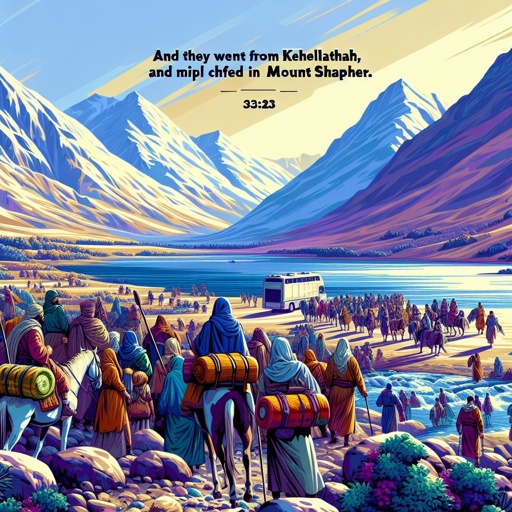
Numbers 33:23 - "And they went from Kehelathah, and pitched in mount Shapher."

Ezekiel 33:23 - "Then the word of the LORD came unto me, saying,"

Jeremiah 33:1 - "Moreover the word of the LORD came unto Jeremiah the second time, while he was yet shut up in the court of the prison, saying,"

2 Samuel 23:33 - "Shammah the Hararite, Ahiam the son of Sharar the Hararite,"

Jeremiah 23:23 - "Am I a God at hand, saith the LORD, and not a God afar off?"

Jeremiah 13:23

Jeremiah 23:16,17

Jeremiah 23:18

Jeremiah 33:7 - "And I will cause the captivity of Judah and the captivity of Israel to return, and will build them, as at the first."

Jeremiah 33:2 - "Thus saith the LORD the maker thereof, the LORD that formed it, to establish it; the LORD is his name;"

Job 33:23 - "If there be a messenger with him, an interpreter, one among a thousand, to shew unto man his uprightness:"

"¶ And the LORD spake unto Moses, saying," - Leviticus 23:33

Ezekiel 23:33 - "Thou shalt be filled with drunkenness and sorrow, with the cup of astonishment and desolation, with the cup of thy sister Samaria."

Acts 23:33 - "Who, when they came to Caesarea, and delivered the epistle to the governor, presented Paul also before him."

Proverbs 23:33 - "Thine eyes shall behold strange women, and thine heart shall utter perverse things."

Jeremiah 7:33 - "And the carcases of this people shall be meat for the fowls of the heaven, and for the beasts of the earth; and none shall fray them away."