What does Jeremiah 31:15 mean?
"¶ Thus saith the LORD; A voice was heard in Ramah, lamentation, and bitter weeping; Rahel weeping for her children refused to be comforted for her children, because they were not." - Jeremiah 31:15
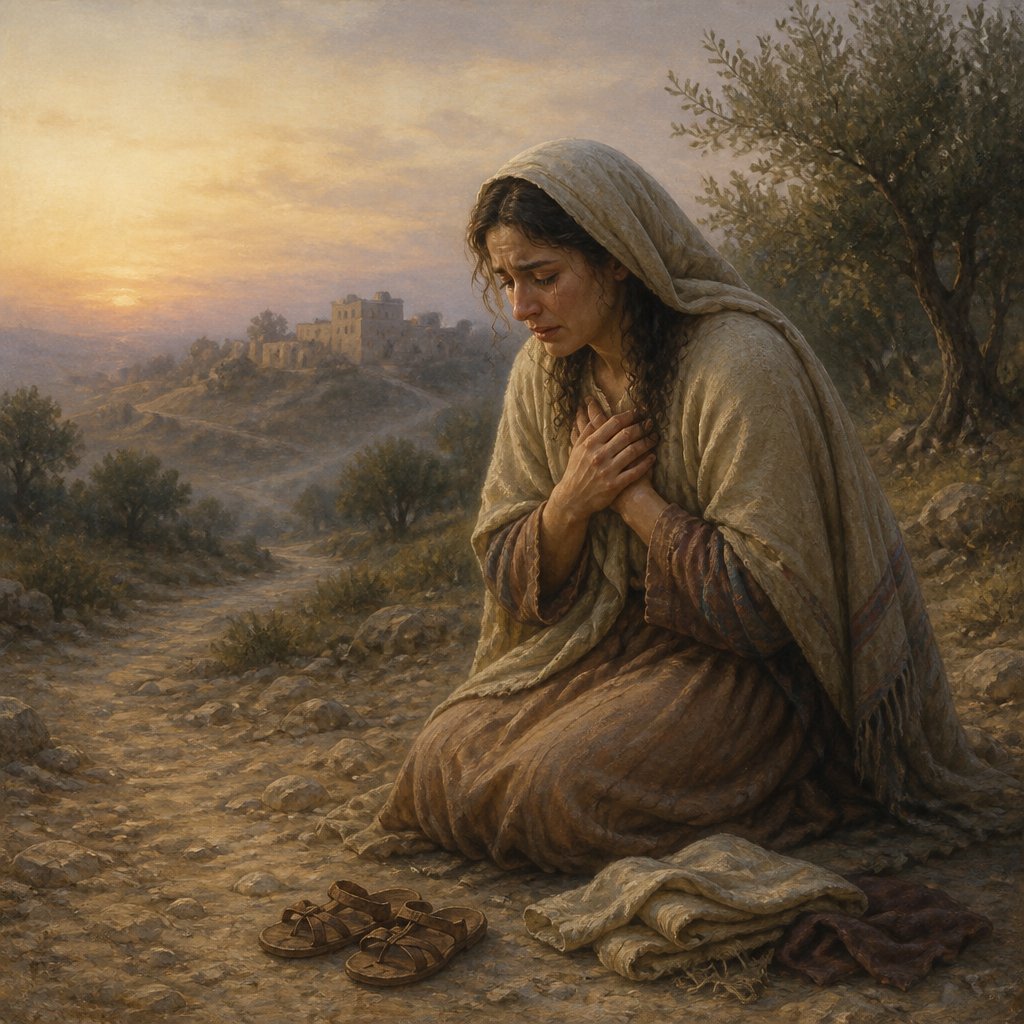
Jeremiah 31:15 (KJV) says, "Thus saith the Lord; A voice was heard in Ramah, lamentation, and bitter weeping; Rahel weeping for her children refused to be comforted for her children, because they were not."
This verse comes from the book of Jeremiah in the Old Testament. In this passage, the prophet Jeremiah is conveying a message from God to the people of Israel, addressing the pain and suffering they are experiencing. The verse begins with "Thus saith the Lord," which indicates that these are not Jeremiah's words, but a direct message from God himself.
The setting of this verse is in Ramah, a town located in the territory of the tribe of Benjamin, near Jerusalem. It was the place where the Israelites were gathered before being led away into captivity by the Babylonians. The phrase "a voice was heard in Ramah" suggests that there was a great outcry or wailing coming from this town. The lamentation and bitter weeping provide a vivid description of the intense sorrow and anguish that the people were feeling.
The reference to Rahel, or Rachel, is significant because she was a matriarch of the Israelite people. She was the wife of Jacob and the mother of Joseph and Benjamin, two prominent figures in the history of Israel. The mention of Rahel weeping for her children evokes a deep sense of maternal grief and loss. This imagery would have resonated deeply with the Israelites, as they were witnessing the devastation and destruction of their families and communities.
The verse concludes with the heartbreaking statement that Rahel refused to be comforted for her children because they were not. This poignant line encapsulates the overwhelming sense of despair and hopelessness that the Israelites were experiencing. Despite their deep longing for comfort and solace, they found themselves unable to find any relief in the midst of their suffering.
From a thematic perspective, Jeremiah 31:15 reflects the themes of lamentation, grief, and the suffering of the innocent. It is a powerful portrayal of the immense pain that can accompany the loss of loved ones and the trauma of displacement and exile. The verse captures the raw emotions of those who are enduring profound hardship and emphasizes the deep human need for compassion and consolation in the face of tragedy.
The context of this verse is crucial for understanding its significance. At the time of Jeremiah's prophetic ministry, the kingdom of Judah was facing the imminent threat of invasion and conquest by the Babylonian empire. The people were living in a state of upheaval, uncertainty, and fear as they grappled with the prospect of being uprooted from their homeland and taken into captivity. Against this backdrop of turmoil and distress, Jeremiah was called upon to deliver a message of warning and consolation to the people.
In a broader sense, this verse can also be seen as a reflection of the universal human experience of suffering and loss. It speaks to the enduring relevance of themes such as grief, mourning, and the quest for healing in the face of adversity. The raw, emotional language used in this passage resonates with people across different cultures and time periods, offering a poignant reminder of the shared human experience of pain and sorrow.
Symbolically, the weeping and lamentation in Ramah can be seen as a representation of the collective anguish and mourning of the Israelite people. It serves as a vivid illustration of the profound devastation wrought by war and displacement, as well as the enduring impact of trauma on individuals and communities. The figure of Rahel weeping for her children carries a deep symbolic weight, evoking themes of maternal sorrow and profound loss that resonate on a universal level.
In conclusion, Jeremiah 31:15 is a poignant and evocative verse that captures the depth of human suffering and the longing for consolation in the face of overwhelming adversity. Its themes of lamentation, grief, and the enduring need for comfort speak to the universal human experience of pain and loss. In its historical context, this verse serves as a poignant reflection of the turmoil and devastation experienced by the Israelite people in the face of invasion and exile. From a broader perspective, it offers a timeless reminder of the resilience of the human spirit in the face of tragedy and the enduring need for compassion and healing.
Have questions about Jeremiah 31:15?
Dive deeper into this scripture with Bible Chat — an AI-powered tool for exploring God's Word through conversation. Ask questions, get context, and grow in your understanding of the Bible.
Get Our Apps


Jeremiah 31:15 Artwork

Jeremiah 31:15 - "¶ Thus saith the LORD; A voice was heard in Ramah, lamentation, and bitter weeping; Rahel weeping for her children refused to be comforted for her children, because they were not."
"¶ Thus saith the LORD; A voice was heard in Ramah, lamentation, and bitter weeping; Rahel weeping for her children refused to be comforted for her children, because they were not." - Jeremiah 31:15

Hosea 3:1-5

Jeremiah 31:31-33

Jeremiah 31:31-33

Jeremiah 31:31 - "¶ Behold, the days come, saith the LORD, that I will make a new covenant with the house of Israel, and with the house of Judah:"

Joshua 15:31 - "And Ziklag, and Madmannah, and Sansannah,"

Jeremiah 31:25 put bible verse on it

numbers 31:14-15

Jeremiah 31:26 - "Upon this I awaked, and beheld; and my sleep was sweet unto me."

Acts 15:31 - "Which when they had read, they rejoiced for the consolation."
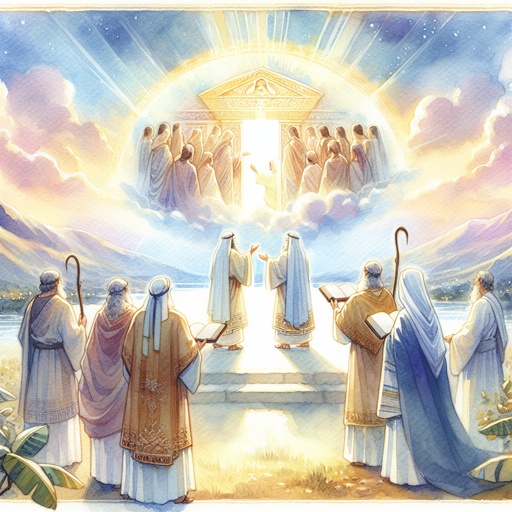
Jeremiah 31:31 "Behold, the days are coming, says the Lord, when I will make a new covenant with the house of Israel and with the house of Judah--

Jeremiah 31:31 "Behold, the days are coming, says the Lord, when I will make a new covenant with the house of Israel and with the house of Judah--

Proverbs 15:31 - "The ear that heareth the reproof of life abideth among the wise."

Jeremiah 31:25 - "For I have satiated the weary soul, and I have replenished every sorrowful soul."

Jeremiah 31:1 - "At the same time, saith the LORD, will I be the God of all the families of Israel, and they shall be my people."

"And Ziklag, and Madmannah, and Sansannah," - Joshua 15:31

Jeremiah 23:31 - "Behold, I am against the prophets, saith the LORD, that use their tongues, and say, He saith."

Jeremiah 31:24 - "And there shall dwell in Judah itself, and in all the cities thereof together, husbandmen, and they that go forth with flocks."

Jeremiah 31:11 - "For the LORD hath redeemed Jacob, and ransomed him from the hand of him that was stronger than he."

Jeremiah 31:17 - "And there is hope in thine end, saith the LORD, that thy children shall come again to their own border."

Job 15:31 - "Let not him that is deceived trust in vanity: for vanity shall be his recompence."

Jeremiah 31:14 - "And I will satiate the soul of the priests with fatness, and my people shall be satisfied with my goodness, saith the LORD."

Jeremiah 39:15 - "¶ Now the word of the LORD came unto Jeremiah, while he was shut up in the court of the prison, saying,"

Jeremiah 31:29 - "In those days they shall say no more, The fathers have eaten a sour grape, and the children's teeth are set on edge."
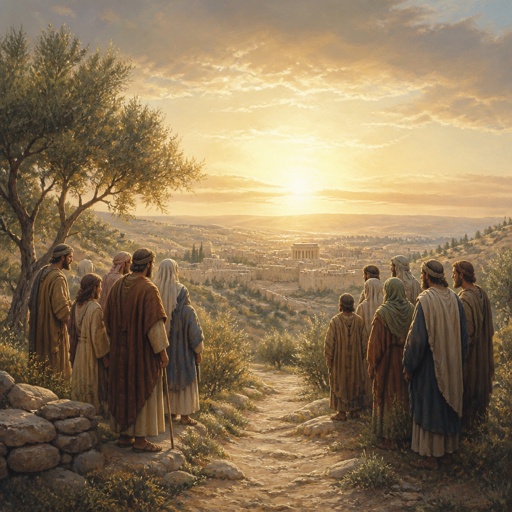
"¶ Behold, the days come, saith the LORD, that I will make a new covenant with the house of Israel, and with the house of Judah:" - Jeremiah 31:31

Numbers 31:15 - "And Moses said unto them, Have ye saved all the women alive?"

1 Samuel 15:31 - "So Samuel turned again after Saul; and Saul worshipped the LORD."

Jeremiah 31:39 - "And the measuring line shall yet go forth over against it upon the hill Gareb, and shall compass about to Goath."

Jeremiah 31:27 - "¶ Behold, the days come, saith the LORD, that I will sow the house of Israel and the house of Judah with the seed of man, and with the seed of beast."