What does Jeremiah 28:17 mean?
"So Hananiah the prophet died the same year in the seventh month." - Jeremiah 28:17
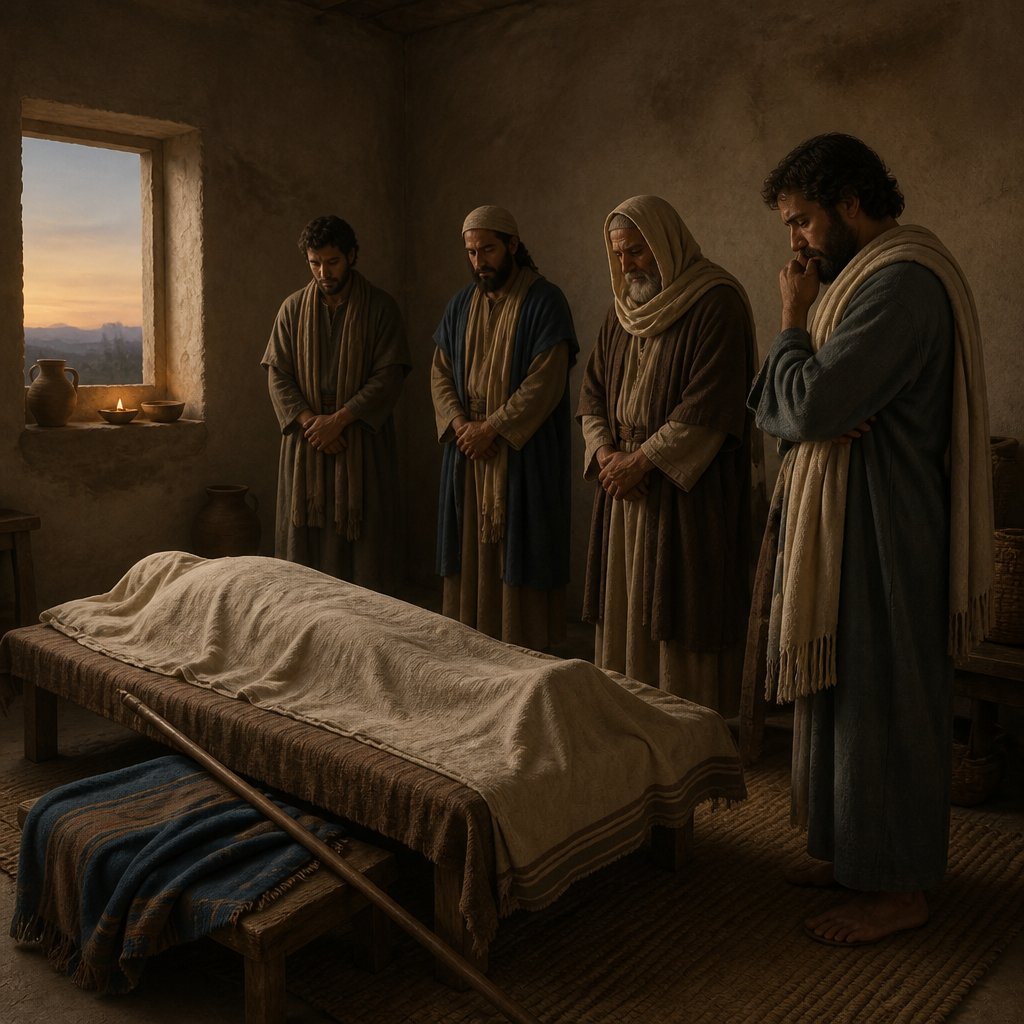
The verse Jeremiah 28:17 from the King James Version of the Bible reads as follows: "So Hananiah the prophet died the same year in the seventh month." This verse refers to the fate of Hananiah, a false prophet who spoke in opposition to the true prophet Jeremiah, and the consequences of his actions.
To fully understand the significance of this verse, it is important to first consider the context in which it was written. Jeremiah was a prophet living in Judah during a tumultuous time in its history. The people of Judah were facing the threat of invasion from the Babylonians due to their disobedience and idolatry. In the midst of this, false prophets like Hananiah were arising and prophesying peace and safety, contrary to the warnings of Jeremiah, who spoke the truth about the impending destruction and exile.
In Jeremiah 28, Hananiah boldly challenges Jeremiah's prophecy by claiming that God would break the yoke of the king of Babylon within two years. Hananiah even went so far as to take the yoke off Jeremiah's neck and break it, symbolizing the supposed freedom that Judah would experience. However, God responds to Hananiah's false prophecy by declaring that he would die within the year, and true to God's word, Hananiah dies in the seventh month of that same year.
The themes present in this verse include the consequences of false prophecy and the importance of discerning the true word of God. Hananiah serves as an example of a false prophet who led the people astray with his lies and deception. His death serves as a reminder of the severity of falsely claiming to speak for God and the consequences that come with misleading God's people.
The symbolism within this verse is also significant. The breaking of the yoke by Hananiah was a symbolic act of rebellion and defiance against the authority and will of God. This act not only demonstrated Hananiah's arrogance and disobedience but also represented the people's refusal to accept the reality of their situation and the consequences of their actions. In contrast, the yoke was a symbol of submission and obedience to God's will, as Jeremiah wore it in obedience to God's command.
Ultimately, this verse serves as a warning to those who would speak falsely in the name of God and lead others astray. It emphasizes the importance of discerning the truth and following the true word of God rather than being swayed by false prophets or teachings. The consequences of Hananiah's false prophecy serve as a sobering reminder of the severity of misleading God's people and the judgment that comes with such actions.
In conclusion, Jeremiah 28:17 from the King James Version of the Bible highlights the consequences of false prophecy and the importance of discerning the true word of God. It serves as a cautionary tale and a reminder of the severity of misleading God's people. The symbolism and themes present in this verse add depth and richness to its message, making it a powerful and impactful passage for believers to reflect on.
Have questions about Jeremiah 28:17?
Dive deeper into this scripture with Bible Chat — an AI-powered tool for exploring God's Word through conversation. Ask questions, get context, and grow in your understanding of the Bible.
Get Our Apps


Jeremiah 28:17 Artwork

Jeremiah 28:17 - "So Hananiah the prophet died the same year in the seventh month."
"So Hananiah the prophet died the same year in the seventh month." - Jeremiah 28:17

Genesis 28-17

Jeremiah 28:12 - "Then the word of the LORD came unto Jeremiah the prophet, after that Hananiah the prophet had broken the yoke from off the neck of the prophet Jeremiah, saying,"

Jeremiah 38:28 - "So Jeremiah abode in the court of the prison until the day that Jerusalem was taken: and he was there when Jerusalem was taken."

Jeremiah 28:5 - "Then the prophet Jeremiah said unto the prophet Hananiah in the presence of the priests, and in the presence of all the people that stood in the house of the LORD,"

Proverbs 17:27-28

Proverbs 17:27-28

Proverbs 17:27-28

Jeremiah 17:17 - "Be not a terror unto me: thou art my hope in the day of evil."

Jeremiah 28:10 - "Then Hananiah the prophet took the yoke from off the prophet Jeremiah's neck, and brake it."

Jeremiah 28:15 - "Then said the prophet Jeremiah unto Hananiah the prophet, Hear now, Hananiah; The LORD hath not sent thee; but thou makest this people to trust in a lie."

Deuteronomy 28:17 - "Cursed shall be thy basket and thy store."

Jeremiah 17:7-8

Jeremiah 6:28 - "They are all grievous revolters, walking with slanders: they are brass and iron; they are all corrupters."

Jeremiah 17:7-8

Jeremiah 17:7-8

Jeremiah 17:7-8

Matthew 28:17 - "And when they saw him, they worshipped him: but some doubted."

Job 28:17 - "The gold and the crystal cannot equal it: and the exchange of it shall not be for jewels of fine gold."

Jeremiah 52:28-30 - "Jeremiah 52:28-30: 28 This is the people whom Nebuchadrezzar carried away captive: in the seventh year three thousand Jews and three and twenty: 29 In the eighteenth year of Nebuchadrezzar he carried away captive from Jerusalem eight hundred thirty and two persons: 30 In the three and twentieth year of Nebuchadrezzar Nebuzaradan the captain of the guard carried away captive of the Jews seven hundred forty and five persons: all the persons were four thousand and six hundred."

Jeremiah 28:7 - "Nevertheless hear thou now this word that I speak in thine ears, and in the ears of all the people;"

Numbers 28:17 - "And in the fifteenth day of this month is the feast: seven days shall unleavened bread be eaten."

2 Chronicles 28:17 - "For again the Edomites had come and smitten Judah, and carried away captives."

Jeremiah 28:2 - "Thus speaketh the LORD of hosts, the God of Israel, saying, I have broken the yoke of the king of Babylon."

Jeremiah 52:28 - "This is the people whom Nebuchadrezzar carried away captive: in the seventh year three thousand Jews and three and twenty:"

Jeremiah 7:17 - "¶ Seest thou not what they do in the cities of Judah and in the streets of Jerusalem?"

Jeremiah 17:12 - "¶ A glorious high throne from the beginning is the place of our sanctuary."

Jeremiah 17:7 - "Blessed is the man that trusteth in the LORD, and whose hope the LORD is."

Luke 17:28 - "Likewise also as it was in the days of Lot; they did eat, they drank, they bought, they sold, they planted, they builded;"