What does Jeremiah 23:29 mean?
"Is not my word like as a fire? saith the LORD; and like a hammer that breaketh the rock in pieces?" - Jeremiah 23:29
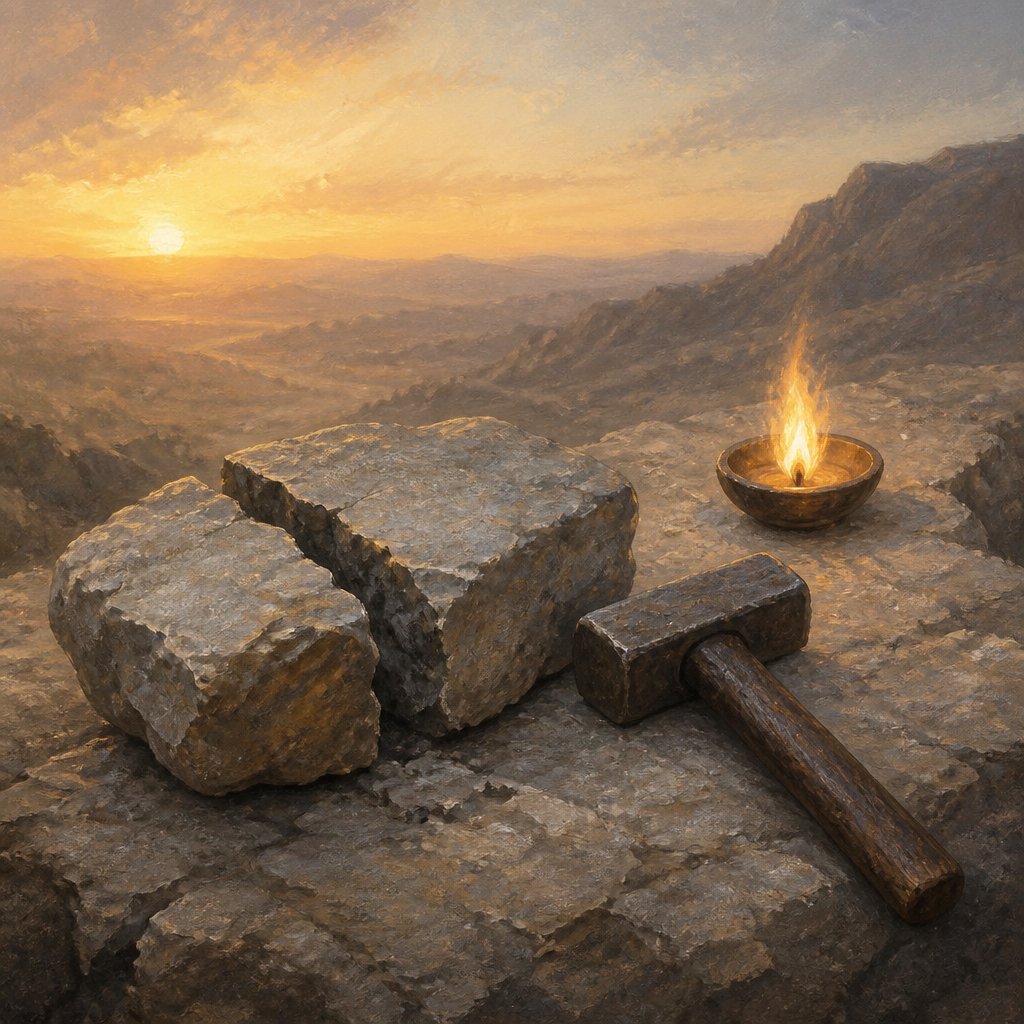
The Bible verse Jeremiah 23:29 from the King James Version (KJV) reads: "Is not my word like as a fire? saith the Lord; and like a hammer that breaketh the rock in pieces?"
This verse comes from a passage in which the Lord is speaking through the prophet Jeremiah to address the false prophets of Israel. In this particular verse, the Lord is comparing His word to a fire and a hammer, emphasizing the power and effectiveness of His message.
The use of fire as a metaphor for God's word is a powerful and evocative image. Fire has long been associated with purification and destruction in the Bible. In this context, it represents the refining and purifying nature of God's truth. Just as fire consumes impurities and leaves behind only what is true and genuine, so too does God's word reveal the truth and burn away falsehood.
The parallel comparison to a hammer that breaks a rock in pieces also conveys the force and impact of God's word. A hammer is a tool of strength and power, able to shatter even the hardest of substances. In the same way, God's word has the ability to break through the hardest of hearts and the most stubborn of barriers, shattering falsehoods and misconceptions.
In essence, this verse is a reminder of the authority and potency of God's word. It is not simply a collection of words and stories, but a force to be reckoned with. It has the power to transform lives, bring down strongholds, and conquer all that stands in its way.
This verse also serves as a warning to those who would distort or ignore God's word. The false prophets of Israel in Jeremiah's time were guilty of speaking lies and leading the people astray. By comparing His word to fire and a hammer, God is underscoring the consequences of manipulating or disregarding His truth. Just as fire consumes and a hammer breaks, so too will God's word expose and destroy falsehood and deceit.
The theme of truth versus falsehood is central to this verse. Throughout the Bible, God's word is upheld as the ultimate standard of truth. In a world filled with lies and deception, it stands as an unyielding beacon of light and clarity. God's word is described as a fire and a hammer precisely because it has the power to dispel darkness and smash through the barriers of falsehood.
Another important theme in this verse is that of transformation and change. The imagery of fire and a hammer conveys the idea of radical and profound alteration. God's word has the ability to purify and refine, to break down and rebuild. It is a force of renewal and regeneration, capable of transforming individuals and entire nations.
Contextually, this verse is part of a larger passage in which God is rebuking the false prophets of Israel. Throughout the book of Jeremiah, the prophet confronts the religious leaders who have led the people astray and spoken lies in the name of God. The overarching message is one of accountability and the consequences of false teachings. This verse serves as a stark reminder of the power and authority of God's word, and the responsibility that comes with proclaiming it.
Lastly, the symbolism of fire and a hammer in this verse can be seen as a foreshadowing of Christ's ministry. In the New Testament, Jesus is described as the Word made flesh (John 1:14). He is the embodiment of God's truth and the ultimate expression of His power. Just as God's word is likened to a fire and a hammer in Jeremiah 23:29, so too is Jesus portrayed as a transformative force, bringing both judgment and redemption.
In conclusion, Jeremiah 23:29 from the King James Version of the Bible is a potent and compelling depiction of the power and authority of God's word. Through the use of vivid imagery and metaphor, the verse conveys the ability of God's truth to purify, transform, and conquer. It serves as a warning against falsehood and a reminder of the transformative impact of God's word. This verse provides a strong foundation for understanding the nature of God's truth and its significance in the lives of believers.
Have questions about Jeremiah 23:29?
Dive deeper into this scripture with Bible Chat — an AI-powered tool for exploring God's Word through conversation. Ask questions, get context, and grow in your understanding of the Bible.
Get Our Apps


Jeremiah 23:29 Artwork

Jeremiah 23:29 - "Is not my word like as a fire? saith the LORD; and like a hammer that breaketh the rock in pieces?"
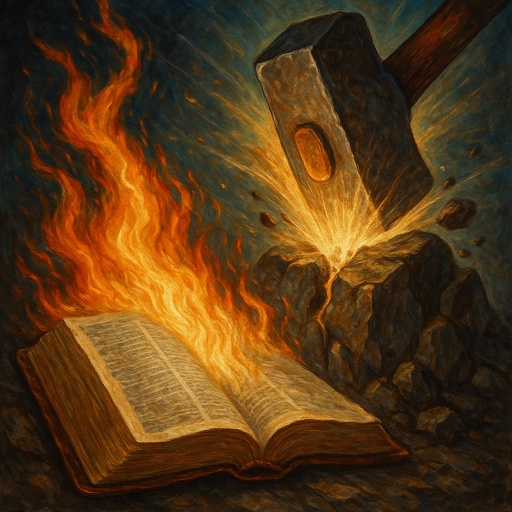
"Is not my word like as a fire? saith the LORD; and like a hammer that breaketh the rock in pieces?" - Jeremiah 23:29
"Is not my word like as a fire? saith the LORD; and like a hammer that breaketh the rock in pieces?" - Jeremiah 23:29

Jeremiah 29:29 - "And Zephaniah the priest read this letter in the ears of Jeremiah the prophet."

Jeremiah 29:23 - "Because they have committed villany in Israel, and have committed adultery with their neighbours' wives, and have spoken lying words in my name, which I have not commanded them; even I know, and am a witness, saith the LORD."
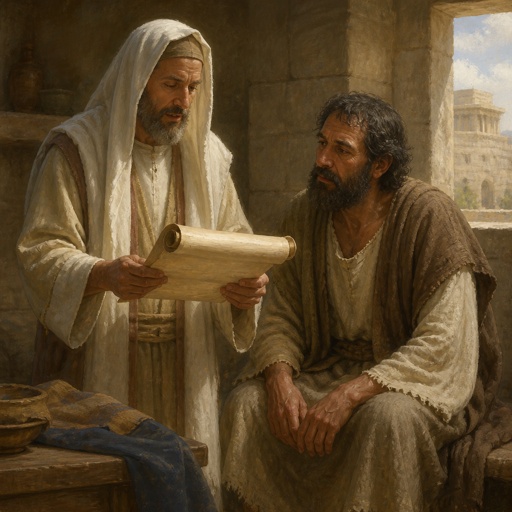
"And Zephaniah the priest read this letter in the ears of Jeremiah the prophet." - Jeremiah 29:29

Jeremiah 29:30 - "¶ Then came the word of the LORD unto Jeremiah, saying,"

Jeremiah 29:11-13

Jeremiah 29:11-13

Jeremiah 29:11-13

Jeremiah 29:11-13

Jeremiah 29:11

Jeremiah 29:11

Jeremiah 29:11

Jeremiah 29:11

Jeremiah 29: 4-14

Jeremiah 29: 4-14

Jeremiah 33:23 - "Moreover the word of the LORD came to Jeremiah, saying,"

John 14:23-29

Jeremiah 29: 4-14

Jeremiah 29: 4-14

Jeremiah 29: 4-14

John 14:23-29

John 14:23-29

Exodus 23:28-29

Jeremiah 29:27 - "Now therefore why hast thou not reproved Jeremiah of Anathoth, which maketh himself a prophet to you?"

"¶ Then came the word of the LORD unto Jeremiah, saying," - Jeremiah 29:30

Jeremiah 29:11 sticker elements

Jeremiah 23:23 - "Am I a God at hand, saith the LORD, and not a God afar off?"

Jeremiah 13:23