What does Jeremiah 1:9 mean?
"Then the LORD put forth his hand, and touched my mouth. And the LORD said unto me, Behold, I have put my words in thy mouth." - Jeremiah 1:9
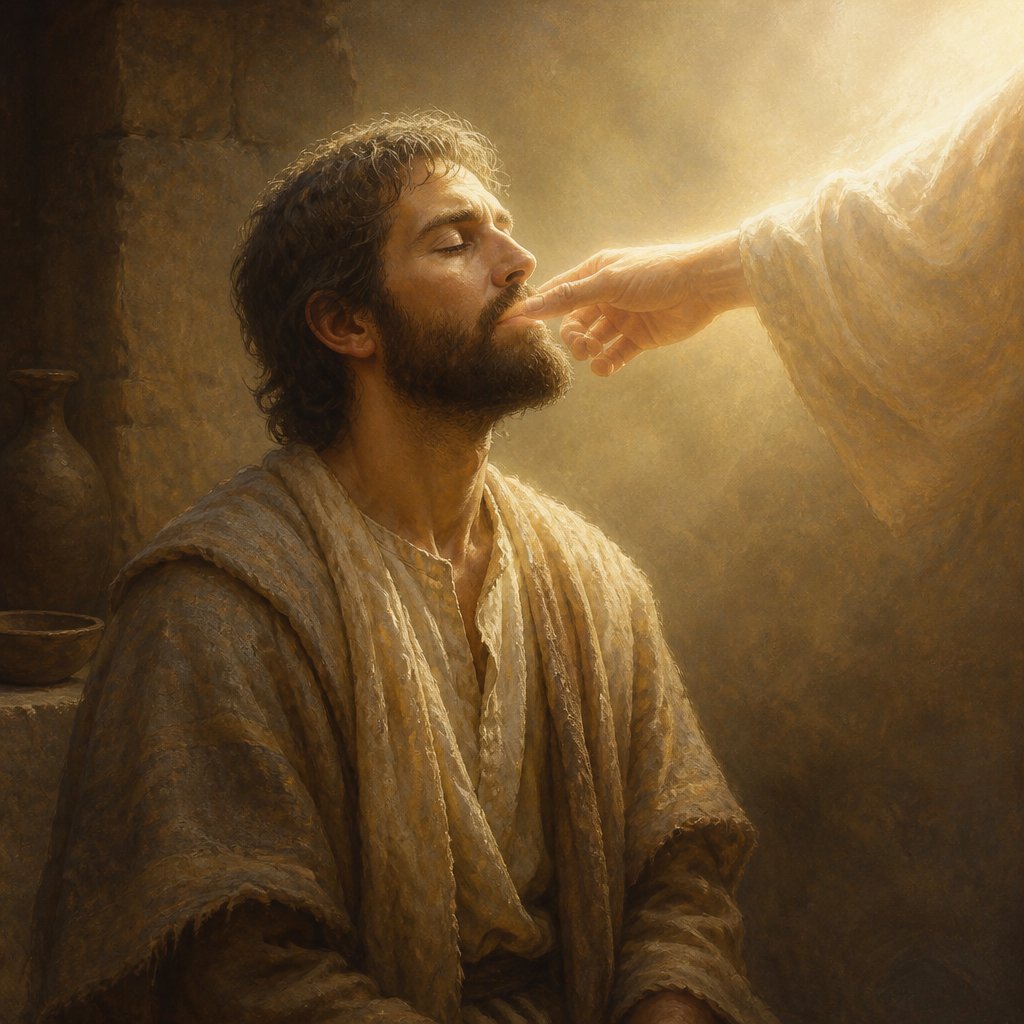
Jeremiah 1:9 (KJV) says, "Then the Lord put forth his hand, and touched my mouth. And the Lord said unto me, Behold, I have put my words in thy mouth." This verse is part of a dialogue between the prophet Jeremiah and God, during which God is commissioning Jeremiah to be his mouthpiece and messenger to the people of Judah. By examining the context, themes, and symbolism of this verse, we can gain a deeper understanding of its meaning and significance.
The book of Jeremiah is traditionally attributed to the prophet Jeremiah, who lived in the 7th and 6th centuries BCE. The book is a collection of his prophecies, warnings, and lamentations, primarily directed towards the people of Judah and Jerusalem. The overarching theme of the book is the impending judgment and destruction of Judah due to the nation's idolatry, immorality, and abandonment of God's covenant. Jeremiah is called to proclaim these messages to the people, despite their resistance and rejection of his words.
In the context of Jeremiah 1:9, God is calling Jeremiah to his prophetic ministry. Earlier in the chapter, Jeremiah expresses doubt and inadequacy about his ability to speak as a prophet. However, God reassures him by declaring that he has appointed him for this purpose since before he was born. In verse 9, God physically touches Jeremiah's mouth, symbolizing the empowerment and authorization of his words. It signifies the divine authority and inspiration behind Jeremiah's prophetic messages.
The imagery of God putting his words in Jeremiah's mouth is significant. It indicates that Jeremiah's words are not his own, but rather originate from God himself. This concept is echoed throughout the Bible, particularly in the prophetic literature, where the prophets are considered as speaking on behalf of God. Jeremiah's role as a mouthpiece for God emphasizes the divine origin and authority of his message, and the responsibility he carries to faithfully convey God's words to the people.
The symbolic gesture of God touching Jeremiah's mouth also highlights the transformative impact of divine calling and empowerment. By touching his mouth, God is consecrating Jeremiah for his prophetic mission and infusing him with the ability to speak with authority, clarity, and conviction. This act signifies the divine enablement and guidance that Jeremiah will receive as he fulfills his calling. It emphasizes the partnership between God and his chosen messenger, where God equips and directs Jeremiah to fulfill his purpose.
In a broader theological context, Jeremiah 1:9 reflects the biblical theme of divine commissioning and vocation. Throughout the Bible, we see various individuals being called by God for specific tasks and ministries, accompanied by divine empowerment and provision. This verse illustrates the sovereignty of God in calling and equipping his servants, and the importance of obedience and faithfulness in responding to his call.
Furthermore, Jeremiah 1:9 foreshadows the role of Jesus Christ as the ultimate Word of God. In the New Testament, Jesus is described as the Word made flesh (John 1:14), representing the complete embodiment and fulfillment of God's message to humanity. As the ultimate prophet and mediator between God and humanity, Jesus perfectly embodies the divine authority and truth expressed in Jeremiah's prophetic ministry.
In conclusion, Jeremiah 1:9 captures the powerful moment of Jeremiah's divine commissioning as a prophet. It symbolizes the divine empowerment, authority, and calling that Jeremiah receives from God. The verse also reflects broader biblical themes of divine commissioning, vocation, and the ultimate Word of God. As readers, we are reminded of the profound impact of God's touch and the responsibility we carry as vessels of his message. The verse invites us to consider our own calling and the ways in which God equips and empowers us to fulfill his purposes.
Have questions about Jeremiah 1:9?
Dive deeper into this scripture with Bible Chat — an AI-powered tool for exploring God's Word through conversation. Ask questions, get context, and grow in your understanding of the Bible.
Get Our Apps


Jeremiah 1:9 Artwork

Jeremiah 1:9 - "Then the LORD put forth his hand, and touched my mouth. And the LORD said unto me, Behold, I have put my words in thy mouth."
"Then the LORD put forth his hand, and touched my mouth. And the LORD said unto me, Behold, I have put my words in thy mouth." - Jeremiah 1:9

Jeremiah 9:1 - "Oh that my head were waters, and mine eyes a fountain of tears, that I might weep day and night for the slain of the daughter of my people!"

Jeremiah 9:9 - "¶ Shall I not visit them for these things? saith the LORD: shall not my soul be avenged on such a nation as this?"

Jeremiah 1:1 - "The words of Jeremiah the son of Hilkiah, of the priests that were in Anathoth in the land of Benjamin:"

Jeremiah 38:9 (KJVA) 9 My lord the king, these men have done evil in all that they have done to Jeremiah the prophet, whom they have cast into the dungeon; and he is like to die for hunger in the place where he is: for there is no more bread in the city.

Jeremiah 38:9 (KJVA) 9 My lord the king, these men have done evil in all that they have done to Jeremiah the prophet, whom they have cast into the dungeon; and he is like to die for hunger in the place where he is: for there is no more bread in the city.

Jeremiah 17:9 - "¶ The heart is deceitful above all things, and desperately wicked: who can know it?"

Jeremiah 14:1 - "The word of the LORD that came to Jeremiah concerning the dearth."

Jeremiah 30:1 - "The word that came to Jeremiah from the LORD, saying,"

Jeremiah 17:9 (KJVA) 9 The heart is deceitful above all things, and desperately wicked: who can know it?

Jeremiah 17:9 (KJVA) 9 The heart is deceitful above all things, and desperately wicked: who can know it?

Jeremiah 11:1 - "The word that came to Jeremiah from the LORD, saying,"

Jeremiah 7:1 - "The word that came to Jeremiah from the LORD, saying,"

Jeremiah 18:9 - "And at what instant I shall speak concerning a nation, and concerning a kingdom, to build and to plant it;"

Jeremiah 26:9 - "Why hast thou prophesied in the name of the LORD, saying, This house shall be like Shiloh, and this city shall be desolate without an inhabitant? And all the people were gathered against Jeremiah in the house of the LORD."

Jeremiah 18:1 - "The word which came to Jeremiah from the LORD, saying,"

Jeremiah 9:6 - "Thine habitation is in the midst of deceit; through deceit they refuse to know me, saith the LORD."

Jeremiah 5:9 - "Shall I not visit for these things? saith the LORD: and shall not my soul be avenged on such a nation as this?"

Jeremiah 46:1 - "The word of the LORD which came to Jeremiah the prophet against the Gentiles;"

Jeremiah 9:14 - "But have walked after the imagination of their own heart, and after Baalim, which their fathers taught them:"

Jeremiah 30:9 - "But they shall serve the LORD their God, and David their king, whom I will raise up unto them."

Jeremiah 2:9 - "¶ Wherefore I will yet plead with you, saith the LORD, and with your children's children will I plead."

Jeremiah 11:9 - "And the LORD said unto me, A conspiracy is found among the men of Judah, and among the inhabitants of Jerusalem."

Jeremiah 9:25 - "¶ Behold, the days come, saith the LORD, that I will punish all them which are circumcised with the uncircumcised;"

Jeremiah 38:9 - "My lord the king, these men have done evil in all that they have done to Jeremiah the prophet, whom they have cast into the dungeon; and he is like to die for hunger in the place where he is: for there is no more bread in the city."

Jeremiah 13:9 - "Thus saith the LORD, After this manner will I mar the pride of Judah, and the great pride of Jerusalem."

Jeremiah 29:9 - "For they prophesy falsely unto you in my name: I have not sent them, saith the LORD."

Jeremiah 1: 1-10

Jeremiah 35:9 - "Nor to build houses for us to dwell in: neither have we vineyard, nor field, nor seed:"