What does Jeremiah 17:26 mean?
"And they shall come from the cities of Judah, and from the places about Jerusalem, and from the land of Benjamin, and from the plain, and from the mountains, and from the south, bringing burnt offerings, and sacrifices, and meat offerings, and incense, and bringing sacrifices of praise, unto the house of the LORD." - Jeremiah 17:26
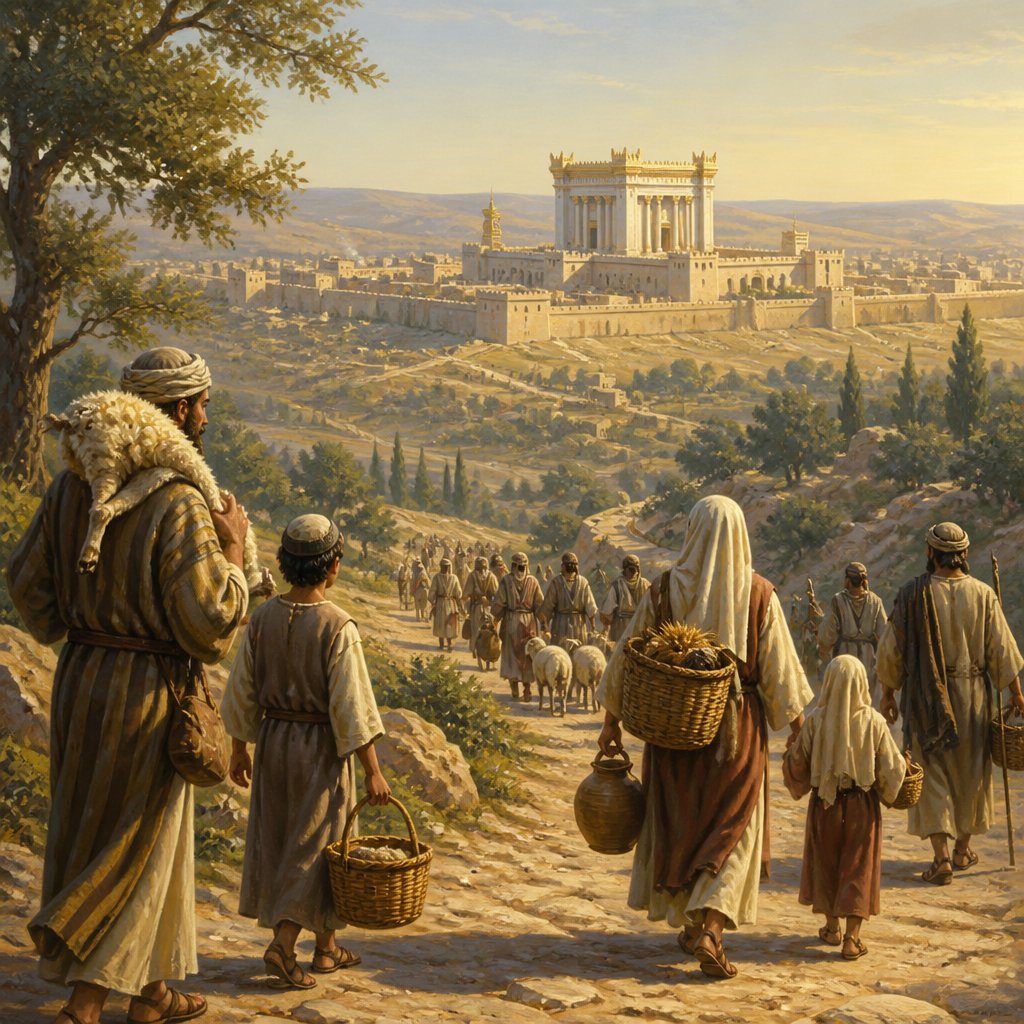
Jeremiah 17:26 (KJV) says, "And they shall come from the cities of Judah, and from the places about Jerusalem, and from the land of Benjamin, and from the plain, and from the mountains, and from the south, bringing burnt offerings, and sacrifices, and meat offerings, and incense, and bringing sacrifices of praise, unto the house of the Lord."
In order to understand the full meaning of this verse, it is important to consider its context within the book of Jeremiah and the wider historical and cultural context of the Israelites. The book of Jeremiah was written during a tumultuous time in Israel's history, as the kingdom of Judah faced the looming threat of invasion and exile by the Babylonian empire. Jeremiah, as a prophet, was tasked with delivering messages of warning and condemnation to the people of Judah, urging them to repent and turn back to God in order to avert disaster.
This particular verse comes towards the end of a section in which God calls on the people of Judah to observe the Sabbath and keep it holy. In this context, the verse is describing a future time when the people of Judah will return to Jerusalem and its surrounding cities, bringing offerings and sacrifices to the house of the Lord. This is a vision of restoration and renewal, a promise of reconciliation between the people of Judah and their God.
The detailed list of offerings mentioned in the verse - burnt offerings, sacrifices, meat offerings, incense, and sacrifices of praise - signifies a return to the fullness of worship and devotion to God. In the Old Testament, these offerings held great symbolic and spiritual significance, representing the people's desire to seek forgiveness, express gratitude, and seek a closer relationship with God.
The imagery of people coming from all corners of the land - cities of Judah, places about Jerusalem, the land of Benjamin, the plain, the mountains, and the south - conveys the widespread and inclusive nature of this future worship. It symbolizes a united and collective return to God, regardless of social status, geographic location, or background.
Furthermore, the act of bringing sacrifices of praise is significant, as it reflects a genuine and heartfelt response to the grace and mercy of God. It represents a shift from ritualistic and obligatory worship to a more sincere and whole-hearted expression of faith and gratitude. This theme of genuine worship and devotion is echoed throughout the Bible, particularly in the Psalms and the teachings of the prophets.
The fulfillment of this vision of restoration and renewal is deeply connected to the broader themes of redemption, forgiveness, and God's faithfulness. Despite the impending judgment and exile, God is offering the people of Judah a pathway to reconciliation and restoration. This verse serves as a beacon of hope and a reminder of God's unfailing love and desire for reconciliation with His people.
In a broader theological sense, this verse also points to the ultimate fulfillment of God's promises through Jesus Christ. In the New Testament, Jesus is depicted as the ultimate sacrifice, offering himself as atonement for the sins of humanity. The burnt offerings and sacrifices mentioned in Jeremiah 17:26 find their ultimate fulfillment and completion in the sacrificial death and resurrection of Jesus Christ. This verse, therefore, foreshadows the redemptive work of Christ and the universal offer of reconciliation and restoration through Him.
In conclusion, Jeremiah 17:26 (KJV) offers a powerful vision of restoration, reconciliation, and genuine worship. It reflects the enduring themes of God's faithfulness, grace, and desire for a deep and meaningful relationship with His people. The detailed imagery and symbolism in this verse convey a profound message of hope and redemption, ultimately pointing to the fulfillment of these promises through Jesus Christ.
Have questions about Jeremiah 17:26?
Dive deeper into this scripture with Bible Chat — an AI-powered tool for exploring God's Word through conversation. Ask questions, get context, and grow in your understanding of the Bible.
Get Our Apps


Jeremiah 17:26 Artwork

Jeremiah 17:26 - "And they shall come from the cities of Judah, and from the places about Jerusalem, and from the land of Benjamin, and from the plain, and from the mountains, and from the south, bringing burnt offerings, and sacrifices, and meat offerings, and incense, and bringing sacrifices of praise, unto the house of the LORD."
"And they shall come from the cities of Judah, and from the places about Jerusalem, and from the land of Benjamin, and from the plain, and from the mountains, and from the south, bringing burnt offerings, and sacrifices, and meat offerings, and incense, and bringing sacrifices of praise, unto the house of the LORD." - Jeremiah 17:26

Jeremiah 26:17 - "Then rose up certain of the elders of the land, and spake to all the assembly of the people, saying,"
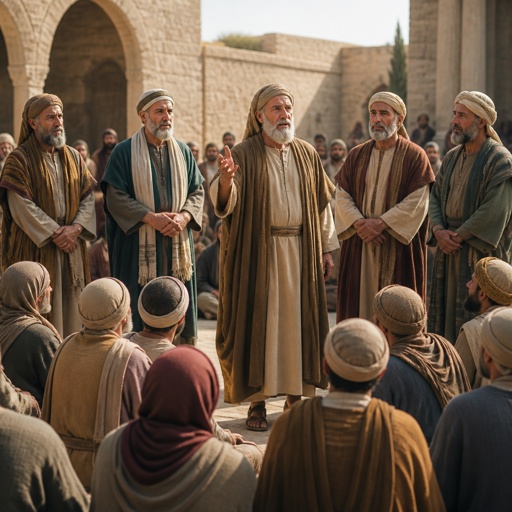
"Then rose up certain of the elders of the land, and spake to all the assembly of the people, saying," - Jeremiah 26:17

Jeremiah 32:26 - "¶ Then came the word of the LORD unto Jeremiah, saying,"

Jeremiah 26:7 - "So the priests and the prophets and all the people heard Jeremiah speaking these words in the house of the LORD."

Genesis 17-26

Jeremiah 26:24 - "Nevertheless the hand of Ahikam the son of Shaphan was with Jeremiah, that they should not give him into the hand of the people to put him to death."

Jeremiah 17:17 - "Be not a terror unto me: thou art my hope in the day of evil."

"¶ Then came the word of the LORD unto Jeremiah, saying," - Jeremiah 32:26

Hechos 5, 17-26

Luke 5:17-26

Jeremiah 17:7-8

Numbers 26:17 - "Of Arod, the family of the Arodites: of Areli, the family of the Arelites."

Jeremiah 36:26 - "But the king commanded Jerahmeel the son of Hammelech, and Seraiah the son of Azriel, and Shelemiah the son of Abdeel, to take Baruch the scribe and Jeremiah the prophet: but the LORD hid them."

Jeremiah 17:7-8

Jeremiah 17:7-8

Jeremiah 17:7-8

2 Samuel 17:26 - "So Israel and Absalom pitched in the land of Gilead."

Jeremiah 26:20 - "And there was also a man that prophesied in the name of the LORD, Urijah the son of Shemaiah of Kirjath-jearim, who prophesied against this city and against this land according to all the words of Jeremiah:"

Jeremiah 31:26 - "Upon this I awaked, and beheld; and my sleep was sweet unto me."

Jeremiah 26:12 - "¶ Then spake Jeremiah unto all the princes and to all the people, saying, The LORD sent me to prophesy against this house and against this city all the words that ye have heard."

Genesis 17:26 - "In the selfsame day was Abraham circumcised, and Ishmael his son."

Luke 17:26 - "And as it was in the days of Noe, so shall it be also in the days of the Son of man."

Jeremiah 26:6 - "Then will I make this house like Shiloh, and will make this city a curse to all the nations of the earth."

Proverbs 17:26 - "Also to punish the just is not good, nor to strike princes for equity."

Jeremiah 52:26 - "So Nebuzar-adan the captain of the guard took them, and brought them to the king of Babylon to Riblah."

Genesis 26:17 - "¶ And Isaac departed thence, and pitched his tent in the valley of Gerar, and dwelt there."

Jeremiah 26:9 - "Why hast thou prophesied in the name of the LORD, saying, This house shall be like Shiloh, and this city shall be desolate without an inhabitant? And all the people were gathered against Jeremiah in the house of the LORD."

Jeremiah 17:7 - "Blessed is the man that trusteth in the LORD, and whose hope the LORD is."