What does Jeremiah 17:17 mean?
"Be not a terror unto me: thou art my hope in the day of evil." - Jeremiah 17:17
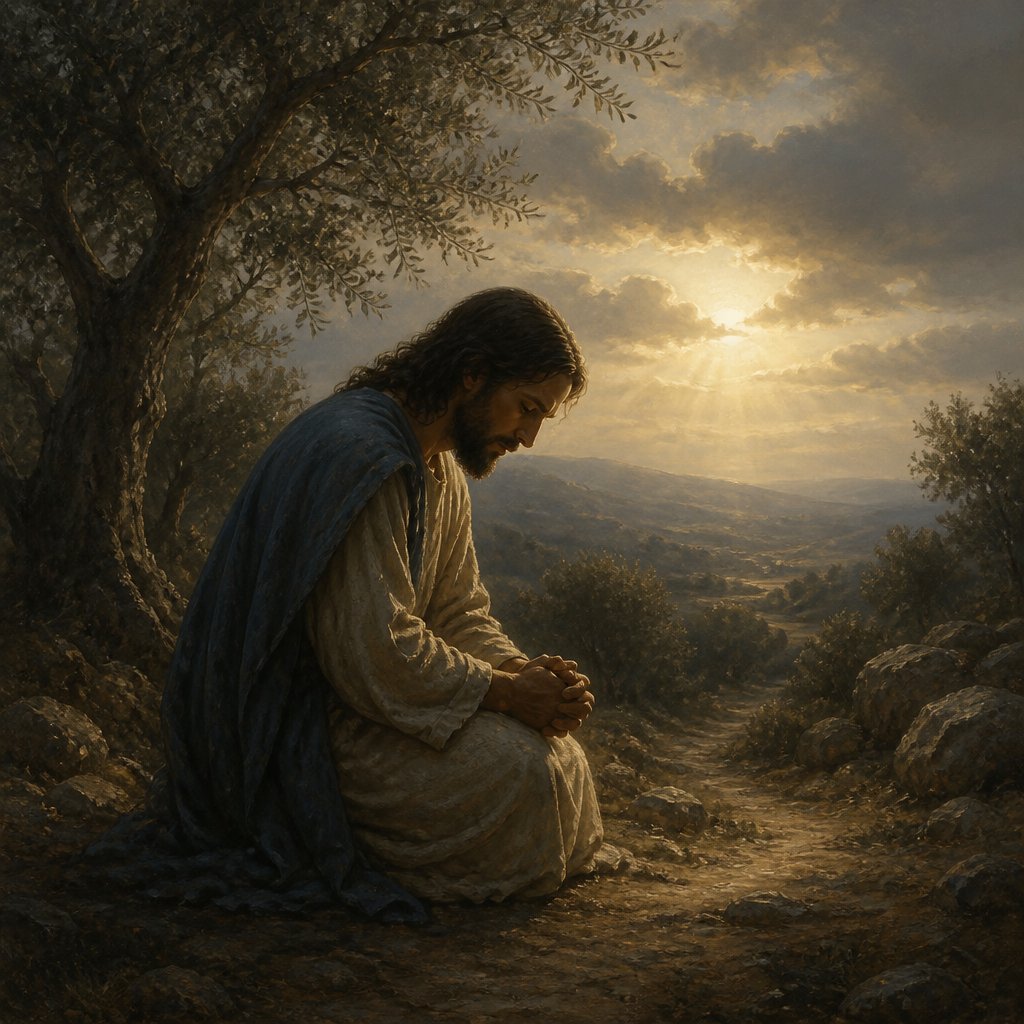
Jeremiah 17:17 in the King James Version of the Bible reads: "Be not a terror unto me: thou art my hope in the day of evil."
This verse can be interpreted in a few different ways, based on the context and themes of the book of Jeremiah as a whole. Jeremiah was a prophet during the final years of the kingdom of Judah, and his prophecies primarily concern the impending destruction of Jerusalem and the exile of the Jewish people. Throughout the book, Jeremiah struggles with his role as a prophet and the difficult messages he must deliver to his people.
In the context of the book of Jeremiah, this verse expresses the speaker's plea for God to not be a source of fear or terror, but rather a source of hope and security. The "day of evil" likely refers to the impending destruction and exile that Jeremiah has been warning about. The speaker is turning to God in a time of crisis, seeking reassurance and comfort in the face of impending doom.
One of the central themes of the book of Jeremiah is the tension between judgment and hope. On one hand, Jeremiah's prophecies are full of warnings of judgment and punishment for the sins of the people. On the other hand, there are also promises of restoration and hope for the future. This verse reflects this tension, as the speaker acknowledges the reality of the "day of evil" but also affirms their hope in God.
The language in this verse also carries symbolic weight. The plea for God to not be a "terror unto me" suggests a fear of God's wrath and judgment, which is a common theme in the Hebrew Bible. At the same time, the affirmation that God is "my hope in the day of evil" underscores the idea that even in the midst of suffering and crisis, God can be a source of comfort and strength.
Overall, this verse encapsulates the themes of fear, hope, and trust in the midst of impending judgment. It reflects the complex emotional and spiritual struggles of the speaker, as well as the broader themes of the book of Jeremiah.
In a broader theological and spiritual sense, this verse can also resonate with believers today. It speaks to the universal human experience of facing trials and crises, and the desire to find hope and security in the midst of uncertainty. The plea for God to not be a terror, but a source of hope, resonates with anyone who has faced fear and uncertainty and sought comfort in their faith.
In conclusion, Jeremiah 17:17 in the King James Version of the Bible is a poignant and powerful expression of the tension between fear and hope, judgment and mercy. It captures the emotional and spiritual struggles of the speaker, as well as the broader themes of the book of Jeremiah. It also speaks to the universal human experience of seeking hope and comfort in the midst of crisis. This verse serves as a reminder that even in the face of judgment and uncertainty, God can be a source of hope and strength.
Have questions about Jeremiah 17:17?
Dive deeper into this scripture with Bible Chat — an AI-powered tool for exploring God's Word through conversation. Ask questions, get context, and grow in your understanding of the Bible.
Get Our Apps


Jeremiah 17:17 Artwork

Jeremiah 17:17 - "Be not a terror unto me: thou art my hope in the day of evil."
"Be not a terror unto me: thou art my hope in the day of evil." - Jeremiah 17:17

Jeremiah 17:7-8

Jeremiah 17:7-8

Jeremiah 17:7-8

Jeremiah 17:7-8

Jeremiah 41:17 (KJVA) 17 And they departed, and dwelt in the habitation of Chimham, which is by Bethlehem, to go to enter into Egypt,

Jeremiah 41:17 (KJVA) 17 And they departed, and dwelt in the habitation of Chimham, which is by Bethlehem, to go to enter into Egypt,

Jeremiah 28:17 - "So Hananiah the prophet died the same year in the seventh month."

Jeremiah 7:17 - "¶ Seest thou not what they do in the cities of Judah and in the streets of Jerusalem?"

Jeremiah 17:12 - "¶ A glorious high throne from the beginning is the place of our sanctuary."

Jeremiah 17:7 - "Blessed is the man that trusteth in the LORD, and whose hope the LORD is."

Young prophet Jeremiah 17 years old

Jeremiah 17:9 - "¶ The heart is deceitful above all things, and desperately wicked: who can know it?"

Jeremiah 10:17 - "¶ Gather up thy wares out of the land, O inhabitant of the fortress."

Jeremiah 12:17 - "But if they will not obey, I will utterly pluck up and destroy that nation, saith the LORD."

Jeremiah 41:17 - "And they departed, and dwelt in the habitation of Chimham, which is by Beth-lehem, to go to enter into Egypt,"

Jeremiah 26:17 - "Then rose up certain of the elders of the land, and spake to all the assembly of the people, saying,"

Jeremiah 17:15 - "¶ Behold, they say unto me, Where is the word of the LORD? let it come now."

Jeremiah 17:2 - "Whilst their children remember their altars and their groves by the green trees upon the high hills."

Jeremiah 22:17 - "But thine eyes and thine heart are not but for thy covetousness, and for to shed innocent blood, and for oppression, and for violence, to do it."

Jeremiah 27:17 - "Hearken not unto them; serve the king of Babylon, and live: wherefore should this city be laid waste?"

Jeremiah 46:17 - "They did cry there, Pharaoh king of Egypt is but a noise; he hath passed the time appointed."

Revelation 1:7

Titus 1:7

Jeremiah 33:17 - "¶ For thus saith the LORD; David shall never want a man to sit upon the throne of the house of Israel;"

Jeremiah 17:23 - "But they obeyed not, neither inclined their ear, but made their neck stiff, that they might not hear, nor receive instruction."

Jeremiah 31:17 - "And there is hope in thine end, saith the LORD, that thy children shall come again to their own border."

Jeremiah 36:17 - "And they asked Baruch, saying, Tell us now, How didst thou write all these words at his mouth?"

Jeremiah 6:17 - "Also I set watchmen over you, saying, Hearken to the sound of the trumpet. But they said, We will not hearken."