What does Jeremiah 16:20 mean?
"Shall a man make gods unto himself, and they are no gods?" - Jeremiah 16:20
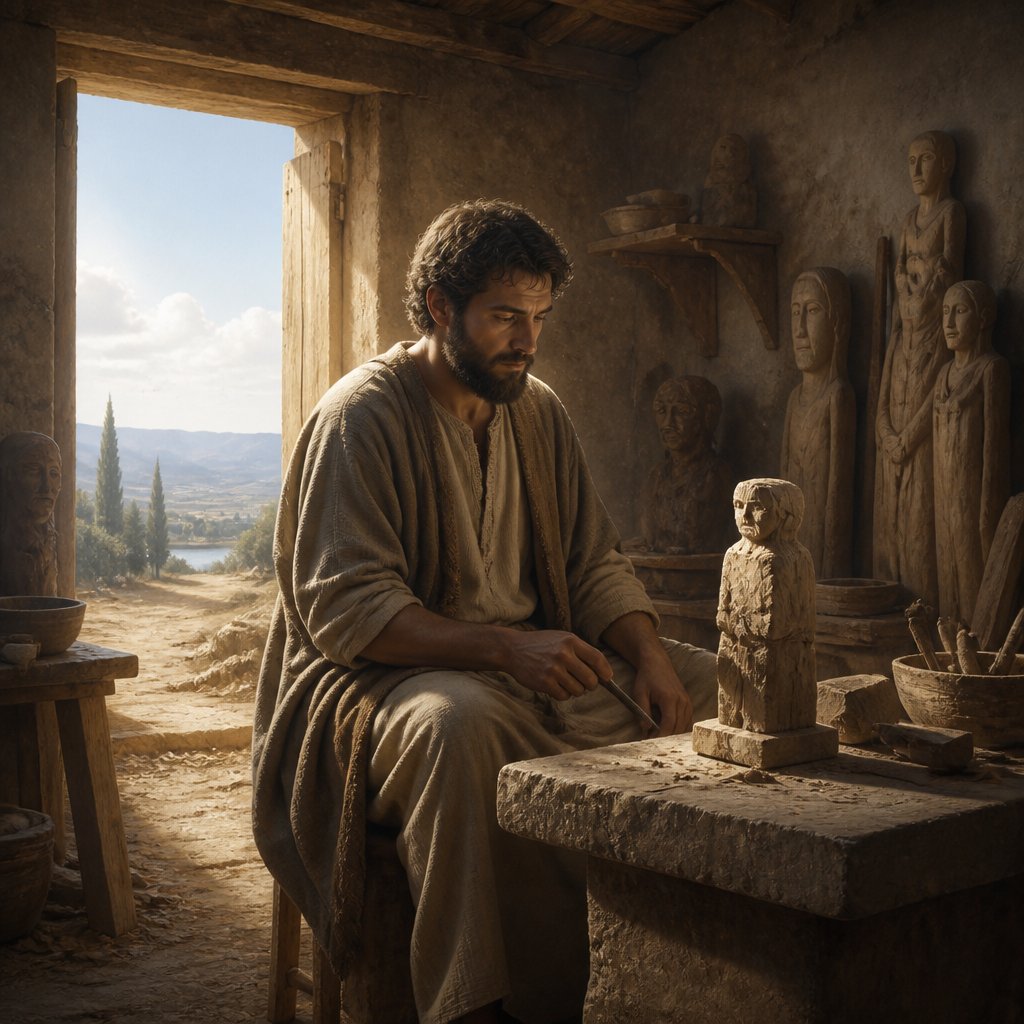
Jeremiah 16:20 (KJV) states: "Shall a man make gods unto himself, and they are no gods?" This verse from the book of Jeremiah addresses the folly of idolatry and the futility of worshiping false gods. In order to fully understand the meaning and significance of this verse, it is important to delve into the context and themes of the book of Jeremiah, as well as the symbolism present in the verse.
The book of Jeremiah is a prophetic book in the Old Testament, attributed to the prophet Jeremiah who lived during a tumultuous period in Israel's history. Jeremiah prophesied during the reign of King Josiah, the last righteous king of Judah, and he continued to prophesy during the reigns of the succeeding kings until the Babylonian exile. The overarching themes of the book of Jeremiah include judgement for sin, the consequences of turning away from God, the promise of restoration, and the call to repentance.
In the context of Jeremiah 16:20, the prophet is addressing the people of Judah, who had turned away from the worship of the true God and had begun to worship false gods, idols made by their own hands. The verse serves as a rebuke to the people for their idolatry, reminding them that these man-made gods are no gods at all. By creating and worshiping these false gods, the people were engaging in a futile and meaningless practice that would ultimately lead to their destruction.
The theme of idolatry is a prevalent one throughout the Bible, and it is particularly significant in the context of the book of Jeremiah. The worship of false gods was a continual problem for the people of Israel, and it often led them away from the true worship of God. Idolatry not only involved the worship of physical idols, but it also represented a turning away from God in favor of worldly desires and false ideologies. In this sense, idolatry can be seen as a symbol of spiritual adultery, as the people were forsaking their true relationship with God in favor of false gods.
The symbolism present in Jeremiah 16:20 is significant in conveying the message of the verse. The idea of "making gods unto himself" speaks to the arrogance and defiance of man in creating his own gods, as if he could somehow elevate himself to the level of deity. This symbolism highlights the foolishness of idolatry and the emptiness of worshiping false gods. By emphasizing that these man-made gods "are no gods," the verse underscores the inherent worthlessness of idols and the spiritual bankruptcy of idolatry.
Furthermore, the verse serves as a reminder of the sovereignty and uniqueness of the true God. In contrast to the false gods created by man, the one true God is eternal, omnipotent, and worthy of worship. The verse prompts the reader to consider the futility of seeking fulfillment and meaning in anything other than the Creator of the universe.
Overall, Jeremiah 16:20 serves as a powerful admonition against idolatry and a call to worship the one true God. It challenges the reader to examine their own life and consider whether they are seeking fulfillment in false gods or worshipping the true God. The verse also serves as a reminder of the consequences of turning away from God and the importance of remaining faithful to Him. Through its compelling themes, powerful context, and rich symbolism, Jeremiah 16:20 continues to resonate as a powerful reminder of the futility of idolatry and the supremacy of the true God.
Have questions about Jeremiah 16:20?
Dive deeper into this scripture with Bible Chat — an AI-powered tool for exploring God's Word through conversation. Ask questions, get context, and grow in your understanding of the Bible.
Get Our Apps


Jeremiah 16:20 Artwork

Jeremiah 16:20 - "Shall a man make gods unto himself, and they are no gods?"
"Shall a man make gods unto himself, and they are no gods?" - Jeremiah 16:20

Jeremiah 20:16 - "And let that man be as the cities which the LORD overthrew, and repented not: and let him hear the cry in the morning, and the shouting at noontide;"

Jeremiah 37:16 - "¶ When Jeremiah was entered into the dungeon, and into the cabins, and Jeremiah had remained there many days;"
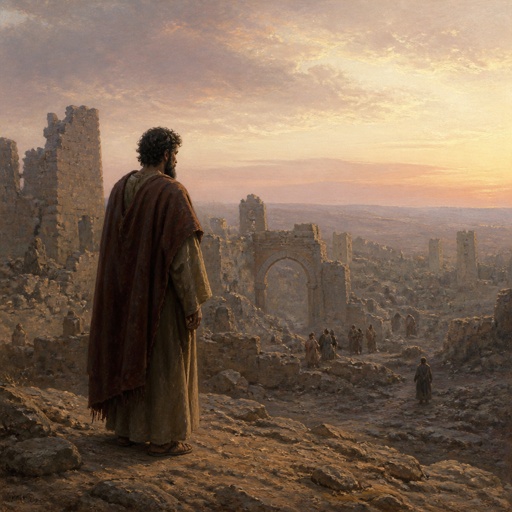
"And let that man be as the cities which the LORD overthrew, and repented not: and let him hear the cry in the morning, and the shouting at noontide;" - Jeremiah 20:16

Jeremiah 20:4

Jeremiah 52:16

Jeremiah 20:2 - "Then Pashur smote Jeremiah the prophet, and put him in the stocks that were in the high gate of Benjamin, which was by the house of the LORD."

Jeremiah 20:3 - "And it came to pass on the morrow, that Pashur brought forth Jeremiah out of the stocks. Then said Jeremiah unto him, The LORD hath not called thy name Pashur, but Magor-missabib."

Mark 16:20
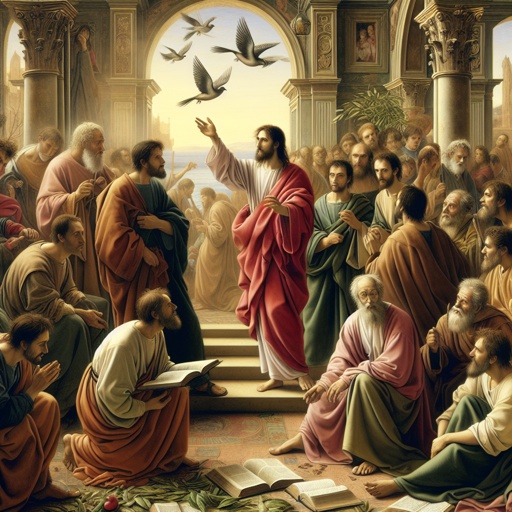
Mark 16:20

Deuteronomy 20:16

Jeremiah 20:1 - "Now Pashur the son of Immer the priest, who was also chief governor in the house of the LORD, heard that Jeremiah prophesied these things."

Jeremiah 44:20 - "¶ Then Jeremiah said unto all the people, to the men, and to the women, and to all the people which had given him that answer, saying,"

Deuteronomy 20:16

Mark 16:20

Genesis 20-16
Mark 16:20

Mark 16:20

Deuteronomy 20:16

Jeremiah 5:20 - "Declare this in the house of Jacob, and publish it in Judah, saying,"

Jeremiah 8:20 - "The harvest is past, the summer is ended, and we are not saved."

Genesis 35:16-20

"¶ When Jeremiah was entered into the dungeon, and into the cabins, and Jeremiah had remained there many days;" - Jeremiah 37:16

Joel 2:16-20

Exodus 19:16-20

Jeremiah 5:16 - "Their quiver is as an open sepulchre, they are all mighty men."
Jeremiah 16:1 - "The word of the LORD came also unto me, saying,"

Jeremiah 26:20 - "And there was also a man that prophesied in the name of the LORD, Urijah the son of Shemaiah of Kirjath-jearim, who prophesied against this city and against this land according to all the words of Jeremiah:"

Jeremiah 46:20 - "Egypt is like a very fair heifer, but destruction cometh; it cometh out of the north."