What does Jeremiah 14:9 mean?
"Why shouldest thou be as a man astonied, as a mighty man that cannot save? yet thou, O LORD, art in the midst of us, and we are called by thy name; leave us not." - Jeremiah 14:9
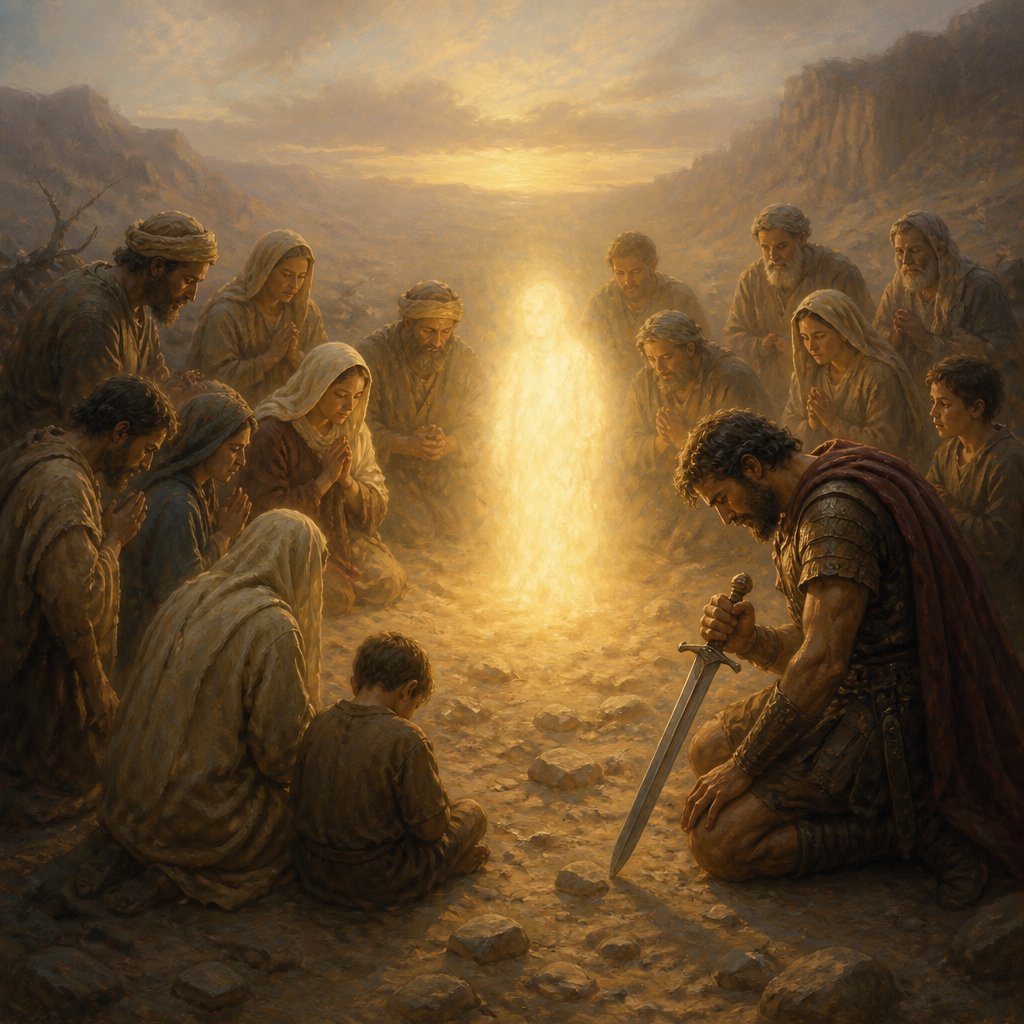
Jeremiah 14:9 in the King James Version of the Bible reads, “Why shouldest thou be as a man astonied, as a mighty man that cannot save? yet thou, O Lord, art in the midst of us, and we are called by thy name; leave us not.”
To understand the full meaning and significance of this verse, it is important to first consider the context in which it was written. At the time of Jeremiah, the people of Judah were facing a severe drought and famine as a result of their disobedience and unfaithfulness to God. They had turned to false gods and idols, forsaking the one true God. In the midst of their suffering, they cry out to God for help and deliverance.
The verse begins with a question, “Why shouldest thou be as a man astonied, as a mighty man that cannot save?” This question is directed towards God, expressing the confusion and bewilderment of the people. They are questioning why God seems to be distant and unable to save them in their time of need. They feel abandoned and hopeless, comparing God to a man who is powerless to help them.
However, in the midst of their despair, the verse also acknowledges the presence of God. It affirms that God is in the midst of them, despite their feeling of abandonment. This serves as a reminder that even in times of hardship and suffering, God is still present and actively involved in the lives of His people.
The verse also emphasizes the relationship between the people of Judah and God. It declares, “we are called by thy name,” indicating that they belong to God and are identified as His chosen people. Despite their disobedience and unfaithfulness, they still bear the name of the Lord.
The final plea of the verse is a heartfelt cry for God to not leave them. The people recognize their need for God’s intervention and implore Him to not forsake them in their time of distress. This plea reflects a deep sense of dependence on God and a desire for His mercy and deliverance.
In terms of themes, this verse addresses important theological and spiritual concepts. One of the key themes is the faithfulness of God. Despite the unfaithfulness of His people, God remains steadfast and faithful to them. He is present in their midst, even when they feel abandoned, and His name is still upon them.
Another theme is the sovereignty and power of God. The verse contrasts the limitations of human strength and ability with the omnipotence of God. It highlights the inadequacy of relying on human might and power, pointing to the only true source of salvation and deliverance, which is God Himself.
The verse also communicates the message of repentance and dependence on God. The people of Judah recognize their own shortcomings and failures, acknowledging their need for God’s help and mercy. It serves as a call to turn back to God and seek His forgiveness and restoration.
Symbolism can also be found in this verse. The image of a “mighty man that cannot save” can be seen as a representation of human strength and power that ultimately proves to be insufficient in the face of adversity. This contrasts with the omnipotence of God, who is able to save and deliver His people.
In conclusion, Jeremiah 14:9 encapsulates the emotional plea and spiritual longing of the people of Judah for God’s intervention and deliverance. It emphasizes the faithfulness and sovereignty of God, as well as the need for repentance and dependence on Him. It is a reminder that even in the midst of suffering and despair, God is present and His name is upon His people. Ultimately, the verse points to the hope and assurance found in trusting God, who is able to save and not leave His people.
Have questions about Jeremiah 14:9?
Dive deeper into this scripture with Bible Chat — an AI-powered tool for exploring God's Word through conversation. Ask questions, get context, and grow in your understanding of the Bible.
Get Our Apps


Jeremiah 14:9 Artwork
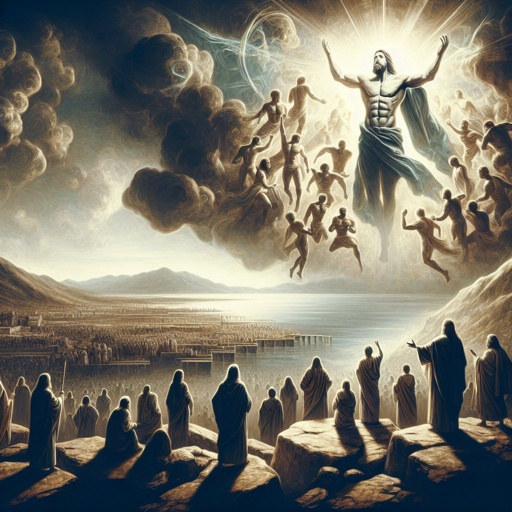
Jeremiah 14:9 - "Why shouldest thou be as a man astonied, as a mighty man that cannot save? yet thou, O LORD, art in the midst of us, and we are called by thy name; leave us not."
"Why shouldest thou be as a man astonied, as a mighty man that cannot save? yet thou, O LORD, art in the midst of us, and we are called by thy name; leave us not." - Jeremiah 14:9

Jeremiah 9:14 - "But have walked after the imagination of their own heart, and after Baalim, which their fathers taught them:"
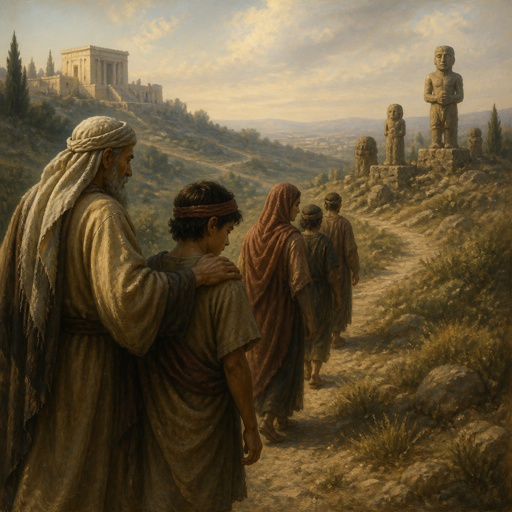
"But have walked after the imagination of their own heart, and after Baalim, which their fathers taught them:" - Jeremiah 9:14

Jeremiah 14:1 - "The word of the LORD that came to Jeremiah concerning the dearth."

Jeremiah 37:14 - "Then said Jeremiah, It is false; I fall not away to the Chaldeans. But he hearkened not to him: so Irijah took Jeremiah, and brought him to the princes."

Jeremiah 29: 4-14

Jeremiah 29: 4-14

Jeremiah 29: 4-14

Jeremiah 29: 4-14

Jeremiah 29: 4-14

"The word of the LORD that came to Jeremiah concerning the dearth." - Jeremiah 14:1

Jeremiah 38:14 - "¶ Then Zedekiah the king sent, and took Jeremiah the prophet unto him into the third entry that is in the house of the LORD: and the king said unto Jeremiah, I will ask thee a thing; hide nothing from me."

Jeremiah 9:9 - "¶ Shall I not visit them for these things? saith the LORD: shall not my soul be avenged on such a nation as this?"

Jeremiah 14:11 - "Then said the LORD unto me, Pray not for this people for their good."

Jeremiah 19:14 - "Then came Jeremiah from Tophet, whither the LORD had sent him to prophesy; and he stood in the court of the LORD'S house; and said to all the people,"

Zechariah 14:9
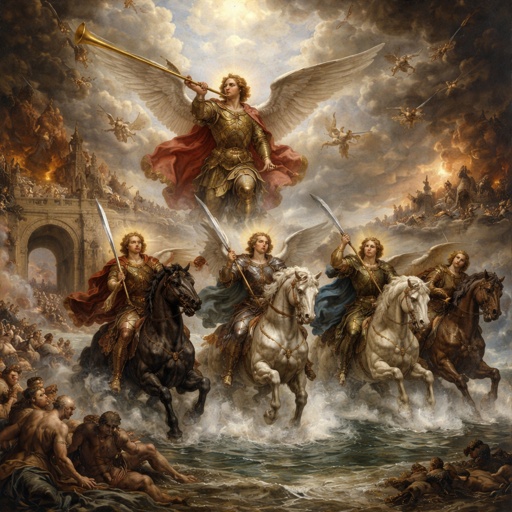
Rev 9:14

Jeremiah 14:5 - "Yea, the hind also calved in the field, and forsook it, because there was no grass."

Jeremiah 48:14 - "¶ How say ye, We are mighty and strong men for the war?"

Jeremiah 38:9 (KJVA) 9 My lord the king, these men have done evil in all that they have done to Jeremiah the prophet, whom they have cast into the dungeon; and he is like to die for hunger in the place where he is: for there is no more bread in the city.

Jeremiah 38:9 (KJVA) 9 My lord the king, these men have done evil in all that they have done to Jeremiah the prophet, whom they have cast into the dungeon; and he is like to die for hunger in the place where he is: for there is no more bread in the city.

Genesis 18:9-14

Luke 18:9-14

Jeremiah 14:4 - "Because the ground is chapt, for there was no rain in the earth, the plowmen were ashamed, they covered their heads."

Luke 18: 9-14

Jeremiah 39:14 - "Even they sent, and took Jeremiah out of the court of the prison, and committed him unto Gedaliah the son of Ahikam the son of Shaphan, that he should carry him home: so he dwelt among the people."

Jeremiah 17:9 - "¶ The heart is deceitful above all things, and desperately wicked: who can know it?"

Jeremiah 17:9 (KJVA) 9 The heart is deceitful above all things, and desperately wicked: who can know it?

Jeremiah 17:9 (KJVA) 9 The heart is deceitful above all things, and desperately wicked: who can know it?