What does Jeremiah 13:27 mean?
"I have seen thine adulteries, and thy neighings, the lewdness of thy whoredom, and thine abominations on the hills in the fields. Woe unto thee, O Jerusalem! wilt thou not be made clean? when shall it once be?" - Jeremiah 13:27
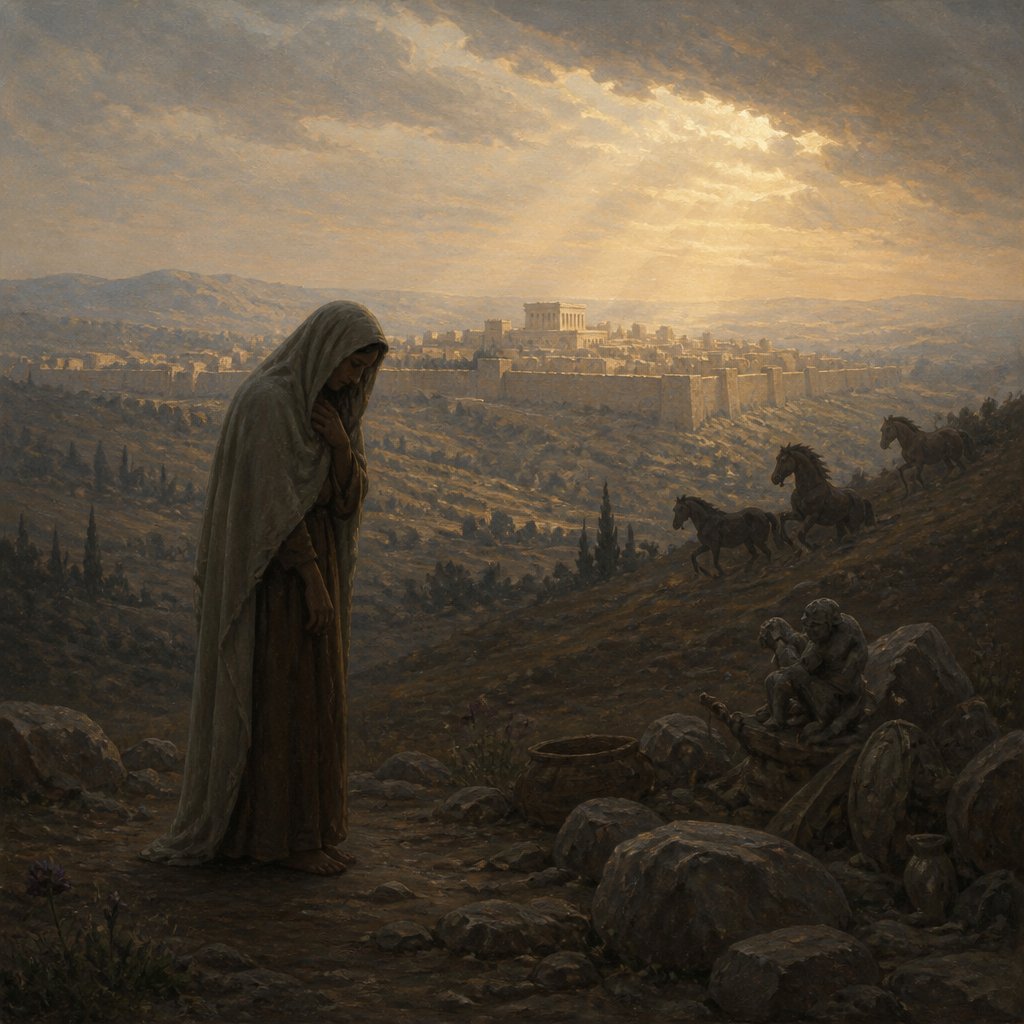
In Jeremiah 13:27, the King James Version of the Bible states, "I have seen thine adulteries, and thy neighings, the lewdness of thy whoredom, and thine abominations on the hills in the fields. Woe unto thee, O Jerusalem! wilt thou not be made clean? when shall it once be?"
This verse is part of the prophetic message delivered by the prophet Jeremiah to the people of Jerusalem. Throughout the book of Jeremiah, the prophet denounces the disobedience and idolatry of the people of Judah and warns of the consequences of their actions. This particular verse is a reflection of Jeremiah's lament over the sins of Jerusalem and his call for the people to repent and return to the ways of the Lord.
The verse begins with a vivid and intense description of the sins of Jerusalem. The use of terms such as "adulteries," "neighings," "lewdness," and "whoredom" paints a picture of moral depravity and spiritual unfaithfulness. It is important to note that the imagery used here is not meant to be taken literally, but rather symbolizes the unfaithfulness of the people towards God.
The mention of "abominations on the hills in the fields" alludes to the pagan practices and idol worship that were prevalent in the land. In ancient times, high places or hills were often used as sites for pagan rituals and sacrifices. The Bible frequently condemns these practices as they were a form of idolatry and a direct violation of the commandments of God.
The prophet then exclaims, "Woe unto thee, O Jerusalem!" This expression of woe signifies deep distress and sorrow over the spiritual condition of the city. Jeremiah is grieved by the sins of the people and the inevitable consequences that will follow if they do not repent and turn away from their wickedness.
The verse ends with Jeremiah's poignant question, "wilt thou not be made clean? when shall it once be?" This serves as a plea for the people to recognize the error of their ways and seek cleansing and forgiveness from the Lord. The prophet longs for Jerusalem to be purified and restored to a state of righteousness.
In the broader context of the book of Jeremiah, this verse is a reflection of the theme of judgment and redemption. Throughout the prophetic book, Jeremiah serves as a mouthpiece for God's message of impending judgment for the sins of the people. However, alongside the judgment, there is also the promise of restoration and renewal if the people would only repent and turn back to God.
The symbolism in this verse is rich and multi-layered. The adulteries and whoredom mentioned represent the spiritual unfaithfulness of the people towards God. The hills in the fields symbolize the high places of idol worship and pagan rituals. The call for Jerusalem to be made clean signifies the need for spiritual purification and renewal.
Overall, Jeremiah 13:27 serves as a poignant reminder of the consequences of unfaithfulness and the urgent call to repentance. It is a timeless message that continues to resonate with believers today, calling them to examine their hearts and turn back to the ways of the Lord.
Have questions about Jeremiah 13:27?
Dive deeper into this scripture with Bible Chat — an AI-powered tool for exploring God's Word through conversation. Ask questions, get context, and grow in your understanding of the Bible.
Get Our Apps


Jeremiah 13:27 Artwork

Jeremiah 13:27 - "I have seen thine adulteries, and thy neighings, the lewdness of thy whoredom, and thine abominations on the hills in the fields. Woe unto thee, O Jerusalem! wilt thou not be made clean? when shall it once be?"
"I have seen thine adulteries, and thy neighings, the lewdness of thy whoredom, and thine abominations on the hills in the fields. Woe unto thee, O Jerusalem! wilt thou not be made clean? when shall it once be?" - Jeremiah 13:27

Jeremiah 27:13 - "Why will ye die, thou and thy people, by the sword, by the famine, and by the pestilence, as the LORD hath spoken against the nation that will not serve the king of Babylon?"

Jeremiah 36:27 - "¶ Then the word of the LORD came to Jeremiah, after that the king had burned the roll, and the words which Baruch wrote at the mouth of Jeremiah, saying,"

Jeremiah 29:27 - "Now therefore why hast thou not reproved Jeremiah of Anathoth, which maketh himself a prophet to you?"

Jeremiah 27:1 - "In the beginning of the reign of Jehoiakim the son of Josiah king of Judah came this word unto Jeremiah from the LORD, saying,"

Jeremiah 22:27 - "But to the land whereunto they desire to return, thither shall they not return."
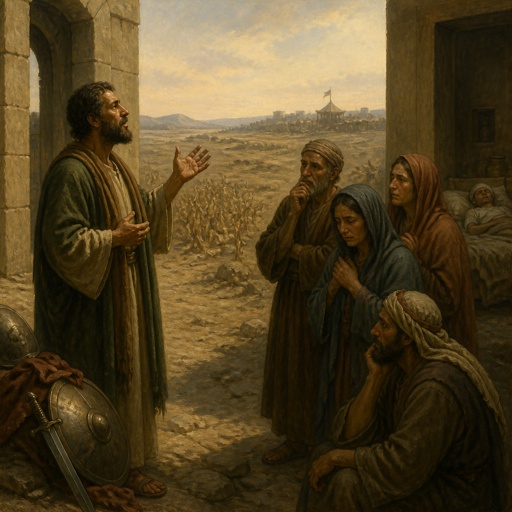
"Why will ye die, thou and thy people, by the sword, by the famine, and by the pestilence, as the LORD hath spoken against the nation that will not serve the king of Babylon?" - Jeremiah 27:13

Jeremiah 38:13 - "So they drew up Jeremiah with cords, and took him up out of the dungeon: and Jeremiah remained in the court of the prison."

Jeremiah 29:11-13

Jeremiah 29:11-13

Jeremiah 29:11-13

Jeremiah 29:11-13

Jeremiah 13:23

Luke 13:28-27

Luke 13:28-27

Psalm 27:13-14

Luke 13:28-27

Jeremiah 49:27 - "And I will kindle a fire in the wall of Damascus, and it shall consume the palaces of Ben-hadad."

Jeremiah 38:27 - "Then came all the princes unto Jeremiah, and asked him: and he told them according to all these words that the king had commanded. So they left off speaking with him; for the matter was not perceived."

Jeremiah 38:1–13

Jeremiah 46:13 - "¶ The word that the LORD spake to Jeremiah the prophet, how Nebuchadrezzar king of Babylon should come and smite the land of Egypt."

Jeremiah 5:27 - "As a cage is full of birds, so are their houses full of deceit: therefore they are become great, and waxen rich."

Jeremiah 27:17 - "Hearken not unto them; serve the king of Babylon, and live: wherefore should this city be laid waste?"

Jeremiah 32:27 - "Behold, I am the LORD, the God of all flesh: is there any thing too hard for me?"

Exodus 27:13 - "And the breadth of the court on the east side eastward shall be fifty cubits."

Jeremiah 4:27 - "For thus hath the LORD said, The whole land shall be desolate; yet will I not make a full end."

Jeremiah 27:2 - "Thus saith the LORD to me; Make thee bonds and yokes, and put them upon thy neck,"

1 Chronicles 12:13 - "Jeremiah the tenth, Machbanai the eleventh."

"¶ Then the word of the LORD came to Jeremiah, after that the king had burned the roll, and the words which Baruch wrote at the mouth of Jeremiah, saying," - Jeremiah 36:27