What does Jeremiah 10:19 mean?
"¶ Woe is me for my hurt! my wound is grievous: but I said, Truly this is a grief, and I must bear it." - Jeremiah 10:19
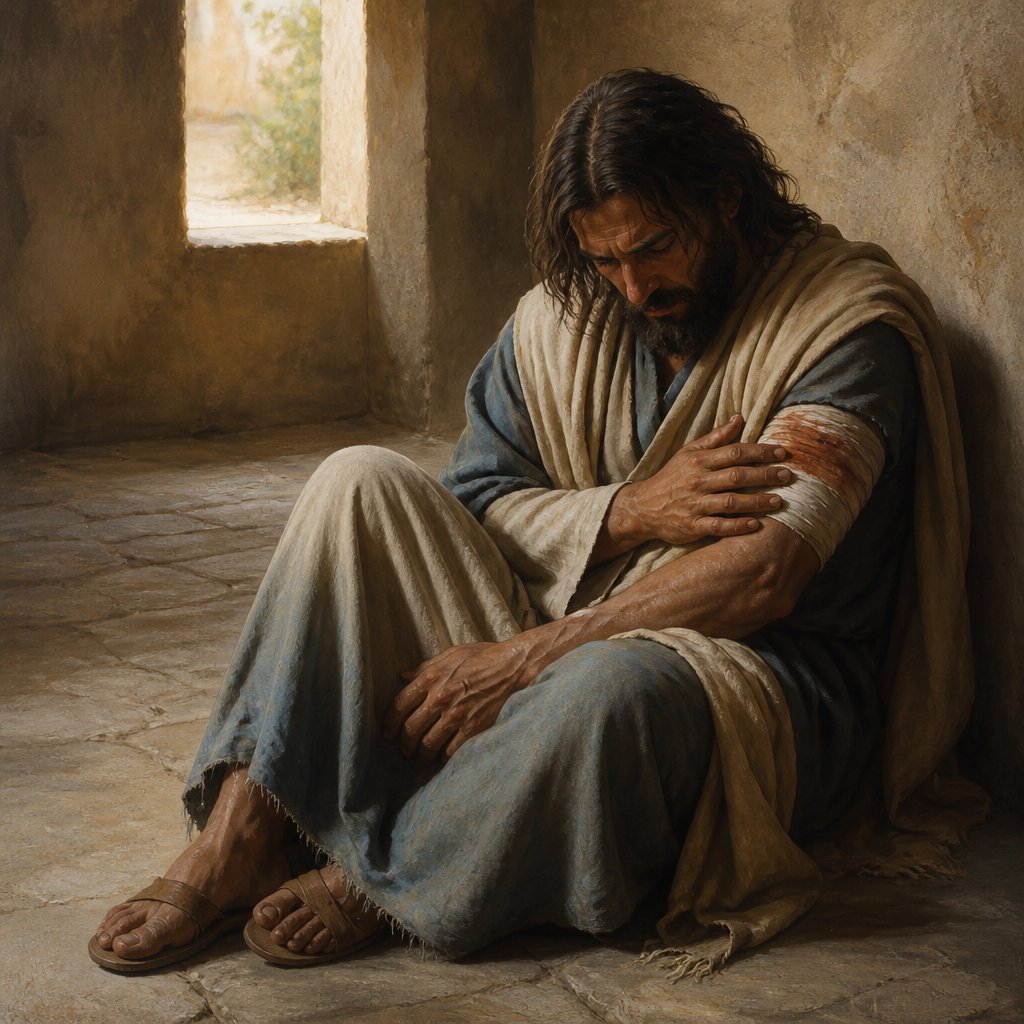
The Bible verse Jeremiah 10:19, as found in the King James Version (KJV), reads: "Woe is me for my hurt! My wound is grievous, but I said, Truly this is a grief, and I must bear it." This verse is part of a larger passage in the Book of Jeremiah, where the prophet laments the destruction and devastation that have come upon his people.
The Book of Jeremiah is filled with prophetic warnings and lamentations about the impending destruction of Judah and Jerusalem, as well as the consequences of the people's disobedience to God. In chapter 10, Jeremiah speaks of the futility of idolatry and warns the people of the consequences of their actions. He describes the coming destruction as a time of great sorrow and grievous wounds.
In Jeremiah 10:19, the prophet expresses his personal anguish over the suffering and devastation that he and his people are experiencing. The phrase "Woe is me for my hurt!" reflects Jeremiah's deep sense of sorrow and concern for the well-being of his people. He recognizes the severity of the situation and acknowledges the pain and grief that he feels.
The verse continues with the phrase, "My wound is grievous, but I said, Truly this is a grief, and I must bear it." Here, Jeremiah acknowledges the severity of the wound that has befallen him and his people. The word "grievous" emphasizes the seriousness and depth of the suffering. Despite this, Jeremiah acknowledges that the grief and suffering must be borne and endured. This statement reflects Jeremiah's acceptance of the difficult circumstances and his understanding that the pain and suffering must be faced with resilience and strength.
In a broader context, this verse speaks to the resilience and endurance of the human spirit in the face of suffering and adversity. Jeremiah's words resonate with the universal experience of pain and struggle, as well as the recognition that such difficulties must be acknowledged and faced with courage and determination.
The themes of suffering, resilience, and faith are central to the message of Jeremiah 10:19. The verse highlights the reality of pain and grief, while also emphasizing the importance of acknowledging and enduring these challenges. It serves as a reminder that, in times of hardship, it is important to confront and bear the pain with humility and fortitude.
The verse also carries a spiritual significance, as it speaks to the relationship between suffering and one's faith in God. Jeremiah's lamentation reflects his deep trust in God, even in the midst of great suffering. His acknowledgement of the necessity to bear the grief suggests a profound understanding of the divine purpose behind their trials. This sentiment underscores the importance of maintaining faith and trust in God, even in times of great hardship.
Symbolically, the grievous wound and the acknowledgment of grief can be seen as representative of the trials and struggles that all individuals face in their lives. Jeremiah's words serve as a poignant reminder of the human experience of pain and suffering, as well as the importance of finding strength and resilience in the face of such challenges.
In conclusion, Jeremiah 10:19 from the King James Version of the Bible offers a profound reflection on the reality of suffering and the importance of resilience and endurance in the face of adversity. It speaks to the universal experience of pain and grief, while also highlighting the significance of faith and trust in God during times of hardship. This verse serves as a timeless reminder of the human experience of suffering and the necessity of facing such challenges with courage and hope.
Have questions about Jeremiah 10:19?
Dive deeper into this scripture with Bible Chat — an AI-powered tool for exploring God's Word through conversation. Ask questions, get context, and grow in your understanding of the Bible.
Get Our Apps


Jeremiah 10:19 Artwork

Jeremiah 10:19 - "¶ Woe is me for my hurt! my wound is grievous: but I said, Truly this is a grief, and I must bear it."
"¶ Woe is me for my hurt! my wound is grievous: but I said, Truly this is a grief, and I must bear it." - Jeremiah 10:19

Jeremiah 19:10 - "Then shalt thou break the bottle in the sight of the men that go with thee,"
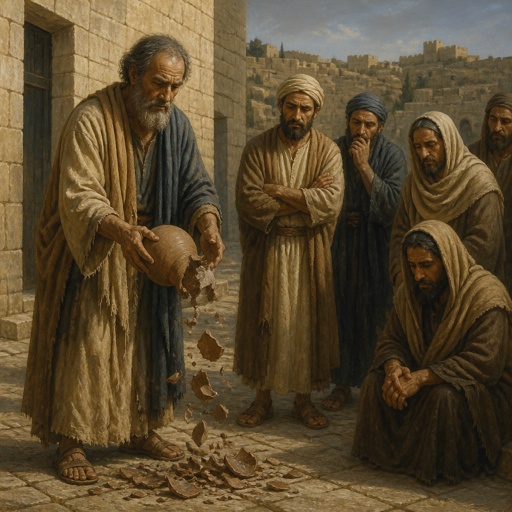
"Then shalt thou break the bottle in the sight of the men that go with thee," - Jeremiah 19:10

Jeremiah 33:19 - "¶ And the word of the LORD came unto Jeremiah, saying,"

Jeremiah 36:19 - "Then said the princes unto Baruch, Go, hide thee, thou and Jeremiah; and let no man know where ye be."

"¶ And the word of the LORD came unto Jeremiah, saying," - Jeremiah 33:19

Jeremiah 10:5

Luke 10:18-19

Luke 10:18-19

Luke 10:18-19

Luke 10:17-19

Jeremiah 38:19 - "And Zedekiah the king said unto Jeremiah, I am afraid of the Jews that are fallen to the Chaldeans, lest they deliver me into their hand, and they mock me."

Luke 10:18-19

Luke 10:18-19

Luke 10:18-19

Luke 10:17-19

Jeremiah 19:14 - "Then came Jeremiah from Tophet, whither the LORD had sent him to prophesy; and he stood in the court of the LORD'S house; and said to all the people,"

Jeremiah 1: 1-10

Nehemiah 10:2 - "Seraiah, Azariah, Jeremiah,"

Luke 19:10

Genesis 19-10

1 Chronicles 12:10 - "Mishmannah the fourth, Jeremiah the fifth,"

Jeremiah 18:19 - "Give heed to me, O LORD, and hearken to the voice of them that contend with me."

Nehemiah 10:19 - "Hariph, Anathoth, Nebai,"

Jeremiah 25:19 - "Pharaoh king of Egypt, and his servants, and his princes, and all his people;"

Luke 19:1-10

Jeremiah 10:8 - "But they are altogether brutish and foolish: the stock is a doctrine of vanities."

Luke 10:18-19

Luke 19:1-10