What does James 4:5 mean?
"Do ye think that the scripture saith in vain, The spirit that dwelleth in us lusteth to envy?" - James 4:5
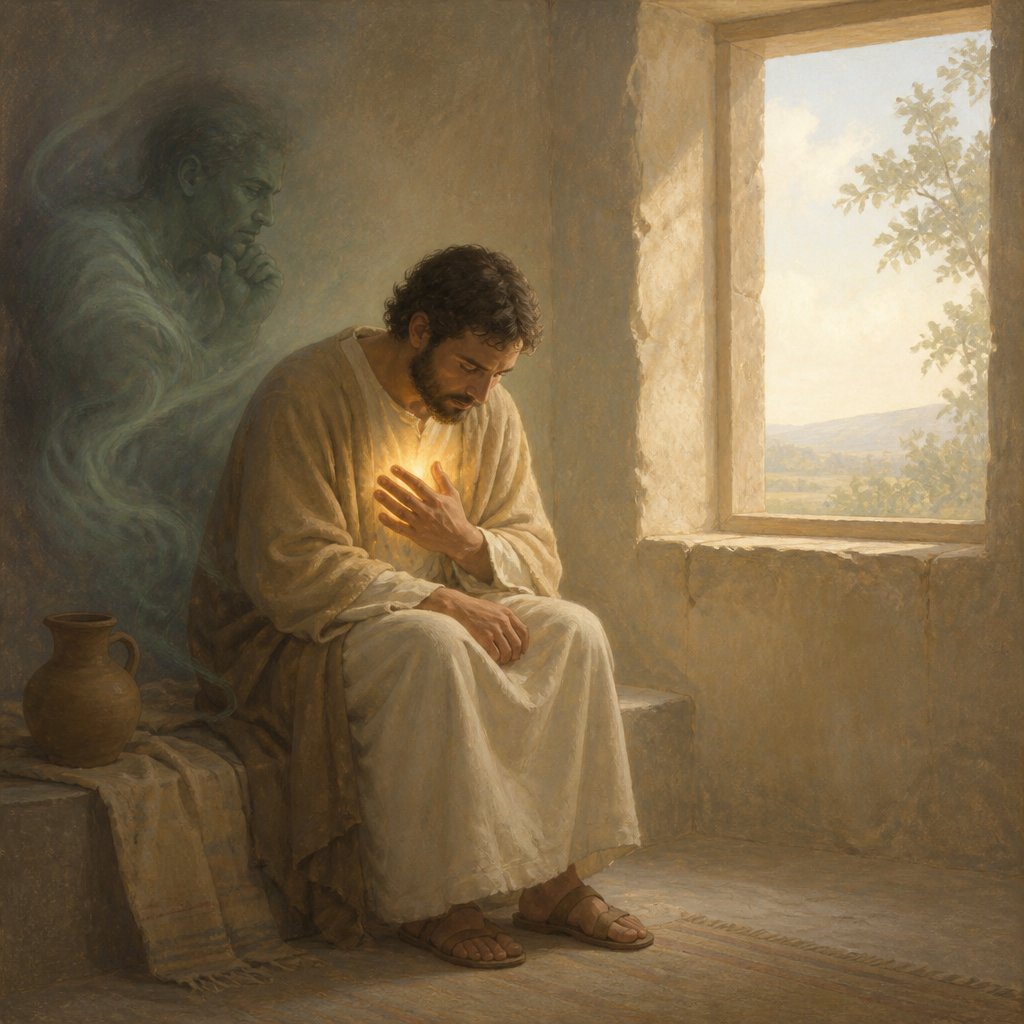
James 4:5 (KJV) reads, "Do ye think that the scripture saith in vain, The spirit that dwelleth in us lusteth to envy?" This verse is a powerful reminder of the constant struggle within us between the desires of the flesh and the desires of the spirit.
The book of James is often seen as a practical guide to Christian living, addressing issues such as temptation, wisdom, patience, and prayer. In the preceding verses, James admonishes his readers for their worldly desires and warns them that friendship with the world is enmity with God. He calls them to humble themselves before the Lord and resist the devil, and he reminds them that God gives grace to the humble. In verse 5, James makes reference to a scripture passage that speaks to the conflict between the flesh and the spirit.
The scripture James is referring to is not explicitly stated in the verse, but some scholars believe it could be a reference to Genesis 6:5, which describes how the wickedness of man grieved the Spirit of God. This interpretation suggests that the "lust to envy" refers to the sinful desires of the flesh that lead to envy and strife, causing a grieving within the Holy Spirit that dwells within believers.
The verse highlights the internal struggle that every Christian faces, as the Holy Spirit within us desires righteousness and holiness, but our sinful nature is prone to envy, jealousy, and selfish ambition. This tension is a recurring theme in the New Testament, as the apostles often warn believers against the desires of the flesh and encourage them to walk in the Spirit.
The concept of the Holy Spirit dwelling within believers is a central theme in the New Testament. In John 14:16-17, Jesus promises to send the Holy Spirit to be with his disciples forever. The Spirit is described as a comforter, a counselor, and a guide who will dwell in believers. The presence of the Holy Spirit within us indicates our spiritual rebirth and our union with Christ, but it also brings a responsibility to walk in the Spirit and not gratify the desires of the flesh (Galatians 5:16).
The phrase "lusteth to envy" suggests a passionate and intense desire that leads to envy. This mirrors the language used in the tenth commandment, which forbids coveting what belongs to others. Envy and covetousness are destructive sins that can lead to discontentment, jealousy, and bitterness. The apostle Paul also warns against these attitudes in his letters, urging believers to be content with what they have and to rejoice with those who rejoice (Romans 12:15).
The verse also implies that the scripture does not speak in vain. This underscores the truth and authority of God's Word, as well as the seriousness of the warnings and admonitions it contains. The scriptures are living and active, and they have the power to convict, correct, and instruct believers in righteousness (2 Timothy 3:16).
In conclusion, James 4:5 serves as a poignant reminder of the internal struggle between the desires of the flesh and the desires of the Spirit. It urges believers to be vigilant against the temptations of envy and to humble themselves before the Lord. The verse underscores the importance of walking in the Spirit and aligning our desires with God's will. It also emphasizes the authority of God's Word and the seriousness of its warnings. As Christians, we are called to resist the desires of the flesh and to cultivate a spirit of humility, contentment, and love for others.
Have questions about James 4:5?
Dive deeper into this scripture with Bible Chat — an AI-powered tool for exploring God's Word through conversation. Ask questions, get context, and grow in your understanding of the Bible.
Get Our Apps


James 4:5 Artwork

James 4:5 - "Do ye think that the scripture saith in vain, The spirit that dwelleth in us lusteth to envy?"
"Do ye think that the scripture saith in vain, The spirit that dwelleth in us lusteth to envy?" - James 4:5

James 4:4

Mark 5:37 - "And he suffered no man to follow him, save Peter, and James, and John the brother of James."

James 4:10

James 4:7

James 4:7

James 4:10

James 4:10

James 4:10

James 4:10

James 4:10

James 4:10

James 4:10

James 4:10

James 4:10

James 4:7

James 4:7

James 4:10

James 4:10

James 4:10

James 4:10

James 4:10

James 4:7

James 4:10

James 4:10

James 4:10

James 4:10

James 4:7

James 4:10