What does James 4:15 mean?
"For that ye ought to say, If the Lord will, we shall live, and do this, or that." - James 4:15
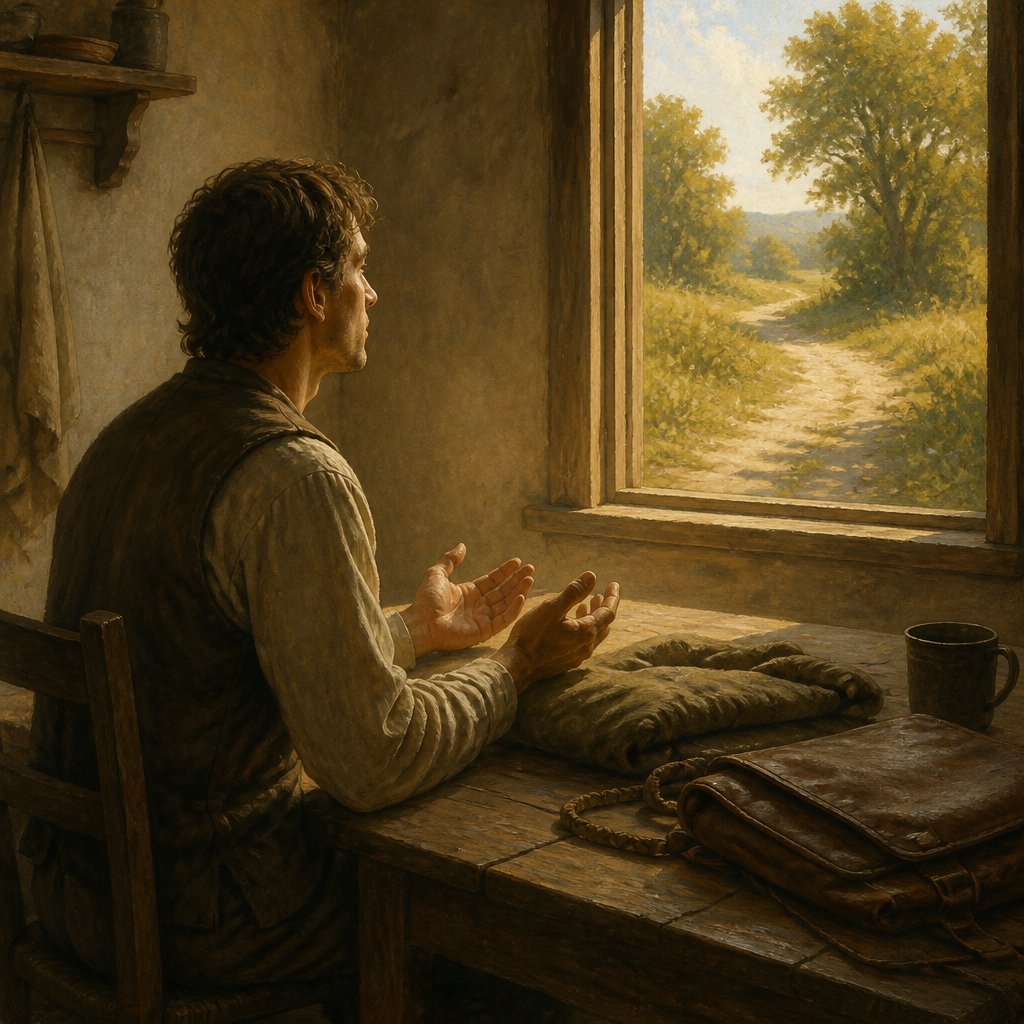
James 4:15 in the King James Version of the Bible depicts a profound message regarding the uncertainty of life and the importance of acknowledging God's sovereignty in all our plans and endeavors. The verse reads, "For that ye ought to say, If the Lord will, we shall live, and do this, or that."
In this verse, the apostle James highlights the necessity of recognizing God's control over our lives and the plans we make for the future. He emphasizes the importance of acknowledging God's will in our decision-making process and submitting to His authority. This verse serves as a reminder to believers that our lives are ultimately in God's hands, and we should approach our plans with humility and dependence on His guidance.
The theme of this verse revolves around the concept of God's sovereignty and the uncertainty of human life. James reminds his readers that the future is ultimately in God's hands, and we should approach our plans with a spirit of humility and submission to His will. This theme also embodies the broader biblical principle that God is ultimately in control of all things, and we are called to trust in His divine providence.
The context of James 4:15 is situated within a larger passage in which James addresses the issue of pride and self-sufficiency. Earlier in the chapter, James rebukes the readers for their worldly desires and warns them about the dangers of pride and self-reliance. He points out that their arrogant attitude leads to conflict and disharmony, and he exhorts them to submit to God and resist the temptations of the world.
In this context, James 4:15 serves as a continuation of his message regarding humility and reliance on God. He encourages his readers to approach their plans with a mindset of dependence on God, recognizing that He is the ultimate authority over their lives. The verse serves as a counterpoint to the self-sufficient mindset that James condemns earlier in the chapter, emphasizing the need for believers to acknowledge God's sovereignty and submit to His will in all their endeavors.
The symbolism in James 4:15 lies in the contrast between human frailty and God's omnipotence. The verse highlights the transient nature of human life and the uncertainty of the future, emphasizing the need for believers to approach their plans with a sense of humility and reliance on God. The phrase "If the Lord will" serves as a symbolic expression of the recognition of God's ultimate authority and the acknowledgment of His sovereignty over our lives. It symbolizes the submission of our plans to God's will and the trust we place in His divine providence.
In summary, James 4:15 conveys a powerful message about the importance of acknowledging God's sovereignty in our plans and endeavors. It serves as a reminder of the uncertainty of human life and the need for believers to approach their plans with humility and dependence on God. The verse embodies the broader biblical principle of trusting in God's providential care and submitting to His will in all things. Through its timeless message, James 4:15 challenges believers to cultivate a spirit of humility and reliance on God, recognizing His ultimate authority over our lives.
Have questions about James 4:15?
Dive deeper into this scripture with Bible Chat — an AI-powered tool for exploring God's Word through conversation. Ask questions, get context, and grow in your understanding of the Bible.
Get Our Apps


James 4:15 Artwork

James 4:15 - "For that ye ought to say, If the Lord will, we shall live, and do this, or that."
"For that ye ought to say, If the Lord will, we shall live, and do this, or that." - James 4:15

Ephesians 4:1-5

James 4:4

James 4:10

James 4:10

James 4:10

James 4:10

James 4:7

James 4:7

James 4:10

James 4:10

James 4:10

James 4:10

James 4:10

James 4:10

James 4:10

James 4:7

James 4:10

James 4:10

James 4:7

James 4:10

James 4:10

James 4:7

James 4:10

James 4:10

James 4:7

James 4:7

James 4:10

James 4:7