What does James 3:17 mean?
"But the wisdom that is from above is first pure, then peaceable, gentle, and easy to be intreated, full of mercy and good fruits, without partiality, and without hypocrisy." - James 3:17

The Bible verse James 3:17 from the King James Version (KJV) reads: "But the wisdom that is from above is first pure, then peaceable, gentle, and easy to be entreated, full of mercy and good fruits, without partiality, and without hypocrisy."
This verse is part of a larger passage in the book of James that deals with the topic of wisdom and understanding. In this specific verse, James is contrasting two types of wisdom: the wisdom that comes from above and the wisdom that is worldly. The wisdom from above, as described in James 3:17, is characterized by purity, peaceableness, gentleness, approachability, mercy, good fruits, impartiality, and authenticity. In contrast, worldly wisdom can be characterized by jealousy, selfish ambition, disorder, and every evil practice (James 3:14-16).
The concept of wisdom is a central theme in the book of James, and this verse specifically addresses the qualities and characteristics of divine wisdom. To fully understand the meaning of James 3:17, it is important to examine the context in which it is found and the overall themes of the book of James.
The book of James is often seen as a practical guide for Christian living. It addresses various topics such as trials and temptations, the importance of hearing and doing the word of God, the danger of favoritism, the relationship between faith and deeds, the power of the tongue, and the nature of true wisdom. Throughout the book, James emphasizes the need for believers to live out their faith in tangible ways, demonstrating their faith through their actions and attitudes.
In James 3:17, the characteristics of divine wisdom are clearly outlined. The wisdom that comes from above is first pure, indicating that it is free from moral impurity and sin. This purity is a reflection of God's character, and it sets the foundation for the other qualities of divine wisdom. The wisdom from above is also peaceable, emphasizing the importance of harmony and reconciliation in relationships. It promotes gentleness, humility, and a non-confrontational demeanor, seeking to maintain peace and unity.
Additionally, divine wisdom is described as being easy to be entreated, or open to reason. This reflects an attitude of approachability, receptiveness, and willingness to listen and consider the perspectives of others. The wisdom from above is also full of mercy and good fruits, embodying compassion, kindness, and an abundance of good deeds that benefit others. It demonstrates a concern for the well-being of others and a commitment to serving and blessing others.
Furthermore, divine wisdom is described as being without partiality, or free from favoritism and bias. It does not show favoritism based on external factors such as wealth, status, or appearance, but rather treats all individuals with equality and fairness. Lastly, the wisdom from above is without hypocrisy, emphasizing the importance of sincerity, truthfulness, and consistency in character and conduct.
The symbolism in James 3:17 reflects the values and qualities that are esteemed in the Christian faith. These attributes align with the teachings of Jesus Christ, who exemplified purity, peaceableness, gentleness, approachability, mercy, good fruits, impartiality, and authenticity. Ultimately, the verse calls believers to embody the wisdom from above and to live in a way that reflects the character of God.
In conclusion, James 3:17 serves as a guide for believers to pursue and cultivate divine wisdom in their lives. The verse sets a standard for the attitudes and behaviors that are consistent with true wisdom, emphasizing the importance of purity, peaceableness, gentleness, approachability, mercy, good deeds, impartiality, and authenticity. As believers seek to live out their faith and grow in wisdom, this verse provides a clear and powerful framework for how to navigate the complexities of life with grace, love, and integrity.
Have questions about James 3:17?
Dive deeper into this scripture with Bible Chat — an AI-powered tool for exploring God's Word through conversation. Ask questions, get context, and grow in your understanding of the Bible.
Get Our Apps


James 3:17 Artwork

James 3:17 - "But the wisdom that is from above is first pure, then peaceable, gentle, and easy to be intreated, full of mercy and good fruits, without partiality, and without hypocrisy."

"But the wisdom that is from above is first pure, then peaceable, gentle, and easy to be intreated, full of mercy and good fruits, without partiality, and without hypocrisy." - James 3:17
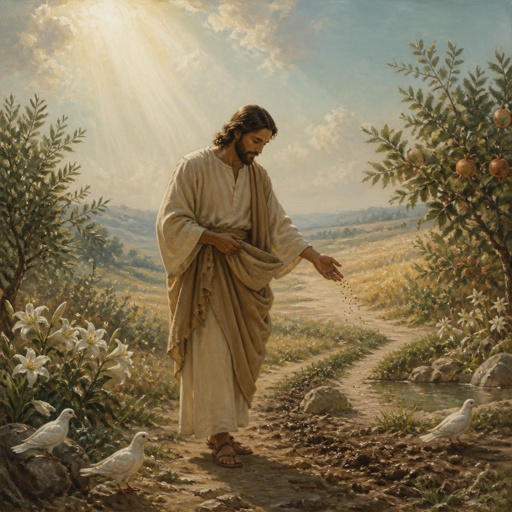
"But the wisdom that comes from heaven is first of all pure; then peace-loving, considerate, submissive, full of mercy and good fruit, impartial and sincere. Peacemakers who sow in peace reap a harvest of righteousness." - James 3:17-18

Mark 3:17 - "And James the son of Zebedee, and John the brother of James; and he surnamed them Boanerges, which is, The sons of thunder:"

"And James the son of Zebedee, and John the brother of James; and he surnamed them Boanerges, which is, The sons of thunder:" - Mark 3:17

JAMES 4:17

James 1:17

James 1:17

James 1:17

Matthew 17:1-3: After six days Jesus took with him Peter, James and John the brother of James, and led them up a high mountain by themselves. 2 There he was transfigured before them. His face shone like the sun, and his clothes became as white as the light. 3 Just then there appeared before them Moses and Elijah, talking with Jesus.

James 1:17

James 1:17

Matthew 17:1-3: After six days Jesus took with him Peter, James and John the brother of James, and led them up a high mountain by themselves. 2 There he was transfigured before them. His face shone like the sun, and his clothes became as white as the light. 3 Just then there appeared before them Moses and Elijah, talking with Jesus.

Matthew 17:1-3: After six days Jesus took with him Peter, James and John the brother of James, and led them up a high mountain by themselves. 2 There he was transfigured before them. His face shone like the sun, and his clothes became as white as the light. 3 Just then there appeared before them Moses and Elijah, talking with Jesus.

James 1:17-22

James 4:17 - "Therefore to him that knoweth to do good, and doeth it not, to him it is sin."

James 2:17 - "Even so faith, if it hath not works, is dead, being alone."

James 1:3 - "Knowing this, that the trying of your faith worketh patience."

James 3:18 - "And the fruit of righteousness is sown in peace of them that make peace."

James 3:15 - "This wisdom descendeth not from above, but is earthly, sensual, devilish."

James 3:16 - "For where envying and strife is, there is confusion and every evil work."

James 3:3 - "Behold, we put bits in the horses' mouths, that they may obey us; and we turn about their whole body."

James 3:11 - "Doth a fountain send forth at the same place sweet water and bitter?"

James 3:8 - "But the tongue can no man tame; it is an unruly evil, full of deadly poison."

James 3:1 - "My brethren, be not many masters, knowing that we shall receive the greater condemnation."

Matthew 17:1 - "And after six days Jesus taketh Peter, James, and John his brother, and bringeth them up into an high mountain apart,"

James 3:14 - "But if ye have bitter envying and strife in your hearts, glory not, and lie not against the truth."

Mark 3:18 - "And Andrew, and Philip, and Bartholomew, and Matthew, and Thomas, and James the son of Alphaeus, and Thaddaeus, and Simon the Canaanite,"

James 3:10 - "Out of the same mouth proceedeth blessing and cursing. My brethren, these things ought not so to be."

James 5:17 - "Elias was a man subject to like passions as we are, and he prayed earnestly that it might not rain: and it rained not on the earth by the space of three years and six months."