What does James 3:1-12 mean?
"Not many of you should become teachers, my fellow believers, because you know that we who teach will be judged more strictly. We all stumble in many ways. Anyone who is never at fault in what they say is perfect, able to keep their whole body in check. When we put bits into the mouths of horses to make them obey us, we can turn the whole animal. Or take ships as an example. Although they are so large and are driven by strong winds, they are steered by a very small rudder wherever the pilot wants to go. Likewise, the tongue is a small part of the body, but it makes great boasts. Consider what a great forest is set on fire by a small spark. The tongue also is a fire, a world of evil among the parts of the body. It corrupts the whole body, sets the whole course of one’s life on fire, and is itself set on fire by hell. All kinds of animals, birds, reptiles and sea creatures are being tamed and have been tamed by mankind, but no human being can tame the tongue. It is a restless evil, full of deadly poison. With the tongue we praise our Lord and Father, and with it we curse human beings, who have been made in God’s likeness. Out of the same mouth come praise and cursing. My brothers and sisters, this should not be. Can both fresh water and salt water flow from the same spring? My brothers and sisters, can a fig tree bear olives, or a grapevine bear figs? Neither can a salt spring produce fresh water." - James 3:1-12
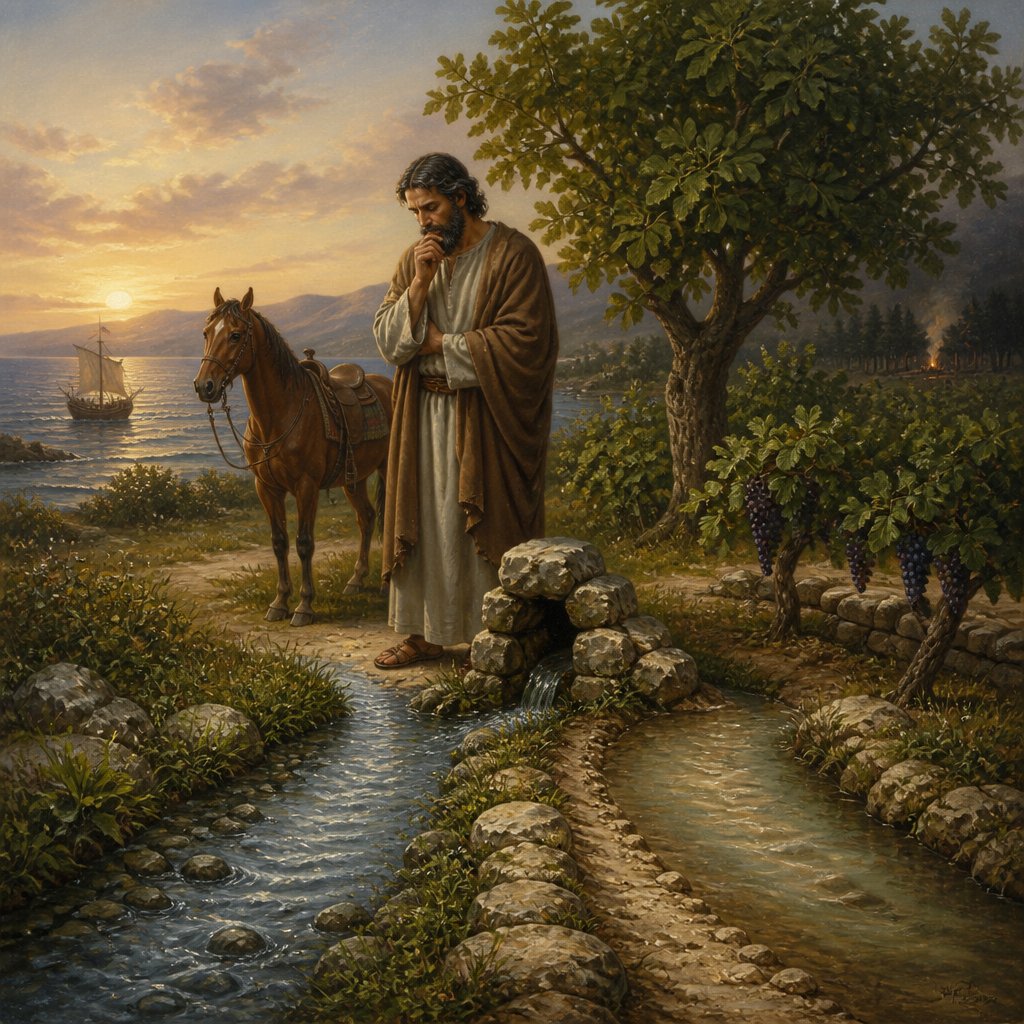
The passage James 3:1-12 from the King James Version of the Bible delves into the power of the tongue and the importance of controlling one's speech. The passage presents a vivid portrayal of the harmful effects of an unbridled tongue and the potential consequences of careless words.
The verse begins with a cautionary statement, "My brethren, be not many masters, knowing that we shall receive the greater condemnation." In this verse, "masters" refers to teachers or leaders within the church. James is warning against the desire to lead or teach without the necessary wisdom and understanding of the responsibility that comes with such a role. Those who assume such positions of influence without the appropriate qualifications will face greater condemnation for their mistakes.
The following verses emphasize the significant impact of the tongue and its potential for both positive and negative influence. James uses the metaphor of a bit in a horse's mouth to illustrate the power of the tongue to guide and direct one's life. He compares the tongue to a small rudder that can steer a large ship, highlighting the disproportionate impact of the tongue's words relative to its size.
The passage also draws attention to the destructive potential of the tongue, stating that it is a "fire, a world of iniquity." The tongue, James asserts, is capable of setting a whole forest ablaze with its destructive power. This imagery serves as a stark reminder of the harm that can be wrought by untamed speech. The tongue is described as a "world of iniquity," emphasizing the vast potential for sin and wrongdoing that can be unleashed through careless or malicious words.
Additionally, James likens the tongue to a "deadly poison," underscoring its ability to inflict harm and cause injury. He emphasizes that the tongue has the power to both bless and curse, contrasting the potential for good and evil that lies within the words we speak.
The passage then delves into the inconsistency of the tongue, noting that it is commonly used to praise God while also being used to curse others who are made in the image of God. This contrasts the incongruity of using the same tongue to both honor and denigrate, highlighting the need for consistency and restraint in speech.
James concludes this passage by drawing attention to the inherent incapacity of the tongue to simultaneously produce both fresh and bitter water, or to bear both figs and olives. He illustrates the absurdity of expecting contradictory outcomes from the same source, emphasizing the need for integrity and consistency in speech.
Overall, the overarching theme of this passage is the importance of controlling one's speech and recognizing the power and significance of the words we use. It serves as a stark reminder of the potential for both good and harm that lies within our tongue, making it crucial to exercise wisdom and restraint in our communication.
In the context of the book of James, this passage is situated within a broader discussion on the characteristics of true faith and the practical implications of living out one's beliefs. James addresses the relationship between faith and actions, emphasizing the need for genuine, consistent Christian living. Within this context, the passage on taming the tongue serves as a crucial reminder of the central role of speech in reflecting one's faith and character.
Symbolically, the tongue represents the essence of one's inner being, reflecting the thoughts and intentions of the heart. Its power mirrors the potential for good or evil that resides within each individual. By bringing attention to the destructive potential of the tongue and its capacity to reflect the underlying condition of the heart, James highlights the need for self-examination and self-control in one's speech.
In conclusion, the passage James 3:1-12 from the King James Version of the Bible provides a powerful commentary on the significance of controlling one's speech and the potential impact of our words. It stands as a timeless reminder of the need for wisdom and restraint in communication, urging individuals to recognize the profound influence of their tongue and exercise discernment in their speech.
Have questions about James 3:1-12?
Dive deeper into this scripture with Bible Chat — an AI-powered tool for exploring God's Word through conversation. Ask questions, get context, and grow in your understanding of the Bible.
Get Our Apps


James 3:1-12 Artwork
"Not many of you should become teachers, my fellow believers, because you know that we who teach will be judged more strictly. We all stumble in many ways. Anyone who is never at fault in what they say is perfect, able to keep their whole body in check. When we put bits into the mouths of horses to make them obey us, we can turn the whole animal. Or take ships as an example. Although they are so large and are driven by strong winds, they are steered by a very small rudder wherever the pilot wants to go. Likewise, the tongue is a small part of the body, but it makes great boasts. Consider what a great forest is set on fire by a small spark. The tongue also is a fire, a world of evil among the parts of the body. It corrupts the whole body, sets the whole course of one’s life on fire, and is itself set on fire by hell. All kinds of animals, birds, reptiles and sea creatures are being tamed and have been tamed by mankind, but no human being can tame the tongue. It is a restless evil, full of deadly poison. With the tongue we praise our Lord and Father, and with it we curse human beings, who have been made in God’s likeness. Out of the same mouth come praise and cursing. My brothers and sisters, this should not be. Can both fresh water and salt water flow from the same spring? My brothers and sisters, can a fig tree bear olives, or a grapevine bear figs? Neither can a salt spring produce fresh water." - James 3:1-12

James 3:1-12 - "Not many of you should become teachers, my fellow believers, because you know that we who teach will be judged more strictly. We all stumble in many ways. Anyone who is never at fault in what they say is perfect, able to keep their whole body in check. When we put bits into the mouths of horses to make them obey us, we can turn the whole animal. Or take ships as an example. Although they are so large and are driven by strong winds, they are steered by a very small rudder wherever the pilot wants to go. Likewise, the tongue is a small part of the body, but it makes great boasts. Consider what a great forest is set on fire by a small spark. The tongue also is a fire, a world of evil among the parts of the body. It corrupts the whole body, sets the whole course of one’s life on fire, and is itself set on fire by hell. All kinds of animals, birds, reptiles and sea creatures are being tamed and have been tamed by mankind, but no human being can tame the tongue. It is a restless evil, full of deadly poison. With the tongue we praise our Lord and Father, and with it we curse human beings, who have been made in God’s likeness. Out of the same mouth come praise and cursing. My brothers and sisters, this should not be. Can both fresh water and salt water flow from the same spring? My brothers and sisters, can a fig tree bear olives, or a grapevine bear figs? Neither can a salt spring produce fresh water."

James 3:1 - "My brethren, be not many masters, knowing that we shall receive the greater condemnation."

James 1:3 - "Knowing this, that the trying of your faith worketh patience."
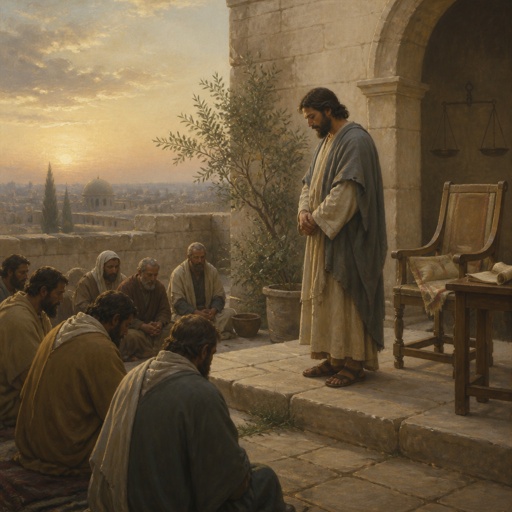
"My brethren, be not many masters, knowing that we shall receive the greater condemnation." - James 3:1

Titus 3:1-2

Titus 3:1-2

James 3:12 - "Can the fig tree, my brethren, bear olive berries? either a vine, figs? so can no fountain both yield salt water and fresh."

Isaiah 12:3 (KJVA) 3 Therefore with joy shall ye draw water out of the wells of salvation.

"Knowing this, that the trying of your faith worketh patience." - James 1:3

"Knowing this, that the trying of your faith worketh patience." - James 1:3

James 1:12 - "Blessed is the man that endureth temptation: for when he is tried, he shall receive the crown of life, which the Lord hath promised to them that love him."

Mark 3:17 - "And James the son of Zebedee, and John the brother of James; and he surnamed them Boanerges, which is, The sons of thunder:"

Acts 12:2 - "And he killed James the brother of John with the sword."

Matthew 17:1-3: After six days Jesus took with him Peter, James and John the brother of James, and led them up a high mountain by themselves. 2 There he was transfigured before them. His face shone like the sun, and his clothes became as white as the light. 3 Just then there appeared before them Moses and Elijah, talking with Jesus.

James 1:1 - "James, a servant of God and of the Lord Jesus Christ, to the twelve tribes which are scattered abroad, greeting."

Matthew 17:1-3: After six days Jesus took with him Peter, James and John the brother of James, and led them up a high mountain by themselves. 2 There he was transfigured before them. His face shone like the sun, and his clothes became as white as the light. 3 Just then there appeared before them Moses and Elijah, talking with Jesus.

Matthew 17:1-3: After six days Jesus took with him Peter, James and John the brother of James, and led them up a high mountain by themselves. 2 There he was transfigured before them. His face shone like the sun, and his clothes became as white as the light. 3 Just then there appeared before them Moses and Elijah, talking with Jesus.

James 1:3-4 - "Because you know that the testing of your faith produces perseverance. Let perseverance finish its work so that you may be mature and complete, not lacking anything."

James 1:2-3 - "Consider it pure joy, my brothers and sisters, whenever you face trials of many kinds, because you know that the testing of your faith produces perseverance."

John 12:3

Revelation 12:3

James

James 2:12 - "So speak ye, and so do, as they that shall be judged by the law of liberty."

Revelation 12:3-9

Colossians 3:12-15

revelation 12:1-3

1 kings 3:12

Genesis 12:1-3

James 3:18 - "And the fruit of righteousness is sown in peace of them that make peace."