What does James 3:1 mean?
"My brethren, be not many masters, knowing that we shall receive the greater condemnation." - James 3:1

James 3:1 in the King James Version of the Bible reads, "My brethren, be not many masters, knowing that we shall receive the greater condemnation." This verse is from the Book of James, which is one of the general epistles in the New Testament. The author, James, is believed to be the half-brother of Jesus and was a leader in the early Christian church in Jerusalem. In this verse, James is addressing a specific issue within the church, namely the desire of many to become teachers or masters in the faith.
The verse begins with "My brethren," indicating that James is speaking to his fellow believers in Christ, addressing them with love and respect as members of the same spiritual family. The term "masters" can also be translated as "teachers" or "leaders," and James is cautioning against there being too many of them within the church. The reason for this caution is given in the latter part of the verse, where James warns that those who take on the role of teachers will be held to a higher level of accountability and judgment.
One of the key themes of this verse is the importance of humility and caution in taking on the role of a teacher or leader within the Christian community. The desire to teach and lead others can be a noble and worthy aspiration, but James is warning against the tendency to seek these roles for the wrong reasons or without the proper qualifications. Instead, James suggests that those who take on the responsibility of teaching should do so with a deep awareness of the greater condemnation and accountability that comes with such a role.
This verse is also in line with other teachings in the New Testament about the qualifications and responsibilities of leaders within the church. In 1 Timothy 3:1-7, the apostle Paul outlines the qualifications for overseers and deacons, emphasizing qualities such as being above reproach, self-controlled, and able to teach. In Titus 1:7-9, Paul again lists the qualifications for elders, including being hospitable, self-controlled, and able to give instruction in sound doctrine.
The context in which James is writing is also important to consider. In the early Christian church, there was a great need for sound teaching and leadership, as well as a desire for spiritual authority and recognition. James is cautioning against the eagerness to attain positions of power and influence within the church without considering the weight of the responsibility that comes with it. He is urging his fellow believers to carefully consider their motives and qualifications before seeking to become teachers or leaders, and to be mindful of the potential consequences of failing to meet the standards of those roles.
Finally, the symbolism in this verse is worth exploring. The term "masters" or "teachers" can be seen as representative of those who are entrusted with the spiritual care and instruction of others. In the same way that a master or teacher holds authority and influence over their students, those who take on the role of teaching within the church hold a position of spiritual authority and influence within the community. The "greater condemnation" mentioned by James can symbolize the higher level of accountability and judgment that comes with this role, as those who teach are held to a higher standard and are responsible for guiding others in their faith and understanding of God's word.
In conclusion, James 3:1 is a verse that speaks to the importance of humility, caution, and accountability in seeking the role of a teacher or leader within the Christian community. It serves as a reminder to carefully consider one's motives and qualifications before taking on such a responsibility, and to be mindful of the potential consequences of failing to meet the standards of those roles. This verse also emphasizes the weight of the responsibility and the need for sound teaching and leadership within the church, highlighting the importance of these roles in nurturing and guiding the faith of believers.
Have questions about James 3:1?
Dive deeper into this scripture with Bible Chat — an AI-powered tool for exploring God's Word through conversation. Ask questions, get context, and grow in your understanding of the Bible.
Get Our Apps


James 3:1 Artwork

James 3:1 - "My brethren, be not many masters, knowing that we shall receive the greater condemnation."
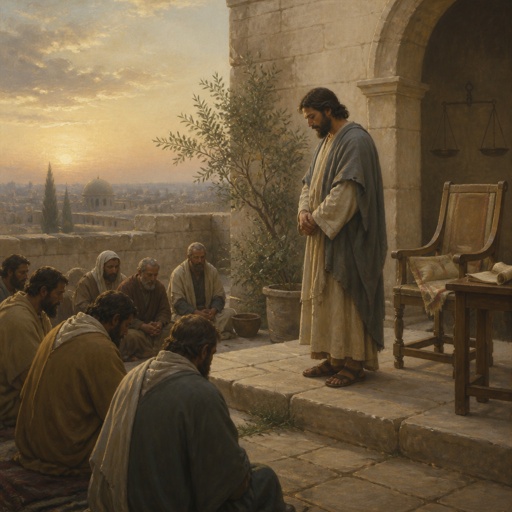
"My brethren, be not many masters, knowing that we shall receive the greater condemnation." - James 3:1
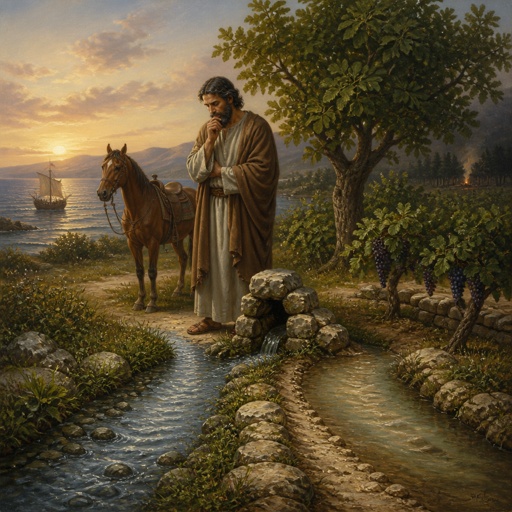
"Not many of you should become teachers, my fellow believers, because you know that we who teach will be judged more strictly. We all stumble in many ways. Anyone who is never at fault in what they say is perfect, able to keep their whole body in check. When we put bits into the mouths of horses to make them obey us, we can turn the whole animal. Or take ships as an example. Although they are so large and are driven by strong winds, they are steered by a very small rudder wherever the pilot wants to go. Likewise, the tongue is a small part of the body, but it makes great boasts. Consider what a great forest is set on fire by a small spark. The tongue also is a fire, a world of evil among the parts of the body. It corrupts the whole body, sets the whole course of one’s life on fire, and is itself set on fire by hell. All kinds of animals, birds, reptiles and sea creatures are being tamed and have been tamed by mankind, but no human being can tame the tongue. It is a restless evil, full of deadly poison. With the tongue we praise our Lord and Father, and with it we curse human beings, who have been made in God’s likeness. Out of the same mouth come praise and cursing. My brothers and sisters, this should not be. Can both fresh water and salt water flow from the same spring? My brothers and sisters, can a fig tree bear olives, or a grapevine bear figs? Neither can a salt spring produce fresh water." - James 3:1-12

James 3:1-12 - "Not many of you should become teachers, my fellow believers, because you know that we who teach will be judged more strictly. We all stumble in many ways. Anyone who is never at fault in what they say is perfect, able to keep their whole body in check. When we put bits into the mouths of horses to make them obey us, we can turn the whole animal. Or take ships as an example. Although they are so large and are driven by strong winds, they are steered by a very small rudder wherever the pilot wants to go. Likewise, the tongue is a small part of the body, but it makes great boasts. Consider what a great forest is set on fire by a small spark. The tongue also is a fire, a world of evil among the parts of the body. It corrupts the whole body, sets the whole course of one’s life on fire, and is itself set on fire by hell. All kinds of animals, birds, reptiles and sea creatures are being tamed and have been tamed by mankind, but no human being can tame the tongue. It is a restless evil, full of deadly poison. With the tongue we praise our Lord and Father, and with it we curse human beings, who have been made in God’s likeness. Out of the same mouth come praise and cursing. My brothers and sisters, this should not be. Can both fresh water and salt water flow from the same spring? My brothers and sisters, can a fig tree bear olives, or a grapevine bear figs? Neither can a salt spring produce fresh water."

James 1:3 - "Knowing this, that the trying of your faith worketh patience."

"Knowing this, that the trying of your faith worketh patience." - James 1:3

"Knowing this, that the trying of your faith worketh patience." - James 1:3

Mark 3:17 - "And James the son of Zebedee, and John the brother of James; and he surnamed them Boanerges, which is, The sons of thunder:"

Matthew 17:1-3: After six days Jesus took with him Peter, James and John the brother of James, and led them up a high mountain by themselves. 2 There he was transfigured before them. His face shone like the sun, and his clothes became as white as the light. 3 Just then there appeared before them Moses and Elijah, talking with Jesus.

James 1:1 - "James, a servant of God and of the Lord Jesus Christ, to the twelve tribes which are scattered abroad, greeting."

Matthew 17:1-3: After six days Jesus took with him Peter, James and John the brother of James, and led them up a high mountain by themselves. 2 There he was transfigured before them. His face shone like the sun, and his clothes became as white as the light. 3 Just then there appeared before them Moses and Elijah, talking with Jesus.

Matthew 17:1-3: After six days Jesus took with him Peter, James and John the brother of James, and led them up a high mountain by themselves. 2 There he was transfigured before them. His face shone like the sun, and his clothes became as white as the light. 3 Just then there appeared before them Moses and Elijah, talking with Jesus.

James 1:3-4 - "Because you know that the testing of your faith produces perseverance. Let perseverance finish its work so that you may be mature and complete, not lacking anything."

James 1:2-3 - "Consider it pure joy, my brothers and sisters, whenever you face trials of many kinds, because you know that the testing of your faith produces perseverance."

James

James 3:18 - "And the fruit of righteousness is sown in peace of them that make peace."

James 3:15 - "This wisdom descendeth not from above, but is earthly, sensual, devilish."

James 3:16 - "For where envying and strife is, there is confusion and every evil work."

James 3:3 - "Behold, we put bits in the horses' mouths, that they may obey us; and we turn about their whole body."

James 1: 2-4

James 1:2-4

James 1:17-22

James 3:11 - "Doth a fountain send forth at the same place sweet water and bitter?"

James 3:8 - "But the tongue can no man tame; it is an unruly evil, full of deadly poison."

James 1:17

James 1:19

James 1:17

James 1:17

James 1:9

James 1:17