What does James 2:6 mean?
"But ye have despised the poor. Do not rich men oppress you, and draw you before the judgment seats?" - James 2:6
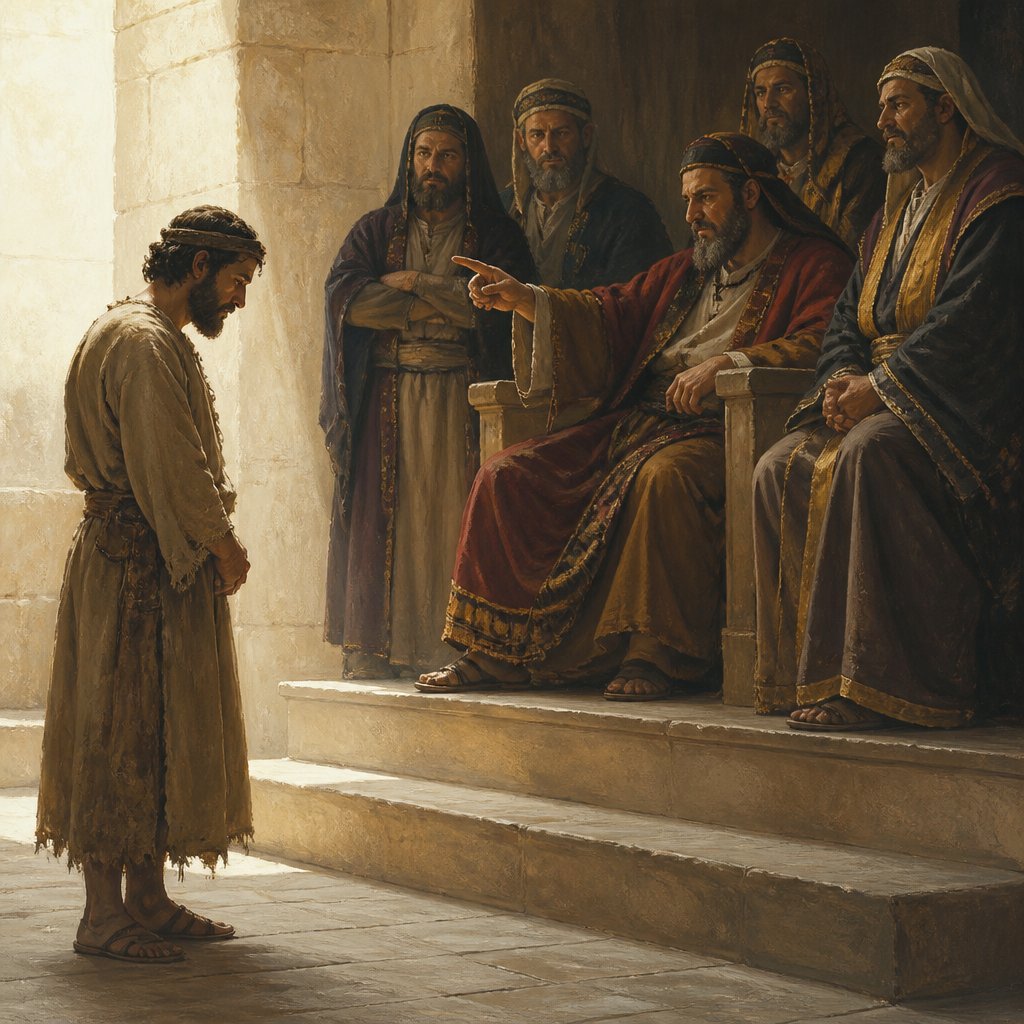
James 2:6 (KJV) states, "But ye have despised the poor. Do not rich men oppress you, and draw you before the judgment seats?"
This verse from the book of James addresses the issue of prejudice and favoritism within the Christian community. It highlights the sin of showing partiality and favoritism towards the rich while mistreating the poor. James, the author of this epistle, expounds on the need for Christians to treat all individuals with equality and love, regardless of their social status or economic standing.
The context of this verse is important to understand its significance. James, the half-brother of Jesus, wrote this epistle to the early Jewish Christian believers who were scattered abroad due to persecution. He addressed various practical issues concerning Christian living and urged the readers to practice genuine faith through their actions.
In the preceding verses, James condemns the sin of showing favoritism, particularly when a wealthy person is given preferential treatment over a poor person in the Christian assembly. He questions the sense in honoring the rich while dishonoring the poor, emphasizing that such behavior is contrary to the principles of the gospel. James points out that the rich oppress and exploit the believers, yet they are being esteemed within the Christian community. He calls out the hypocrisy of the believers in discriminating between the rich and the poor, reminding them of God's impartial judgment.
The theme of this verse revolves around the concepts of justice, equality, and impartiality. James challenges the readers to reflect on their attitudes and actions towards the economically disadvantaged members of society. He advocates for a social ethic based on the teachings of Jesus Christ, where all individuals are treated with dignity and respect, irrespective of their financial standing.
The symbolism in this verse lies in the contrast between the rich and the poor. The rich symbolize power, influence, and privilege, while the poor symbolize vulnerability, marginalization, and oppression. James highlights the irony of the believers' behavior in showing favoritism towards the very individuals who oppress them, while disregarding those who are in need. The underlying message is that God's kingdom operates on different principles than the world, and Christians are called to embody these principles in their interactions with others.
Furthermore, the verse underscores the biblical concept of God's impartiality and justice. In the face of societal discrimination and inequality, James reminds the believers that God does not show partiality based on wealth or social status. The rich and the poor stand on equal ground before God, and He expects His followers to uphold this principle in their conduct towards others.
In conclusion, James 2:6 is a powerful reminder of the Christian duty to exercise justice and mercy towards all individuals, regardless of their economic status. It challenges the believers to confront their biases and to embody the love of Christ in their relationships with others. This verse serves as a call to action for Christians to advocate for social justice and to actively combat the sin of favoritism in all its forms. As we apply the principles of this passage to our lives, may we seek to emulate God's impartiality and love towards all people.
Have questions about James 2:6?
Dive deeper into this scripture with Bible Chat — an AI-powered tool for exploring God's Word through conversation. Ask questions, get context, and grow in your understanding of the Bible.
Get Our Apps


James 2:6 Artwork

James 2:6 - "But ye have despised the poor. Do not rich men oppress you, and draw you before the judgment seats?"
"But ye have despised the poor. Do not rich men oppress you, and draw you before the judgment seats?" - James 2:6

James 2:2-4

Luke 6:15 - "Matthew and Thomas, James the son of Alphaeus, and Simon called Zelotes,"

Luke 6:16 - "And Judas the brother of James, and Judas Iscariot, which also was the traitor."

james 2:26

James 5:6 - "Ye have condemned and killed the just; and he doth not resist you."

James 1:2-13

James 1: 2-4

James 1:2-13

James 1:2-4

Luke 6:14 - "Simon, (whom he also named Peter,) and Andrew his brother, James and John, Philip and Bartholomew,"

James 5:2 - "Your riches are corrupted, and your garments are motheaten."

Acts 12:2 - "And he killed James the brother of John with the sword."

James 4:6 - "But he giveth more grace. Wherefore he saith, God resisteth the proud, but giveth grace unto the humble."

James 1:6 - "But let him ask in faith, nothing wavering. For he that wavereth is like a wave of the sea driven with the wind and tossed."

James 2:15 - "If a brother or sister be naked, and destitute of daily food,"

1Jn 2:6 (KJVA) 6 He that saith he abideth in him ought himself also so to walk, even as he walked.

Mark 6:3 - "Is not this the carpenter, the son of Mary, the brother of James, and Joses, and of Juda, and Simon? and are not his sisters here with us? And they were offended at him."

James 2:4 - "Are ye not then partial in yourselves, and are become judges of evil thoughts?"
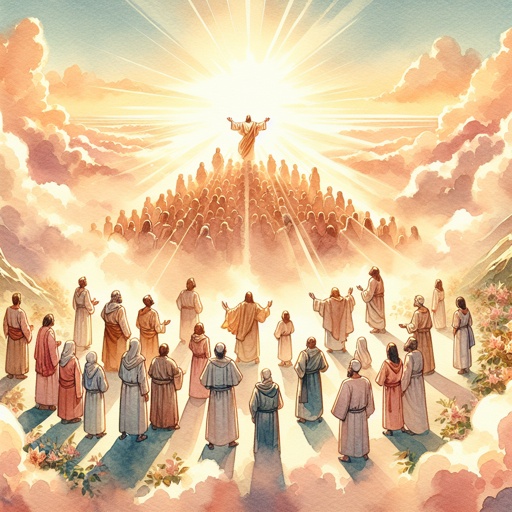
Ephesians 2:6 (KJVA) 6 And hath raised us up together, and made us sit together in heavenly places in Christ Jesus:

James 2:7 - "Do not they blaspheme that worthy name by the which ye are called?"

James 2:17 - "Even so faith, if it hath not works, is dead, being alone."

James 2:24 - "Ye see then how that by works a man is justified, and not by faith only."

James 2:12 - "So speak ye, and so do, as they that shall be judged by the law of liberty."

James 2:2 - "For if there come unto your assembly a man with a gold ring, in goodly apparel, and there come in also a poor man in vile raiment;"
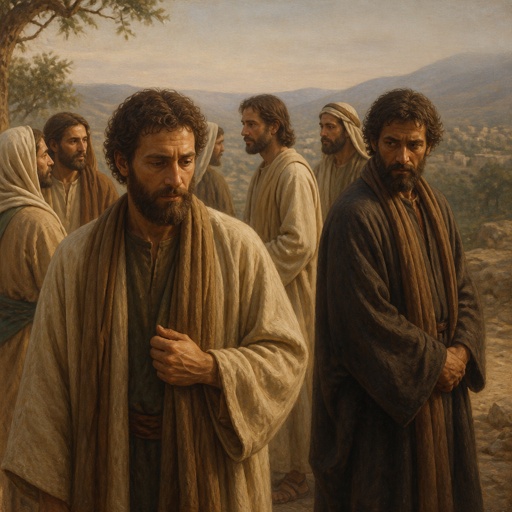
"And Judas the brother of James, and Judas Iscariot, which also was the traitor." - Luke 6:16
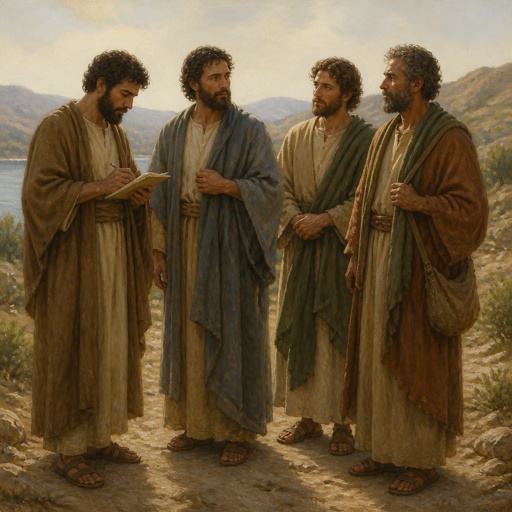
"Matthew and Thomas, James the son of Alphaeus, and Simon called Zelotes," - Luke 6:15

James 2:26 - "For as the body without the spirit is dead, so faith without works is dead also."

James 1:2 - "My brethren, count it all joy when ye fall into divers temptations;"