What does James 2:1-13 mean?
"My brethren, have not the faith of our Lord Jesus Christ, the Lord of glory, with respect of persons. For if there come unto your assembly a man with a gold ring, in goodly apparel, and there come in also a poor man in vile raiment; And ye have respect to him that weareth the gay clothing, and say unto him, Sit thou here in a good place; and say to the poor, Stand thou there, or sit here under my footstool: Are ye not then partial in yourselves, and are become judges of evil thoughts? Hearken, my beloved brethren, Hath not God chosen the poor of this world rich in faith, and heirs of the kingdom which he hath promised to them that love him? But ye have despised the poor. Do not rich men oppress you, and draw you before the judgment seats? Do not they blaspheme that worthy name by the which ye are called? If ye fulfil the royal law according to the scripture, Thou shalt love thy neighbour as thyself, ye do well: But if ye have respect to persons, ye commit sin, and are convinced of the law as transgressors. For whosoever shall keep the whole law, and yet offend in one point, he is guilty of all. For he that said, Do not commit adultery, said also, Do not kill. Now if thou commit no adultery, yet if thou kill, thou art become a transgressor of the law. So speak ye, and so do, as they that shall be judged by the law of liberty. For he shall have judgment without mercy, that hath shewed no mercy; and mercy rejoiceth against judgment." - James 2:1-13
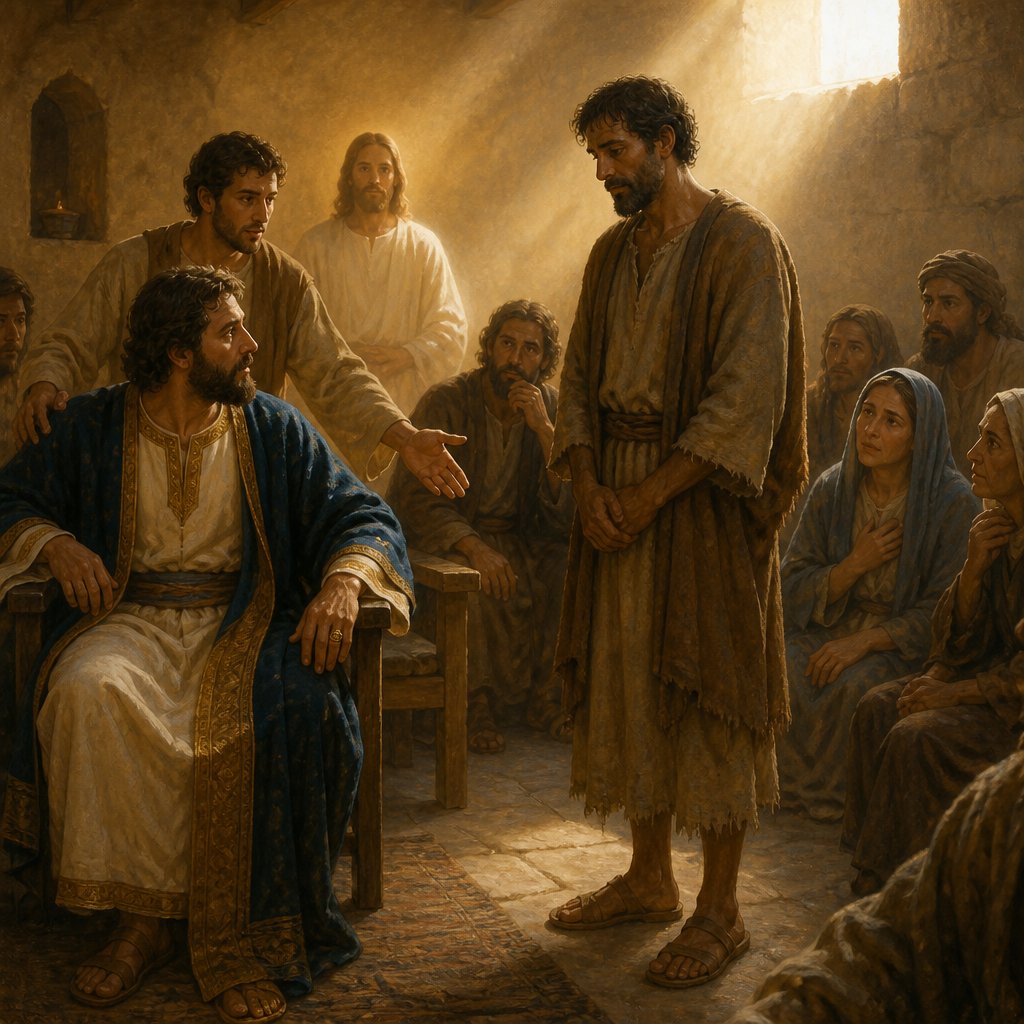
The biblical passage James 2:1-13 is a powerful and thought-provoking exploration of the themes of faith, judgment, and mercy. In this passage, the author James, often thought to be the brother of Jesus, addresses the issue of favoritism and discrimination within the Christian community. Through his words, James challenges believers to live out their faith in a way that honors God's commandments and demonstrates genuine love for others.
The passage begins with a strong admonition against showing favoritism, particularly towards the wealthy and powerful. James writes, "My brethren, have not the faith of our Lord Jesus Christ, the Lord of glory, with respect of persons" (James 2:1, KJV). This verse sets the tone for the entire passage, as James emphasizes the importance of maintaining impartiality and equality within the Christian community. He goes on to describe a scenario where two individuals enter a gathering: one is richly dressed, and the other is in poor clothing. James observes how the congregation treats each person differently, with the rich man being given preferential treatment while the poor man is marginalized. This scenario highlights the pervasive problem of favoritism, as well as the sinful nature of judging others based on outward appearances.
James then shifts his focus to the inherent hypocrisy of showing partiality. He questions the audience, asking, "Hath not God chosen the poor of this world rich in faith, and heirs of the kingdom which he hath promised to them that love him? But ye have despised the poor" (James 2:5-6, KJV). In these verses, James challenges his readers to consider God's heart for the marginalized and oppressed. He reminds them that God's kingdom is not defined by worldly status or wealth but by genuine faith and love for Him. By favoring the wealthy and disregarding the poor, the believers are acting in direct opposition to God's will and teachings.
The passage continues with a sobering reminder of the command to love our neighbors as ourselves. James emphasizes that showing favoritism is a violation of the royal law, which he defines as "Thou shalt love thy neighbour as thyself" (James 2:8, KJV). By emphasizing the importance of loving others as oneself, James echoes the teachings of Jesus and reinforces the fundamental principle of Christian ethics. He points out that if believers show favoritism, they are committing sin and transgressing the law.
James concludes this passage with a powerful reflection on judgment and mercy. He warns that those who show no mercy will face judgment without mercy, but those who show mercy will be shown mercy. This statement underscores the importance of extending grace and compassion to others, regardless of their outward circumstances. It also reflects the teachings of Jesus, who consistently emphasized the value of mercy and forgiveness.
The context of this passage is essential in understanding its significance. James is writing to early Christian communities facing various challenges and trials. In this particular passage, he addresses the issue of favoritism, which was likely a prevalent problem in these communities. The early church comprised people from diverse socioeconomic backgrounds, and the temptation to show partiality towards the wealthy and influential would have been a constant struggle. James' words serve as a timeless reminder for all believers to uphold the principles of justice, equality, and love in their interactions with others.
Symbolism plays a significant role in this passage, particularly in James' use of contrasting imagery. The rich and poor individuals mentioned in the passage serve as symbols of social status and privilege. James uses this dichotomy to illustrate the dangers of valuing outward appearances over inner worth. The rich man's fine clothing represents worldly success and influence, while the poor man's shabby garments symbolize poverty and marginalization. Through this symbolism, James challenges the readers to reassess their attitudes towards social status and material wealth, urging them to see beyond external trappings and recognize the inherent value of all individuals.
In conclusion, James 2:1-13 offers a profound exploration of faith, judgment, and mercy, challenging believers to examine their attitudes and actions towards others. By condemning favoritism and emphasizing the importance of love and mercy, James calls on Christians to live out their faith in a way that reflects God's heart for justice and equality. This passage continues to resonate with believers today, serving as a powerful reminder to prioritize humility, compassion, and genuine love for all.
Have questions about James 2:1-13?
Dive deeper into this scripture with Bible Chat — an AI-powered tool for exploring God's Word through conversation. Ask questions, get context, and grow in your understanding of the Bible.
Get Our Apps


James 2:1-13 Artwork

James 2:1-13 - "My brethren, have not the faith of our Lord Jesus Christ, the Lord of glory, with respect of persons. For if there come unto your assembly a man with a gold ring, in goodly apparel, and there come in also a poor man in vile raiment; And ye have respect to him that weareth the gay clothing, and say unto him, Sit thou here in a good place; and say to the poor, Stand thou there, or sit here under my footstool: Are ye not then partial in yourselves, and are become judges of evil thoughts? Hearken, my beloved brethren, Hath not God chosen the poor of this world rich in faith, and heirs of the kingdom which he hath promised to them that love him? But ye have despised the poor. Do not rich men oppress you, and draw you before the judgment seats? Do not they blaspheme that worthy name by the which ye are called? If ye fulfil the royal law according to the scripture, Thou shalt love thy neighbour as thyself, ye do well: But if ye have respect to persons, ye commit sin, and are convinced of the law as transgressors. For whosoever shall keep the whole law, and yet offend in one point, he is guilty of all. For he that said, Do not commit adultery, said also, Do not kill. Now if thou commit no adultery, yet if thou kill, thou art become a transgressor of the law. So speak ye, and so do, as they that shall be judged by the law of liberty. For he shall have judgment without mercy, that hath shewed no mercy; and mercy rejoiceth against judgment."
"My brethren, have not the faith of our Lord Jesus Christ, the Lord of glory, with respect of persons. For if there come unto your assembly a man with a gold ring, in goodly apparel, and there come in also a poor man in vile raiment; And ye have respect to him that weareth the gay clothing, and say unto him, Sit thou here in a good place; and say to the poor, Stand thou there, or sit here under my footstool: Are ye not then partial in yourselves, and are become judges of evil thoughts? Hearken, my beloved brethren, Hath not God chosen the poor of this world rich in faith, and heirs of the kingdom which he hath promised to them that love him? But ye have despised the poor. Do not rich men oppress you, and draw you before the judgment seats? Do not they blaspheme that worthy name by the which ye are called? If ye fulfil the royal law according to the scripture, Thou shalt love thy neighbour as thyself, ye do well: But if ye have respect to persons, ye commit sin, and are convinced of the law as transgressors. For whosoever shall keep the whole law, and yet offend in one point, he is guilty of all. For he that said, Do not commit adultery, said also, Do not kill. Now if thou commit no adultery, yet if thou kill, thou art become a transgressor of the law. So speak ye, and so do, as they that shall be judged by the law of liberty. For he shall have judgment without mercy, that hath shewed no mercy; and mercy rejoiceth against judgment." - James 2:1-13

James 1:2-13

James 1:2-13

Acts 1:13 - "And when they were come in, they went up into an upper room, where abode both Peter, and James, and John, and Andrew, Philip, and Thomas, Bartholomew, and Matthew, James the son of Alphaeus, and Simon Zelotes, and Judas the brother of James."

James 2:2-4

James 1: 2-4

James 1:2-4

Habakkuk 2:1-3

James 2:13 - "For he shall have judgment without mercy, that hath shewed no mercy; and mercy rejoiceth against judgment."

James 2:1 - "My brethren, have not the faith of our Lord Jesus Christ, the Lord of glory, with respect of persons."

James 1:2 - "My brethren, count it all joy when ye fall into divers temptations;"

James 1:13 - "Let no man say when he is tempted, I am tempted of God: for God cannot be tempted with evil, neither tempteth he any man:"

James 1:1 - "James, a servant of God and of the Lord Jesus Christ, to the twelve tribes which are scattered abroad, greeting."
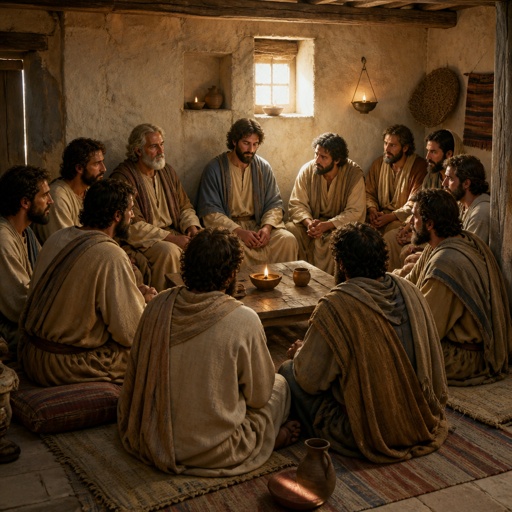
"And when they were come in, they went up into an upper room, where abode both Peter, and James, and John, and Andrew, Philip, and Thomas, Bartholomew, and Matthew, James the son of Alphaeus, and Simon Zelotes, and Judas the brother of James." - Acts 1:13
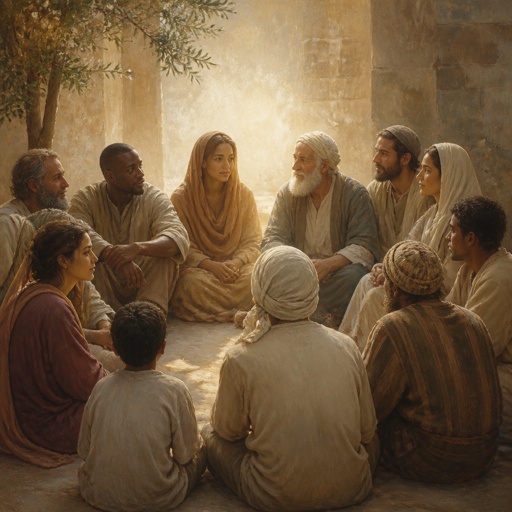
"My brethren, have not the faith of our Lord Jesus Christ, the Lord of glory, with respect of persons." - James 2:1

James
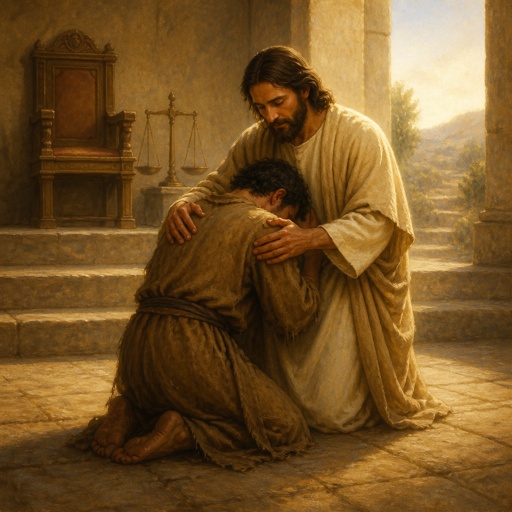
"For he shall have judgment without mercy, that hath shewed no mercy; and mercy rejoiceth against judgment." - James 2:13

james 2:26

Matthew 13:55 - "Is not this the carpenter's son? is not his mother called Mary? and his brethren, James, and Joses, and Simon, and Judas?"

Acts 15:13 - "¶ And after they had held their peace, James answered, saying, Men and brethren, hearken unto me:"

James 1:17-22

James 1:2-3 - "Consider it pure joy, my brothers and sisters, whenever you face trials of many kinds, because you know that the testing of your faith produces perseverance."

James 1:17

James 1:19

James 1:17

James 1:17

James 1:9

James 1:17

James 1:10