What does Isaiah 9:4 mean?
"For thou hast broken the yoke of his burden, and the staff of his shoulder, the rod of his oppressor, as in the day of Midian." - Isaiah 9:4
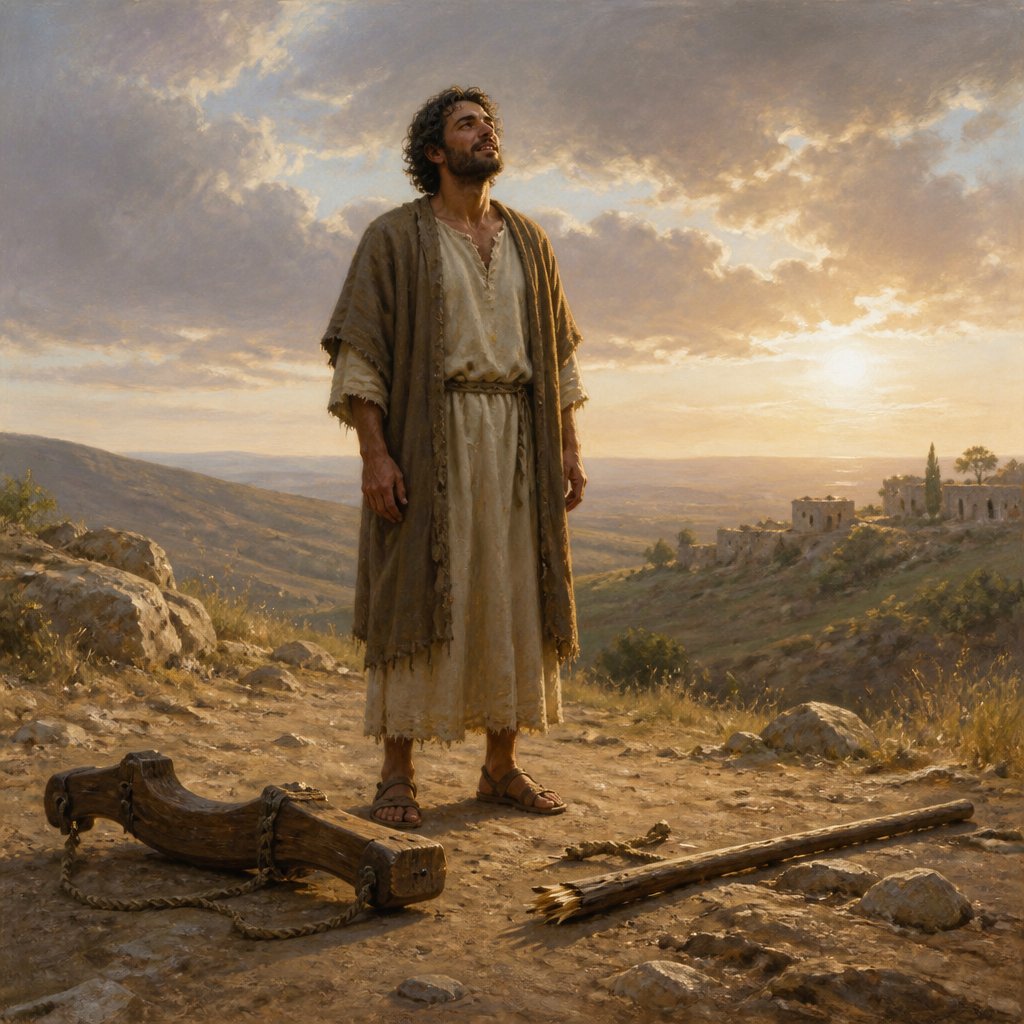
Isaiah 9:4, according to the King James Version of the Bible, states, "For thou hast broken the yoke of his burden, and the staff of his shoulder, the rod of his oppressor, as in the day of Midian." This verse is part of a larger passage in the Book of Isaiah that foretells the coming of the Messiah, the deliverance of God's people, and the establishment of a peaceful and just kingdom.
In order to understand the full meaning and significance of Isaiah 9:4, it is important to consider the historical context in which it was written. Isaiah was a prophet who ministered in the southern kingdom of Judah during a time of political instability and moral decay. The people of Judah were facing the threat of invasion and the prospect of exile due to their disobedience and unfaithfulness to God. In the midst of this turmoil, Isaiah was called by God to deliver a message of hope and redemption to the people.
The verse speaks of a dramatic and decisive intervention on behalf of God's people. The "yoke of his burden" and "the staff of his shoulder" are symbols of oppression and hardship, signifying the heavy burdens placed upon the people by their enemies. The "rod of his oppressor" alludes to the tyrannical rule and cruel treatment that the people endured. However, the phrase "as in the day of Midian" refers to the historical precedent of God's deliverance of the Israelites from the Midianites, as recorded in the book of Judges. This reference serves to remind the people of God's faithfulness and his ability to rescue them from their enemies.
The imagery in this verse portrays a powerful and victorious God who is able to free his people from the weight of their oppression. It reflects the promise of liberation and deliverance that God offers to those who are burdened and oppressed. This verse conveys the message that God will not allow the oppressive forces of the world to prevail and that he will come to the aid of his people in their time of need.
The broader theme of deliverance and liberation is a central motif in the Book of Isaiah. Throughout the book, Isaiah proclaims the coming of a Savior who will bring about a new era of peace, justice, and righteousness. The imagery used in Isaiah 9:4 points to the ultimate fulfillment of this promise in the person of Jesus Christ, who embodies the long-awaited deliverance and freedom for God's people.
The verse also conveys a sense of hope and encouragement to the people of Judah who were facing difficult circumstances. It reassures them that their present suffering will not last forever and that God will intervene on their behalf. This message would have been particularly comforting to the original audience of Isaiah's prophecy, as they were living in a time of great uncertainty and fear.
In conclusion, Isaiah 9:4 is a powerful and evocative verse that speaks to the universal human experience of oppression and hardship. It offers a message of hope, deliverance, and liberation, pointing to the ultimate fulfillment of these promises in the person of Jesus Christ. The verse serves as a reminder of God's faithfulness, his ability to rescue his people from their enemies, and his promise to bring about a new era of peace and justice. It continues to resonate with believers today as a source of comfort and assurance in the midst of trials and tribulations.
Have questions about Isaiah 9:4?
Dive deeper into this scripture with Bible Chat — an AI-powered tool for exploring God's Word through conversation. Ask questions, get context, and grow in your understanding of the Bible.
Get Our Apps


Isaiah 9:4 Artwork

Isaiah 9:4 - "For thou hast broken the yoke of his burden, and the staff of his shoulder, the rod of his oppressor, as in the day of Midian."
"For thou hast broken the yoke of his burden, and the staff of his shoulder, the rod of his oppressor, as in the day of Midian." - Isaiah 9:4

Isaiah 9:1-4

Isaiah 38:4 - "¶ Then came the word of the LORD to Isaiah, saying,"

Isaiah 9:6

Isaiah 9:6

Isaiah 9:6

Isaiah 9:6

Isaiah 11:1-9

Isaiah 50:7–9

Isaiah 11:1-9

Isaiah 11:1-9

Isaiah 40:4

Isaiah 29:4

Isaiah 9:9 - "And all the people shall know, even Ephraim and the inhabitant of Samaria, that say in the pride and stoutness of heart,"

Isaiah 29:4

"¶ Then came the word of the LORD to Isaiah, saying," - Isaiah 38:4

Isaiah 10:9 - "Is not Calno as Carchemish? is not Hamath as Arpad? is not Samaria as Damascus?"

Isaiah 6:4-7

Isaiah 30:9 - "That this is a rebellious people, lying children, children that will not hear the law of the LORD:"

Isaiah 9:16 - "For the leaders of this people cause them to err; and they that are led of them are destroyed."

Isaiah 19:9 - "Moreover they that work in fine flax, and they that weave networks, shall be confounded."

Isaiah 9:8 - "¶ The Lord sent a word into Jacob, and it hath lighted upon Israel."

Isaiah 9:15 - "The ancient and honourable, he is the head; and the prophet that teacheth lies, he is the tail."

Isaiah 24:9 - "They shall not drink wine with a song; strong drink shall be bitter to them that drink it."

Isaiah 30:4 - "For his princes were at Zoan, and his ambassadors came to Hanes."

Isaiah 56:9 - "¶ All ye beasts of the field, come to devour, yea, all ye beasts in the forest."

Isaiah 9:13 - "¶ For the people turneth not unto him that smiteth them, neither do they seek the LORD of hosts."

Isaiah 2:9 - "And the mean man boweth down, and the great man humbleth himself: therefore forgive them not."

Isaiah 44:4 - "And they shall spring up as among the grass, as willows by the water courses."