What does Isaiah 9:1 mean?
"Nevertheless the dimness shall not be such as was in her vexation, when at the first he lightly afflicted the land of Zebulun and the land of Naphtali, and afterward did more grievously afflict her by the way of the sea, beyond Jordan, in Galilee of the nations." - Isaiah 9:1
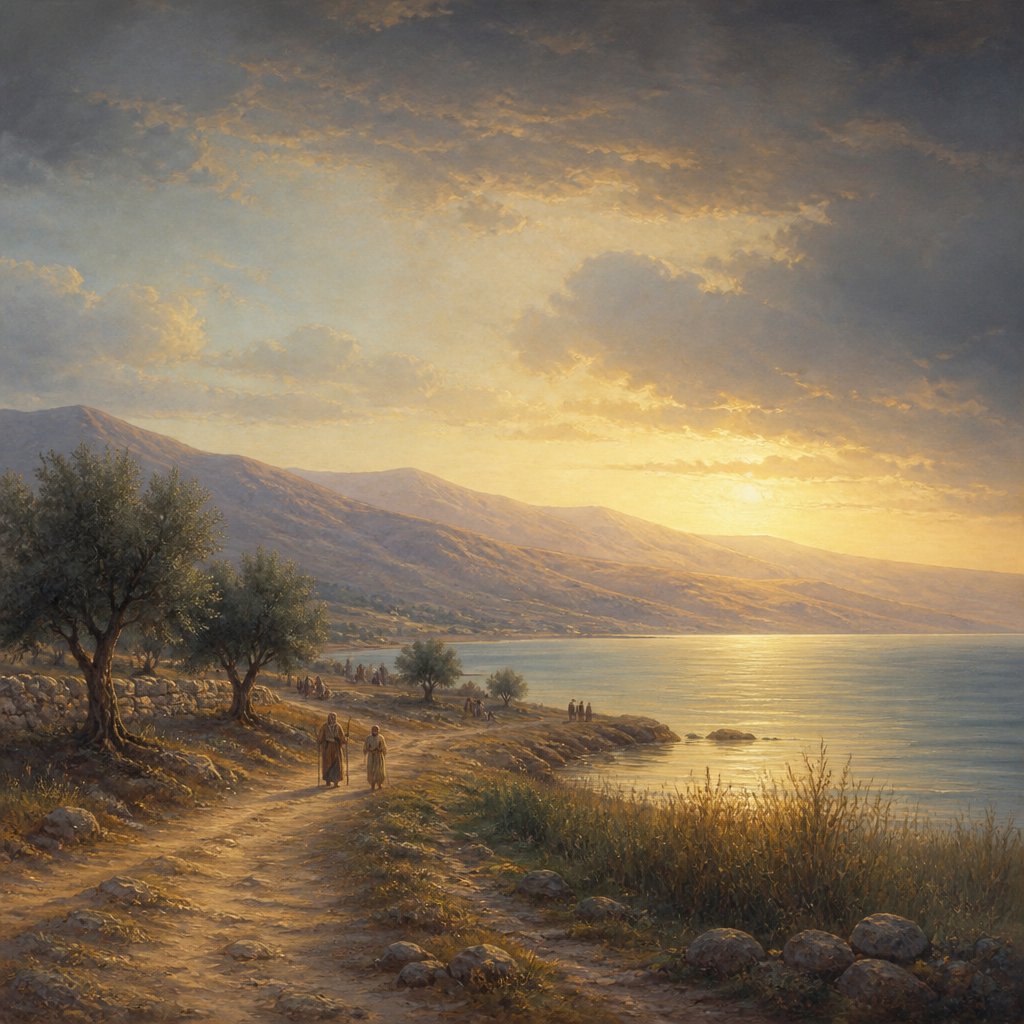
Isaiah 9:1 (KJV) - "Nevertheless the dimness shall not be such as was in her vexation, when at the first he lightly afflicted the land of Zebulun and the land of Naphtali, and afterward did more grievously afflict her by the way of the sea, beyond Jordan, in Galilee of the nations."
In order to fully understand the meaning and significance of Isaiah 9:1, it is important to consider the context in which it was written. The book of Isaiah is a prophetic book in the Old Testament and is attributed to the prophet Isaiah, who ministered during the reigns of several kings of Judah. The verse in question is part of a larger passage in which the prophet Isaiah offers a message of hope and deliverance to the people of Israel, who were facing difficult times and the threat of impending judgment.
The verse begins with the word "Nevertheless," which indicates a contrast or shift in the tone of the message. It suggests that despite the difficult circumstances and the dimness that currently shrouds the land, there is hope for a brighter future. The "dimness" referred to in the verse could represent the spiritual and moral darkness that had engulfed the people of Israel, as well as the political and social turmoil they were experiencing. Despite this, the prophet Isaiah assures the people that their current situation will not be as severe as past afflictions, and that there is hope for a better future.
The mention of the land of Zebulun and the land of Naphtali is significant, as these were regions in the northern part of Israel that were the first to bear the brunt of Assyrian invasion and oppression. The prophet Isaiah is reminding the people of the hardships they endured in the past, when the land was lightly afflicted, but he also offers a message of comfort by assuring them that the future affliction will not be as severe. This serves as a reminder of God's faithfulness and the promise of deliverance for His people, even in the midst of adversity.
The mention of Galilee of the nations and the way of the sea beyond Jordan is also significant, as it highlights the specific geographical location where the people of Israel were suffering. The use of these specific locations not only serves to provide historical context, but also to demonstrate that God is aware of the exact circumstances and locations in which His people are facing difficulty. This reinforces the message of hope and deliverance, as it conveys the idea that God is intimately familiar with the struggles of His people and is actively working to bring about their deliverance.
Furthermore, the mention of Galilee is also significant in a symbolic sense, as it foreshadows the later ministry of Jesus Christ, who would spend much of His time teaching and performing miracles in the region of Galilee. This verse serves as a foreshadowing of the coming Messiah and the hope of salvation that He would bring to the people. This ties in with the broader theme of redemption and deliverance that runs throughout the book of Isaiah, as the prophet consistently points to the future coming of a savior who will bring about the ultimate deliverance of God's people.
In conclusion, Isaiah 9:1 is a powerful reminder of God's faithfulness and the hope of deliverance that He offers to His people. It serves as a message of comfort and assurance in the midst of adversity, and it points to the future coming of a savior who will bring about the ultimate redemption of God's people. The verse is rich in both historical and symbolic significance, and it is a testament to the enduring relevance and power of God's promises as recorded in the Scriptures.
Have questions about Isaiah 9:1?
Dive deeper into this scripture with Bible Chat — an AI-powered tool for exploring God's Word through conversation. Ask questions, get context, and grow in your understanding of the Bible.
Get Our Apps


Isaiah 9:1 Artwork

Isaiah 9:1-4

Isaiah 9:1 - "Nevertheless the dimness shall not be such as was in her vexation, when at the first he lightly afflicted the land of Zebulun and the land of Naphtali, and afterward did more grievously afflict her by the way of the sea, beyond Jordan, in Galilee of the nations."
"Nevertheless the dimness shall not be such as was in her vexation, when at the first he lightly afflicted the land of Zebulun and the land of Naphtali, and afterward did more grievously afflict her by the way of the sea, beyond Jordan, in Galilee of the nations." - Isaiah 9:1

Isaiah 11:1-9

Isaiah 11:1-9

Isaiah 11:1-9

Isaiah 9:6

Isaiah 9:6

Isaiah 9:6

Isaiah 9:6

Isaiah 1:9 - "Except the LORD of hosts had left unto us a very small remnant, we should have been as Sodom, and we should have been like unto Gomorrah."

Isaiah 50:7–9

Isaiah 9:9 - "And all the people shall know, even Ephraim and the inhabitant of Samaria, that say in the pride and stoutness of heart,"

Isaiah 10:9 - "Is not Calno as Carchemish? is not Hamath as Arpad? is not Samaria as Damascus?"

Isaiah 30:9 - "That this is a rebellious people, lying children, children that will not hear the law of the LORD:"

Isaiah 9:16 - "For the leaders of this people cause them to err; and they that are led of them are destroyed."

Isaiah 19:9 - "Moreover they that work in fine flax, and they that weave networks, shall be confounded."

Isaiah 9:8 - "¶ The Lord sent a word into Jacob, and it hath lighted upon Israel."

Isaiah 9:15 - "The ancient and honourable, he is the head; and the prophet that teacheth lies, he is the tail."

Isaiah 24:9 - "They shall not drink wine with a song; strong drink shall be bitter to them that drink it."

Isaiah 56:9 - "¶ All ye beasts of the field, come to devour, yea, all ye beasts in the forest."

Isaiah 9:13 - "¶ For the people turneth not unto him that smiteth them, neither do they seek the LORD of hosts."

Isaiah 2:9 - "And the mean man boweth down, and the great man humbleth himself: therefore forgive them not."

Isaiah 2:1 - "The word that Isaiah the son of Amoz saw concerning Judah and Jerusalem."

Isaiah 1:1 - "The vision of Isaiah the son of Amoz, which he saw concerning Judah and Jerusalem in the days of Uzziah, Jotham, Ahaz, and Hezekiah, kings of Judah."

Isaiah 9:14 - "Therefore the LORD will cut off from Israel head and tail, branch and rush, in one day."

Isaiah 38:9 - "¶ The writing of Hezekiah king of Judah, when he had been sick, and was recovered of his sickness:"

Isaiah 29:9 - "¶ Stay yourselves, and wonder; cry ye out, and cry: they are drunken, but not with wine; they stagger, but not with strong drink."

Isaiah 9:5 - "For every battle of the warrior is with confused noise, and garments rolled in blood; but this shall be with burning and fuel of fire."

Isaiah 13:1 - "The burden of Babylon, which Isaiah the son of Amoz did see."