What does Isaiah 8:13 mean?
"Sanctify the LORD of hosts himself; and let him be your fear, and let him be your dread." - Isaiah 8:13

Isaiah 8:13 (KJV) says: "Sanctify the LORD of hosts himself; and let him be your fear, and let him be your dread."
The book of Isaiah is a significant prophetic work in the Bible and Isaiah 8:13 is a verse that speaks to the reverence and fear we should have for the Lord. In order to fully understand its meaning and commentary, we must examine the context and the themes present in the book of Isaiah.
Firstly, the book of Isaiah is attributed to the prophet Isaiah, who lived in the 8th century BCE. Isaiah prophesied during a time of great political turmoil and social injustice in the nation of Judah. The people had turned away from God, engaging in idolatry and immorality, and as a result, they were experiencing the consequences in the form of military threats and foreign invasion.
The verse Isaiah 8:13 is set in the context of a message from Isaiah to the people of Judah, urging them to put their trust and fear in the Lord, rather than in alliances with foreign nations. The verse is part of a larger passage in which Isaiah warns the people about the impending Assyrian invasion and calls them to put their faith in God alone.
The themes present in Isaiah 8:13 can be seen in the larger context of the book of Isaiah, which include faith, trust, and the fear of the Lord. The verse calls the people to sanctify the Lord of hosts, which means to set Him apart as holy and to acknowledge His sovereignty over all things. This is a call to the people to recognize the greatness and majesty of God and to honor Him as the one true God.
The verse goes on to say, "let Him be your fear, and let Him be your dread." This calls for the people to have a reverential fear of the Lord, recognizing His power and authority, and understanding the consequences of disobedience and turning away from Him. This fear is not a paralyzing terror, but a healthy respect and awe of God's holiness and righteousness.
In the larger context of the book of Isaiah, this verse also speaks to the themes of divine judgment and hope for restoration. The call to fear the Lord comes with the understanding that disobedience will result in judgment, but it also carries with it the promise of restoration and redemption for those who turn back to God.
The symbolism in Isaiah 8:13 is rich and multi-layered. The Lord of hosts is a powerful and militaristic image of God, emphasizing His sovereignty and power over all. The fear and dread of the Lord symbolize the recognition of His authority and the consequences of turning away from Him.
In conclusion, Isaiah 8:13 is a powerful and convicting verse that calls for the people of Judah, and all believers, to sanctify the Lord, fear Him, and recognize His sovereignty. It is a call to trust in Him alone, rather than in worldly alliances or human strength. The verse carries with it the themes of faith, trust, divine judgment, and hope for restoration, and its symbolism emphasizes the power and authority of God. As believers today, we can take this verse as a reminder to honor and reverence the Lord in all areas of our lives and to trust in His sovereign plan and purposes.
Have questions about Isaiah 8:13?
Dive deeper into this scripture with Bible Chat — an AI-powered tool for exploring God's Word through conversation. Ask questions, get context, and grow in your understanding of the Bible.
Get Our Apps


Isaiah 8:13 Artwork

Isaiah 8:13 - "Sanctify the LORD of hosts himself; and let him be your fear, and let him be your dread."

"Sanctify the LORD of hosts himself; and let him be your fear, and let him be your dread." - Isaiah 8:13

Isaiah 13:8 - "And they shall be afraid: pangs and sorrows shall take hold of them; they shall be in pain as a woman that travaileth: they shall be amazed one at another; their faces shall be as flames."

Isaiah 13:1 - "The burden of Babylon, which Isaiah the son of Amoz did see."

Isaiah 41:13

isaiah 6:13

Isaiah 6:8

Isaiah 19:8

Isaiah 64:8

Matthew 8:13

Matthew 8:13

Matthew 8:13

Isaiah 60:8 - "Who are these that fly as a cloud, and as the doves to their windows?"

"The burden of Babylon, which Isaiah the son of Amoz did see." - Isaiah 13:1

Isaiah 65:8 A new wine

Isaiah 10:8 - "For he saith, Are not my princes altogether kings?"

Romans 13:8

Luke 8:13

Mark 13:8

Luke 8:13

Luke 8:13

Isaiah 3:13 - "The LORD standeth up to plead, and standeth to judge the people."

Matthew 13:8

Romans 13:8

Mark 13:8
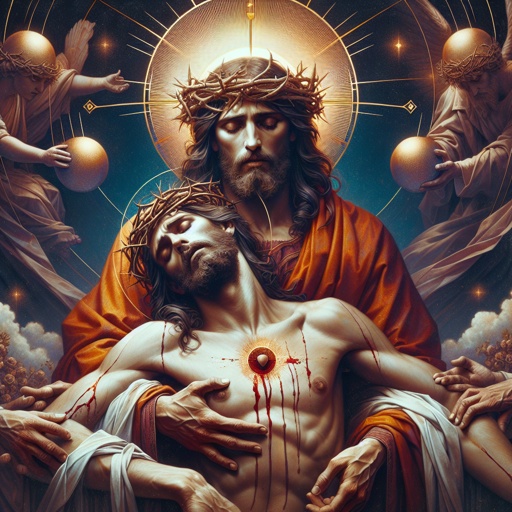
Mark 13:8

Isaiah 13:13 - "Therefore I will shake the heavens, and the earth shall remove out of her place, in the wrath of the LORD of hosts, and in the day of his fierce anger."

Isaiah 63:13 - "That led them through the deep, as an horse in the wilderness, that they should not stumble?"

Isaiah 39:8 - "Then said Hezekiah to Isaiah, Good is the word of the LORD which thou hast spoken. He said moreover, For there shall be peace and truth in my days."

Isaiah 34:8 - "For it is the day of the LORD'S vengeance, and the year of recompences for the controversy of Zion."