What does Isaiah 7:15 mean?
"Butter and honey shall he eat, that he may know to refuse the evil, and choose the good." - Isaiah 7:15
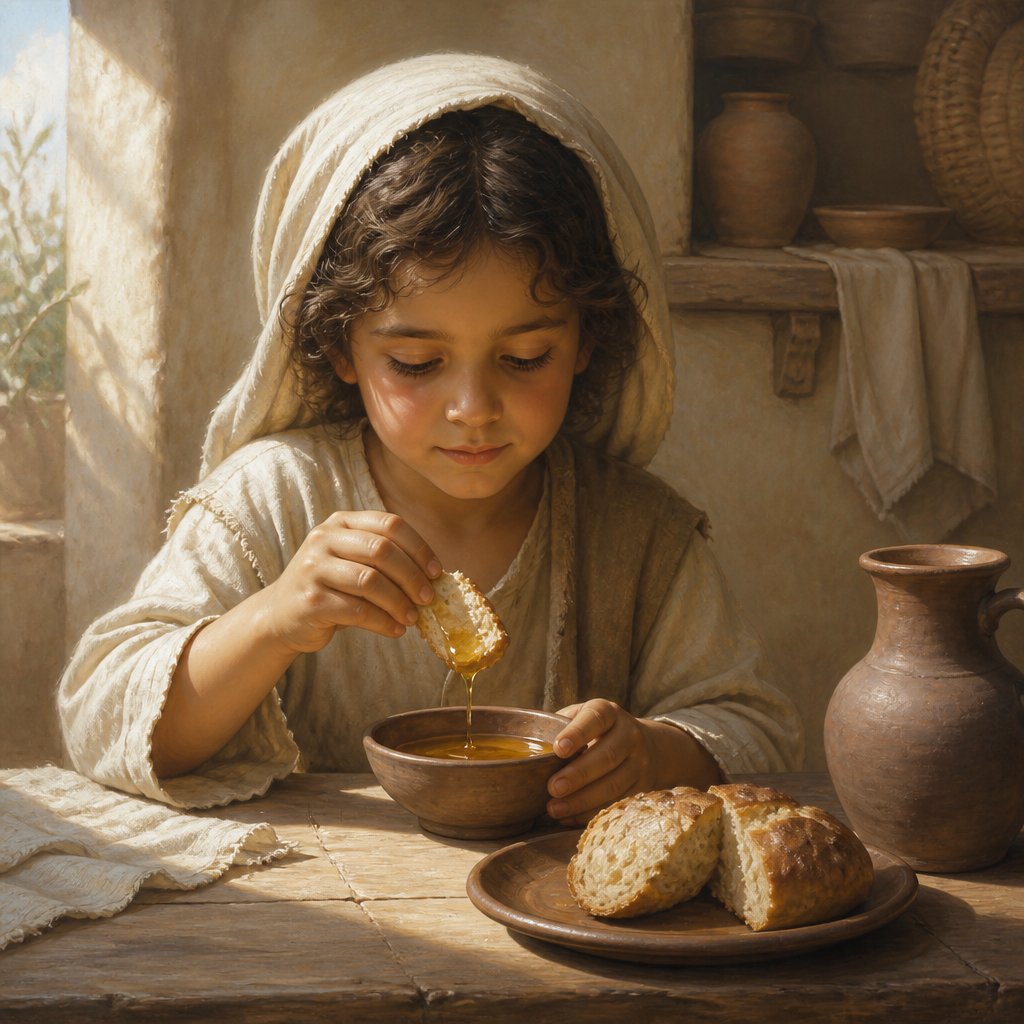
The verse Isaiah 7:15 in the King James Version of the Bible states, "Butter and honey shall he eat, that he may know to refuse the evil, and choose the good." This verse is part of a prophecy given to King Ahaz by the prophet Isaiah. It is important to understand the context and background of this verse in order to fully comprehend its meaning and significance.
The Book of Isaiah is a significant prophetic book in the Old Testament that contains numerous prophecies concerning the Messiah and the future of God's people. The verse in question is part of a prophecy concerning the future birth of a child who would be a sign to Ahaz and the people of Judah. The child, referred to as Immanuel, was to be a symbol of God's presence and faithfulness to his people.
In the immediate context of this verse, the prophecy was given during a time of political crisis in Judah. The kingdom of Judah was facing threats from enemy nations, and King Ahaz was fearful and anxious about the future of his kingdom. It is within this context that Isaiah delivers the prophecy of Immanuel, assuring the king that God would be with his people, despite the impending danger.
The verse itself contains powerful imagery and symbolism. The mention of "butter and honey" suggests abundance and prosperity, as these were considered luxurious and desirable foods in ancient times. The act of "refusing the evil, and choosing the good" signifies discernment and wisdom, as the child would grow up knowing the difference between right and wrong.
The symbolism in this verse can also be interpreted in a broader theological sense. The "butter and honey" can be seen as symbols of the abundance and blessings that come from God. In biblical times, these foods were associated with the land of promise and were an indication of God's favor and provision. Furthermore, the act of "refusing the evil, and choosing the good" can be understood as a representation of the moral choices that individuals are called to make. It emphasizes the importance of discernment and the ability to make wise decisions in accordance with God's will.
The prophecy of the child eating "butter and honey" can also be seen as a foreshadowing of the abundance and prosperity that would come through the Messiah. In the New Testament, Jesus is often associated with the image of the promised land flowing with "milk and honey" (Exodus 3:17). This connection ties the verse to the broader theme of God's redemptive plan for humanity and the promise of a future restoration and blessing through the coming of the Messiah.
Overall, Isaiah 7:15 is a rich and complex verse that contains layers of symbolism and meaning. It serves as a powerful reminder of God's faithfulness and provision, as well as the importance of discernment and wise decision-making. It also points to the future hope and blessing that would come through the Messiah. As with many prophecies in the Bible, this verse requires careful study and interpretation to fully grasp its depth and significance.
Have questions about Isaiah 7:15?
Dive deeper into this scripture with Bible Chat — an AI-powered tool for exploring God's Word through conversation. Ask questions, get context, and grow in your understanding of the Bible.
Get Our Apps


Isaiah 7:15 Artwork

Isaiah 7:15 - "Butter and honey shall he eat, that he may know to refuse the evil, and choose the good."
"Butter and honey shall he eat, that he may know to refuse the evil, and choose the good." - Isaiah 7:15

Isaiah 15:7 - "Therefore the abundance they have gotten, and that which they have laid up, shall they carry away to the brook of the willows."
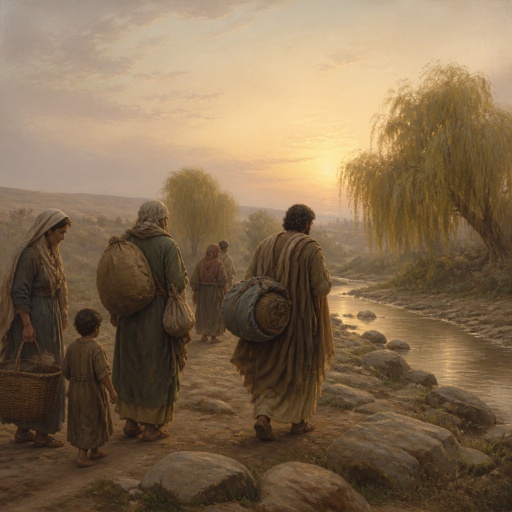
"Therefore the abundance they have gotten, and that which they have laid up, shall they carry away to the brook of the willows." - Isaiah 15:7

isaiah 6:7

isaiah 6:7

Isaiah 37:15 - "And Hezekiah prayed unto the LORD, saying,"

John 15:7

John 15:7

Isaiah 7:7 - "Thus saith the Lord GOD, It shall not stand, neither shall it come to pass."

Isaiah 50:7–9

Isaiah 49 1-7

Isaiah 6:4-7

Isaiah 2:15 - "And upon every high tower, and upon every fenced wall,"

Isaiah 14:15 - "Yet thou shalt be brought down to hell, to the sides of the pit."

Genesis 15:7

Isaiah 9:15 - "The ancient and honourable, he is the head; and the prophet that teacheth lies, he is the tail."

Isaiah 8:15 - "And many among them shall stumble, and fall, and be broken, and be snared, and be taken."

Isaiah 43:15 - "I am the LORD, your Holy One, the creator of Israel, your King."

Isaiah 45:15 - "Verily thou art a God that hidest thyself, O God of Israel, the Saviour."

Isaiah 14:7 - "The whole earth is at rest, and is quiet: they break forth into singing."

Isaiah 7:10 - "¶ Moreover the LORD spake again unto Ahaz, saying,"

Luke 15: 4-7

Isaiah 15:6 - "For the waters of Nimrim shall be desolate: for the hay is withered away, the grass faileth, there is no green thing."

Isaiah 7:12 - "But Ahaz said, I will not ask, neither will I tempt the LORD."

"And Hezekiah prayed unto the LORD, saying," - Isaiah 37:15

Isaiah 24:15 - "Wherefore glorify ye the LORD in the fires, even the name of the LORD God of Israel in the isles of the sea."

Isaiah 21:15 - "For they fled from the swords, from the drawn sword, and from the bent bow, and from the grievousness of war."

Isaiah 19:15 - "Neither shall there be any work for Egypt, which the head or tail, branch or rush, may do."

Isaiah 7:3 - "Then said the LORD unto Isaiah, Go forth now to meet Ahaz, thou, and Shear-jashub thy son, at the end of the conduit of the upper pool in the highway of the fuller's field;"