What does Isaiah 6:12 mean?
"And the LORD have removed men far away, and there be a great forsaking in the midst of the land." - Isaiah 6:12
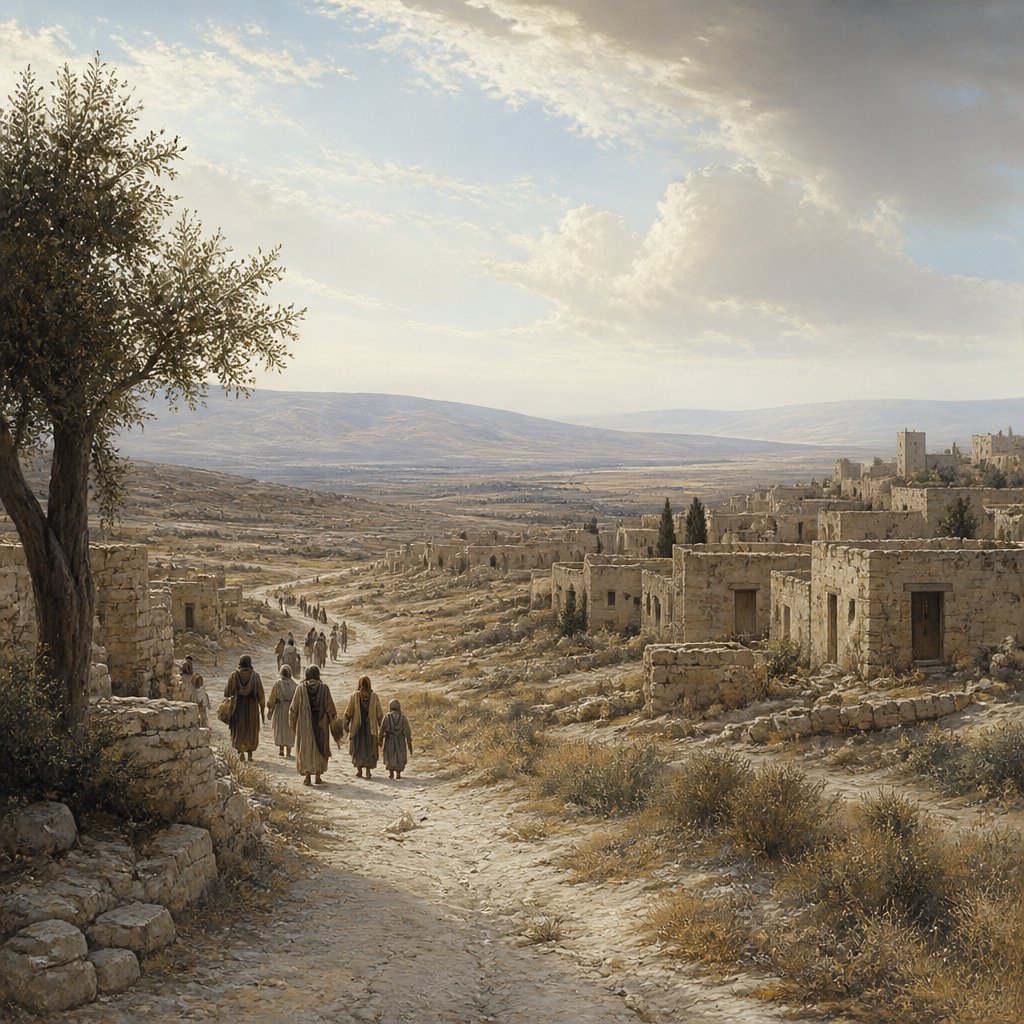
Isaiah 6:12 from the King James Version (KJV) of the Bible reads, "And the LORD have removed men far away, and there be a great forsaking in the midst of the land." This verse is part of a larger passage in which the prophet Isaiah describes a vision in which he sees the glory of God and is commissioned to be a messenger for Him.
The context of this verse is important for understanding its meaning and significance. In the preceding verses, Isaiah describes his vision of the Lord sitting on a throne, surrounded by seraphim who praise Him continuously. Isaiah is awestruck by the holiness and majesty of God, and he is acutely aware of his own sinfulness in the presence of such perfection. He laments, "Woe is me! for I am undone; because I am a man of unclean lips, and I dwell in the midst of a people of unclean lips: for mine eyes have seen the King, the LORD of hosts" (Isaiah 6:5, KJV).
In the midst of this powerful vision, Isaiah is also given a message to deliver to the people of Israel. The verse in question, Isaiah 6:12, is part of this message. The verse speaks of a great forsaking in the land, with the people being removed far away by the Lord. This is a warning of the impending judgment that will come upon the nation of Israel due to their unfaithfulness and disobedience.
One of the central themes of this verse is the righteousness and judgment of God. Throughout the Bible, God is portrayed as a just and righteous ruler who punishes sin and rewards obedience. In the book of Isaiah, the prophet repeatedly warns the people of Israel about the consequences of their unfaithfulness to God's covenant. This verse serves as a reminder that God will not tolerate disobedience indefinitely and that there are consequences for turning away from Him.
Another theme that can be drawn from this verse is the faithfulness of God. Despite the impending judgment, God's ultimate purpose is to bring about restoration and redemption. This is evident in the larger context of the book of Isaiah, where the prophet not only pronounces judgment but also offers hope for the future. Isaiah's message is one of repentance and restoration, emphasizing that even in the midst of judgment, God's grace and mercy are available to those who turn back to Him.
There is also a theme of human responsibility present in this verse. The people of Israel are held accountable for their actions and are warned of the consequences of their disobedience. This serves as a timeless reminder that individuals and nations are accountable to God for their choices and actions. It also emphasizes the importance of obedience and faithfulness to God's commands.
Symbolism plays a significant role in understanding the meaning of this verse. The removal of men far away by the Lord symbolizes the exile and dispersion of the people of Israel as a result of their disobedience. This is a historical event that occurred when the Babylonians conquered Jerusalem and took the Israelites into captivity. The great forsaking in the land represents the spiritual and moral decline of the nation, which ultimately led to their downfall.
In conclusion, Isaiah 6:12 from the King James Version of the Bible conveys a message of impending judgment for the people of Israel due to their unfaithfulness and disobedience. It serves as a powerful reminder of God's righteousness, faithfulness, and the consequences of turning away from Him. The verse emphasizes the themes of judgment, faithfulness, human responsibility, and offers a powerful message of hope for restoration and redemption. The symbolism present in the verse adds depth and richness to its meaning, making it a powerful and timeless message for all who read it.
Have questions about Isaiah 6:12?
Dive deeper into this scripture with Bible Chat — an AI-powered tool for exploring God's Word through conversation. Ask questions, get context, and grow in your understanding of the Bible.
Get Our Apps


Isaiah 6:12 Artwork

Isaiah 6:12 - "And the LORD have removed men far away, and there be a great forsaking in the midst of the land."
"And the LORD have removed men far away, and there be a great forsaking in the midst of the land." - Isaiah 6:12

Isaiah 12:6

Isaiah 12:6

Isaiah 12:6

Isaiah 12:2-6

Isaiah 12:2-6

Isaiah 12:2-6

Isaiah 12:2-6

Isaiah 12:2-6

Isaiah 12:2-6

Isaiah 12:6 - "Cry out and shout, thou inhabitant of Zion: for great is the Holy One of Israel in the midst of thee."

isaiah 6:6
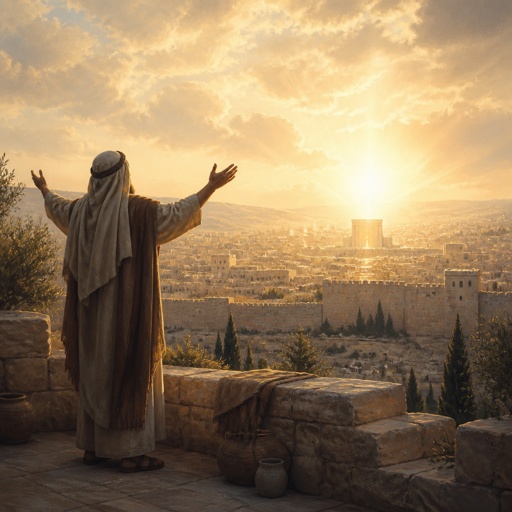
"Cry out and shout, thou inhabitant of Zion: for great is the Holy One of Israel in the midst of thee." - Isaiah 12:6

Isaiah 6

Isaiah 6

Isaiah 14:12

Isaiah 12:3
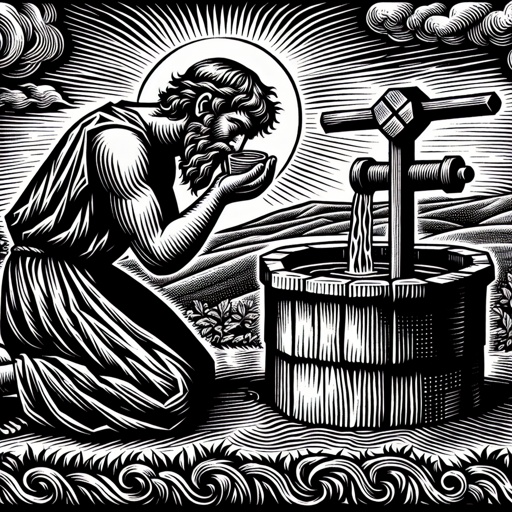
Isaiah 12:3

Isaiah 29:12

Isaiah 12:3

Isaiah 12:3

Isaiah 12:3

Isaiah 12:3

Isaiah 12:3

Isaiah 12:3

Isaiah 28:12

Isaiah 12:2

Isaiah 28:12

Isaiah 12:3