What does Isaiah 66:9 mean?
"Shall I bring to the birth, and not cause to bring forth? saith the LORD: shall I cause to bring forth, and shut the womb? saith thy God." - Isaiah 66:9
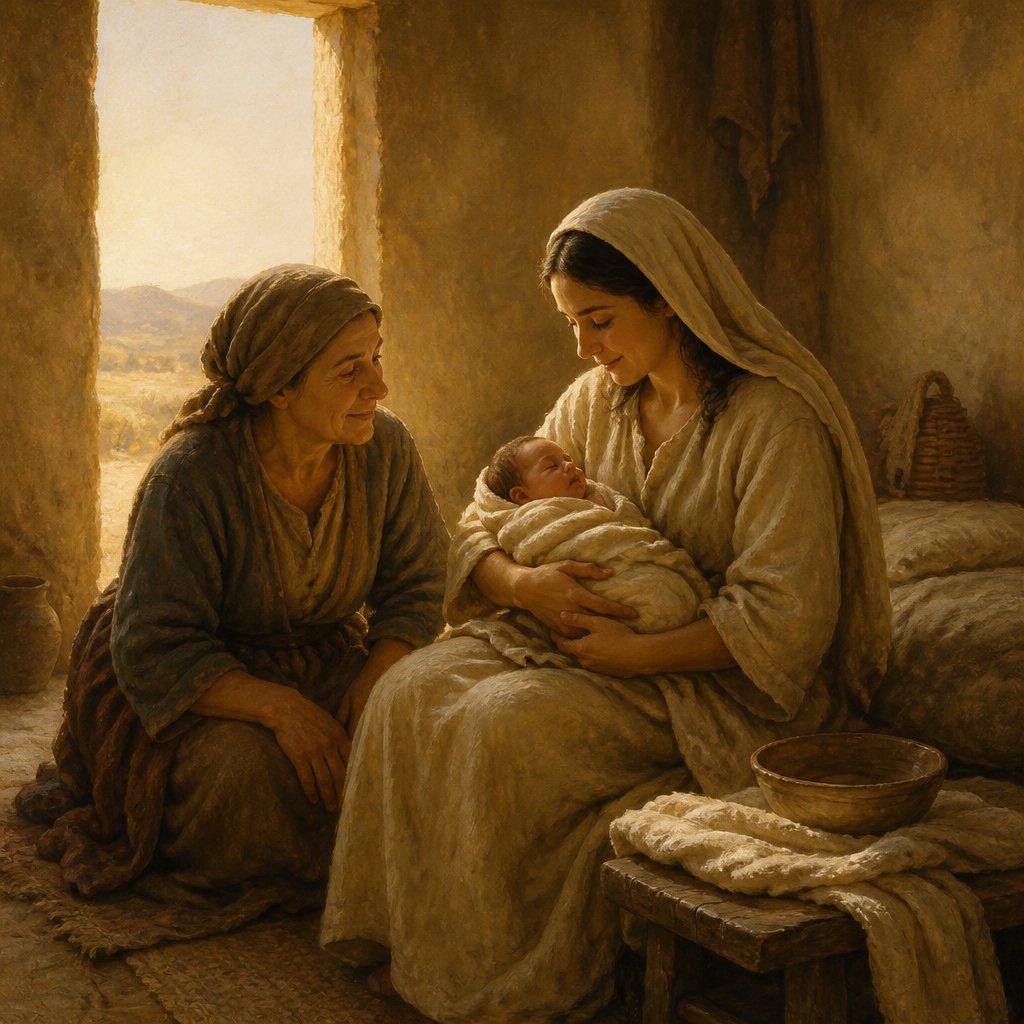
Isaiah 66:9 (KJV) says, "Shall I bring to the birth, and not cause to bring forth? saith the Lord: shall I cause to bring forth, and shut the womb? saith thy God."
This verse is taken from the book of Isaiah, the last of the major prophets in the Old Testament. Isaiah was a prophet in ancient Judah during the reigns of Kings Uzziah, Jotham, Ahaz, and Hezekiah. The book of Isaiah contains a collection of prophecies, warnings, and promises regarding the future of the nation of Israel.
In Isaiah 66:9, the Lord is speaking to the people of Israel through the prophet Isaiah. The verse uses the imagery of childbirth to convey the message of God's sovereignty and faithfulness. The Lord asks rhetorical questions to emphasize His control over the process of bringing His promises to fruition. The verse highlights the certainty of God's plans and His ability to fulfill them.
The theme of childbirth and the concept of God as the ultimate creator and sustainer of life is a central metaphor in the Bible, often used to symbolize new beginnings, growth, and transformation. In the context of this verse, the metaphor of childbirth serves as a powerful reminder of God's divine intervention in human affairs and His ability to bring about His purposes.
The verse also conveys the idea of divine providence and the assurance of God's faithfulness in upholding His covenant with His people. The Lord's rhetorical questions in the verse serves to challenge the faith of the Israelites and to remind them of His unwavering commitment to fulfill His promises. The imagery of a womb being opened and closed by God underscores His control over the process of bringing His plans to fruition.
Furthermore, the verse also reflects the concept of God's timing in fulfilling His promises. The rhetorical questions posed by the Lord emphasize the inevitability of His divine will coming to pass. Just as a woman cannot go into labor and not give birth, so too, the Lord will not initiate a process without bringing it to completion.
In a broader theological context, Isaiah 66:9 speaks to the nature of God's sovereignty and His role as the ultimate authority over all creation. The verse reaffirms the belief in God's providential care and His ability to accomplish His purposes despite any human doubt or opposition.
In conclusion, Isaiah 66:9 conveys a powerful message of God's sovereignty, faithfulness, and providence. The imagery of childbirth and the rhetorical questions employed by the Lord serve to emphasize His control over the process of fulfilling His promises. The verse serves as a reminder of God's unwavering commitment to His people and His ability to bring about His divine plans in His perfect timing. It is a source of comfort and encouragement for believers, reminding them of the trustworthiness and reliability of God in all circumstances.
Have questions about Isaiah 66:9?
Dive deeper into this scripture with Bible Chat — an AI-powered tool for exploring God's Word through conversation. Ask questions, get context, and grow in your understanding of the Bible.
Get Our Apps


Isaiah 66:9 Artwork

Isaiah 66:9 - "Shall I bring to the birth, and not cause to bring forth? saith the LORD: shall I cause to bring forth, and shut the womb? saith thy God."
"Shall I bring to the birth, and not cause to bring forth? saith the LORD: shall I cause to bring forth, and shut the womb? saith thy God." - Isaiah 66:9

Isaiah 66:1

Isaiah 66:1-2

Isaiah 66:1-2

Isaiah 66:21 - "And I will also take of them for priests and for Levites, saith the LORD."

Isaiah 66:1-2. Without depicting God's face.

Isaiah 66:1-2. Without depicting God's face.

Isaiah 66:1-2. Without depicting God's face.

Isaiah 66:16 - "For by fire and by his sword will the LORD plead with all flesh: and the slain of the LORD shall be many."

Isaiah 66:1-2. Without depicting God's face.

Isaiah 66:1-2. Without depicting God's face.

Isaiah 66:1-2. Without depicting God's face.

Psalms 66:9 - "Which holdeth our soul in life, and suffereth not our feet to be moved."

Isaiah 66:6 - "A voice of noise from the city, a voice from the temple, a voice of the LORD that rendereth recompence to his enemies."

Isaiah 66:13 - "As one whom his mother comforteth, so will I comfort you; and ye shall be comforted in Jerusalem."

Isaiah 66:7 - "Before she travailed, she brought forth; before her pain came, she was delivered of a man child."

Isaiah 66:15 - "For, behold, the LORD will come with fire, and with his chariots like a whirlwind, to render his anger with fury, and his rebuke with flames of fire."

Isaiah 66:18 - "For I know their works and their thoughts: it shall come, that I will gather all nations and tongues; and they shall come, and see my glory."

Isaiah 66:10 - "Rejoice ye with Jerusalem, and be glad with her, all ye that love her: rejoice for joy with her, all ye that mourn for her:"

Isaiah 66:13 - "As one whom his mother comforteth, so will I comfort you; and ye shall be comforted in Jerusalem."

"And I will also take of them for priests and for Levites, saith the LORD." - Isaiah 66:21

"For thus saith the LORD, Behold, I will extend peace to her like a river, and the glory of the Gentiles like a flowing stream: then shall ye suck, ye shall be borne upon her sides, and be dandled upon her knees." - Isaiah 66:12

Isaiah 66:17 - "They that sanctify themselves, and purify themselves in the gardens behind one tree in the midst, eating swine's flesh, and the abomination, and the mouse, shall be consumed together, saith the LORD."

Isaiah 66:1 - "Thus saith the LORD, The heaven is my throne, and the earth is my footstool: where is the house that ye build unto me? and where is the place of my rest?"

Isaiah 66:1-2. Without depicting God's face. Any human images should appear as ancient Israel. .

Isaiah 66:22 - "For as the new heavens and the new earth, which I will make, shall remain before me, saith the LORD, so shall your seed and your name remain."

Isaiah 66:11 - "That ye may suck, and be satisfied with the breasts of her consolations; that ye may milk out, and be delighted with the abundance of her glory." The image should not depict explicit or offensive content but be symbolic.

Isaiah 66:1-2. Without depicting God's face. Any human images should appear middle eastern.

Isaiah 66:23 - "And it shall come to pass, that from one new moon to another, and from one sabbath to another, shall all flesh come to worship before me, saith the LORD."