What does Isaiah 55:11 mean?
"So shall my word be that goeth forth out of my mouth: it shall not return unto me void, but it shall accomplish that which I please, and it shall prosper in the thing whereto I sent it." - Isaiah 55:11

Isaiah 55:11 in the King James Version reads, “So shall my word be that goeth forth out of my mouth: it shall not return unto me void, but it shall accomplish that which I please, and it shall prosper in the thing whereto I sent it.” In its plain sense the verse is the LORD declaring the certainty, power, and purposefulness of what He speaks. God’s “word” is not presented as a mere sound or suggestion, but as an active, effectual utterance proceeding from His own mouth, carrying His intent into the world, and achieving the end for which it is sent.
The immediate context in Isaiah 55 makes this assurance especially tender and inviting. The chapter opens with a wide call to the thirsty and the poor to come and receive what they cannot earn, and it urges the hearer to “seek ye the LORD while he may be found” and to forsake wicked ways. It promises mercy that is abundant, not meagre. Then, just before verse 11, the LORD speaks of the distance between His thoughts and man’s thoughts: “For my thoughts are not your thoughts, neither are your ways my ways, saith the LORD.” That is not meant to push the listener away in cold mystery; it is meant to steady the listener’s faith. Because God’s wisdom and purpose are higher than ours, we must not measure His promises by our limitations or by appearances. Verse 11 follows as a pledge: what God has promised in this invitation, and what He commands in this call to repentance and return, is not empty speech. It will do what He says it will do.
The verse draws its symbolism from the picture just preceding it, where God likens His word to rain and snow coming down from heaven, watering the earth, and causing it to “bring forth and bud.” Rain does not fall merely to fall; it falls to make the ground fruitful, to give “seed to the sower, and bread to the eater.” In the same way, God’s word is heavenly in origin, it descends with intention, it penetrates what is dry and barren, and it produces life and fruit where it is received. The image also suggests patience and certainty. Rain works its way through the soil and seasons, and yet its end is reliable: growth and harvest. So, too, God’s word may operate through time and process, yet it will not fail of its assigned outcome.
When the LORD says His word “shall not return unto me void,” He is declaring that it will not come back empty, futile, or without result. The idea is not that God hopes for a response and might be disappointed, but that God’s word, by its very nature, carries the force of His sovereign will. In Scripture’s broader pattern, when God speaks, things happen: creation itself comes into being by the word of the LORD. Isaiah 55:11 echoes that same divine effectiveness. God’s speech is not merely informative; it is performative. It does not only describe reality; it brings about what God intends within reality.
Yet the verse also holds a moral and spiritual weight within Isaiah’s call to repentance. The “word” that goes forth includes both promise and warning, both invitation and command. It will “accomplish that which I please.” That means it will accomplish God’s gracious purpose to save and restore those who turn to Him, and it will also accomplish His righteous purpose in exposing, judging, and overturning what resists Him. Even when human hearts are stubborn, God’s word is not rendered powerless; it still “prospers” in the matter for which He sends it. Sometimes that prosperity is seen in the softening and conversion of the sinner. Sometimes it is seen in the hardening that follows persistent refusal, where the word stands as true and vindicated, and the person’s rejection does not make God’s word of none effect. In either case, the word does not fail; it achieves the purpose God has assigned to it.
The expression “it shall prosper” adds another layer of meaning. Prosperity here is not the modern notion of comfort or wealth but the notion of success, of advancing effectively to the intended goal. God’s word is pictured like a messenger sent on a mission: it arrives where it is sent, it performs the task given, and it returns with the mission fulfilled. This is meant to create confidence in the hearer. The invitation of Isaiah 55 is extraordinarily generous—free “wine and milk,” a covenant promise, mercy to the wicked who return—so the question naturally arises: can such promises be trusted? Verse 11 answers: they can be trusted because they stand on the unbreakable reliability of God’s own speech.
In the larger sweep of Isaiah, this has deep significance. Isaiah addresses a people facing judgment and exile, yet also held within promises of restoration, the coming of God’s Servant, and the future peace of God’s kingdom. Humanly, such promises could seem impossible: nations rise and fall, empires dominate, hearts wander, and sin wreaks ruin. But Isaiah 55:11 locates hope not in Israel’s strength, nor in favorable circumstances, but in the LORD’s word itself. Because God’s word cannot be void, the future He promises is not a fragile possibility; it is a sure outcome, unfolding according to His timing and pleasure.
There is also a personal, devotional force to the verse. It implies that when God speaks in Scripture, the reader is not merely encountering religious ideas but encountering the living, purposeful speech of God. That speech seeks to produce something: faith, repentance, comfort, holiness, endurance, wisdom, and the knowledge of the LORD. The verse therefore calls the listener to reverence and attentiveness. If God’s word will accomplish His purpose, then the right response is not to treat it as optional, but to receive it with humility, to submit to it, and to trust it even when its effects are not immediately visible.
Isaiah 55:11, then, stands as a proclamation of divine sovereignty and divine faithfulness, clothed in the gentle symbolism of rain that makes the earth fruitful. It assures that God’s promises of mercy are not empty, that His calls to return are not powerless, and that His declared purposes cannot be frustrated. The word that goes forth from His mouth is sent, effective, and successful: it does what pleases Him, and it prospers exactly “in the thing whereto” He sent it.
Have questions about Isaiah 55:11?
Dive deeper into this scripture with Bible Chat — an AI-powered tool for exploring God's Word through conversation. Ask questions, get context, and grow in your understanding of the Bible.
Get Our Apps


Isaiah 55:11 Artwork

Isaiah 55:11

"So shall my word be that goeth forth out of my mouth: it shall not return unto me void, but it shall accomplish that which I please, and it shall prosper in the thing whereto I sent it." - Isaiah 55:11

"So shall my word be that goeth forth out of my mouth: it shall not return unto me void, but it shall accomplish that which I please, and it shall prosper in the thing whereto I sent it." - Isaiah 55:11

"So shall my word be that goeth forth out of my mouth: it shall not return unto me void, but it shall accomplish that which I please, and it shall prosper in the thing whereto I sent it." - Isaiah 55:11

Isaiah 55:4 - "Behold, I have given him for a witness to the people, a leader and commander to the people."

Isaiah 55:8 - "¶ For my thoughts are not your thoughts, neither are your ways my ways, saith the LORD."

Isaiah5:5-7

Psalms 55:11 - "Wickedness is in the midst thereof: deceit and guile depart not from her streets."

Isaiah 55:6 - "¶ Seek ye the LORD while he may be found, call ye upon him while he is near:"

Isaiah 55:9 - "For as the heavens are higher than the earth, so are my ways higher than your ways, and my thoughts than your thoughts."

Isaiah 55:3 - "Incline your ear, and come unto me: hear, and your soul shall live; and I will make an everlasting covenant with you, even the sure mercies of David."
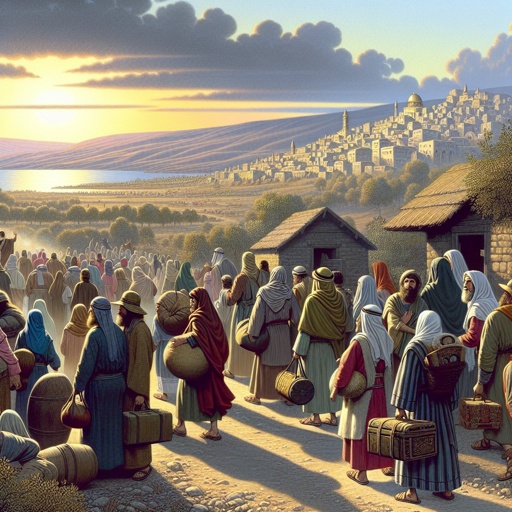
John 11:55 - "¶ And the Jews' passover was nigh at hand: and many went out of the country up to Jerusalem before the passover, to purify themselves."

Isaiah 55:13 - "Instead of the thorn shall come up the fir tree, and instead of the brier shall come up the myrtle tree: and it shall be to the LORD for a name, for an everlasting sign that shall not be cut off."

"For as the rain cometh down, and the snow from heaven, and returneth not thither, but watereth the earth, and maketh it bring forth and bud, that it may give seed to the sower, and bread to the eater:" - Isaiah 55:10

Isaiah 55:10 - "For as the rain cometh down, and the snow from heaven, and returneth not thither, but watereth the earth, and maketh it bring forth and bud, that it may give seed to the sower, and bread to the eater:"

Isaiah 55:12 - "For ye shall go out with joy, and be led forth with peace: the mountains and the hills shall break forth before you into singing, and all the trees of the field shall clap their hands."

"Behold, I have given him for a witness to the people, a leader and commander to the people." - Isaiah 55:4

Isaiah 55:1 - "Ho, every one that thirsteth, come ye to the waters, and he that hath no money; come ye, buy, and eat; yea, come, buy wine and milk without money and without price."

Isaiah 55:7 - "Let the wicked forsake his way, and the unrighteous man his thoughts: and let him return unto the LORD, and he will have mercy upon him; and to our God, for he will abundantly pardon."

"¶ For my thoughts are not your thoughts, neither are your ways my ways, saith the LORD." - Isaiah 55:8
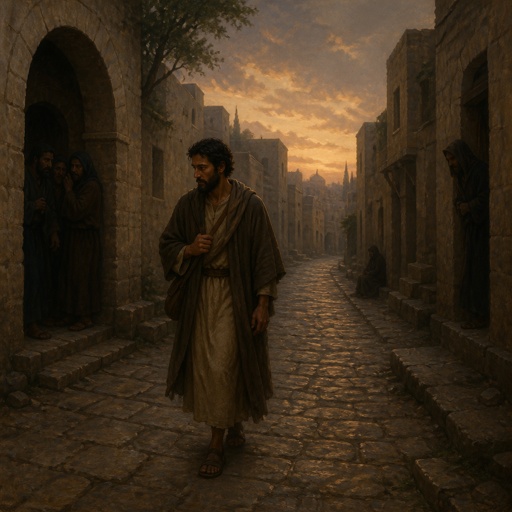
"Wickedness is in the midst thereof: deceit and guile depart not from her streets." - Psalms 55:11

Isaiah 55:5 - "Behold, thou shalt call a nation that thou knowest not, and nations that knew not thee shall run unto thee because of the LORD thy God, and for the Holy One of Israel; for he hath glorified thee."

Isaiah 55:2 - "Wherefore do ye spend money for that which is not bread? and your labour for that which satisfieth not? hearken diligently unto me, and eat ye that which is good, and let your soul delight itself in fatness."

Isaiah 55:8-9 - "For my thoughts are not your thoughts, neither are your ways my ways, declares the Lord. As the heavens are higher than the earth, so are my ways higher than your ways and my thoughts than your thoughts."

Isaiah 55:3 3 Incline your ear, and come to Me. Hear, and your soul shall live; And I will make an everlasting covenant with you-- The sure mercies of David.

"¶ Seek ye the LORD while he may be found, call ye upon him while he is near:" - Isaiah 55:6

Isaiah 55:1 "Ho! Everyone who thirsts, Come to the waters; And you who have no money, Come, buy and eat. Yes, come, buy wine and milk Without money and without price.

Isaiah 55:6-7 - "Seek the LORD while he may be found; call on him while he is near. Let the wicked forsake their ways and the unrighteous their thoughts. Let them turn to the LORD, and he will have mercy on them, and to our God, for he will freely pardon."

"For as the heavens are higher than the earth, so are my ways higher than your ways, and my thoughts than your thoughts." - Isaiah 55:9

Isaiah 11