What does Isaiah 55:10 mean?
"For as the rain cometh down, and the snow from heaven, and returneth not thither, but watereth the earth, and maketh it bring forth and bud, that it may give seed to the sower, and bread to the eater:" - Isaiah 55:10
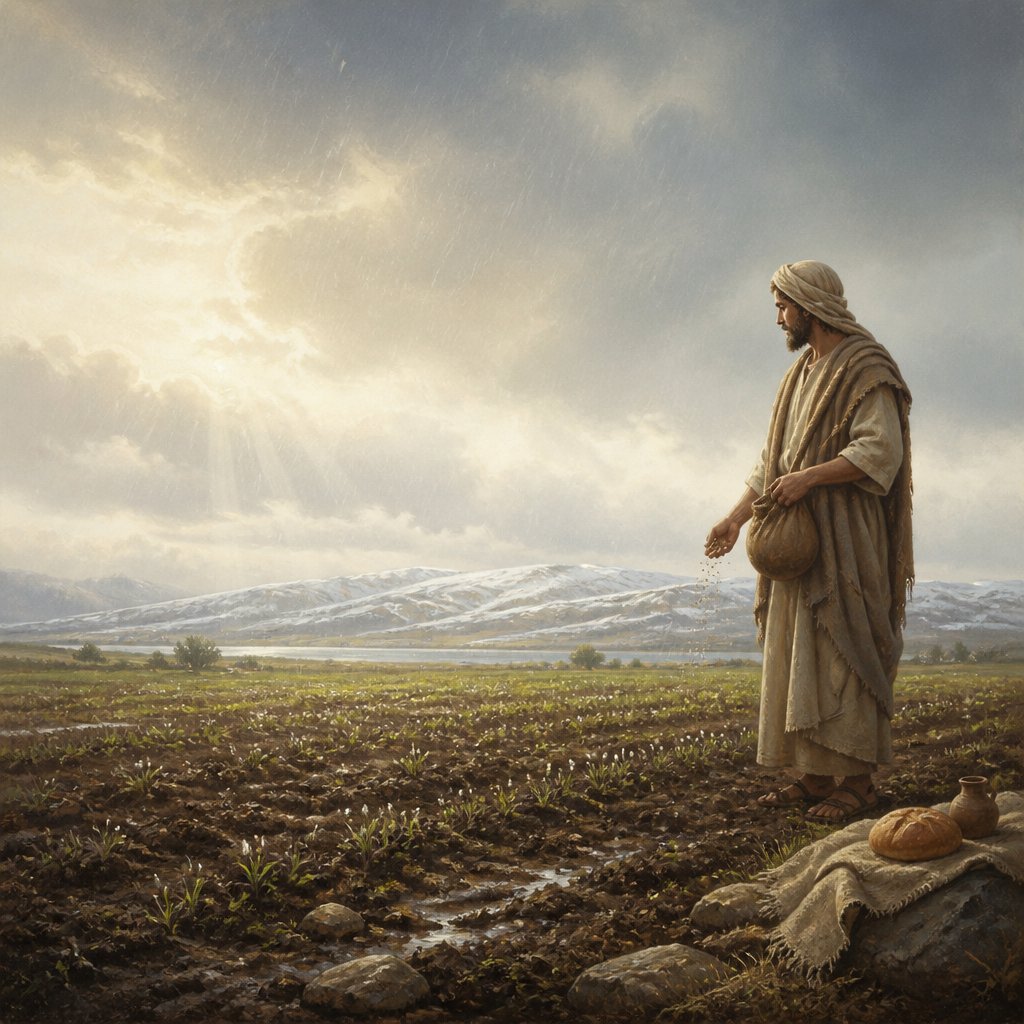
Isaiah 55:10 in the KJV reads, “For as the rain cometh down, and the snow from heaven, and returneth not thither, but watereth the earth, and maketh it bring forth and bud, that it may give seed to the sower, and bread to the eater.” In its plain sense, the verse points to a certainty built into God’s created order: rain and snow descend from above with a purpose, and that purpose is accomplished in the world below. They do not fall in vain. They soak into the ground, soften it, and make it fruitful, until what was hard or barren becomes productive, yielding both “seed to the sower” for the future and “bread to the eater” for the present. The image is simple, but it is chosen to carry great spiritual weight.
The immediate context of Isaiah 55 is an open, mercy-filled invitation from the LORD to those who are needy and guilty. The chapter begins with a call to come and receive what cannot be bought, to “eat… that which is good,” to “incline your ear,” and to receive the “everlasting covenant,” even “the sure mercies of David” (Isaiah 55:1–3, KJV). It then urges, “Seek ye the LORD while he may be found, call ye upon him while he is near: Let the wicked forsake his way, and the unrighteous man his thoughts: and let him return unto the LORD, and he will have mercy upon him” (Isaiah 55:6–7, KJV). In that setting, Isaiah 55:10 functions as part of God’s assurance that His offer is not empty and His call is not fragile; it is grounded in His own effective action. The verse is tightly connected to what follows: “So shall my word be that goeth forth out of my mouth: it shall not return unto me void” (Isaiah 55:11, KJV). Isaiah 55:10 prepares the reader to understand the character of God’s word by pointing first to the dependable, purposeful descent of rain and snow.
The central theme is divine efficacy: God sends forth what He intends, and it accomplishes what He intends. Rain and snow “cometh down… from heaven,” and that “from heaven” is more than meteorology in this context. It symbolizes origin. The blessing does not arise from the earth itself; it descends. In the same way, the life and renewal God promises does not ultimately arise from human resourcefulness, religious effort, or moral self-repair; it comes as a gift from above. The imagery also carries the theme of grace that precedes fruitfulness. The ground does not negotiate for rain, purchase it, or manufacture it. It receives it. That fits the chapter’s opening: “buy… without money and without price” (Isaiah 55:1, KJV). God’s provision comes first; the fruit comes after.
Rain and snow also suggest different forms and seasons of God’s working. Rain evokes immediate refreshing, visible change, and growth that can be quickly seen. Snow, by contrast, often speaks of quiet accumulation, slow melting, and hidden preparation before the bursting forth of life. Together they picture a fullness of provision: God is not limited to one method of blessing. He may work swiftly or slowly, openly or silently, but always purposefully. The point is not the exact mechanism of precipitation, but the certainty that what comes “from heaven” is not accidental and not wasted.
When the verse says the rain and snow “returneth not thither,” it is not denying the broader cycle of waters as a scientific statement; it is describing rain and snow according to their immediate mission. They do not simply fall and then reverse direction as though they had accomplished nothing. They remain long enough to do their work. That is the spiritual analogy: God’s word, and the mercy He offers through it, is not spoken as a mere sound that fades into the air. It is sent on an errand. It presses into human life and history until God’s intent is carried out. In the chapter’s flow, that intent includes calling people to repentance, granting mercy, and establishing joy and peace in those who return (Isaiah 55:7, 12, KJV).
The phrase “watereth the earth” is rich in symbolism. Scripture often uses thirst and dryness for spiritual lack, weariness, and the inability to produce true righteousness. Isaiah 55 itself begins with thirst: “Ho, every one that thirsteth, come ye to the waters” (Isaiah 55:1, KJV). Isaiah 55:10 answers that thirst-image with a picture of God actually supplying what is needed. Water from heaven touches earth, and barrenness gives way to growth. In this light, “earth” can represent the human heart and the community of God’s people: dry without God, but capable of life when He gives what only He can give.
The result of this watering is that the earth “bring forth and bud.” That language is deliberately organic and progressive. “Bring forth” suggests real production, not merely the appearance of it; “bud” suggests the beginning of new life, the first sign that what was dead or dormant is becoming living. Applied to the larger message of Isaiah 55, it portrays the transformation that follows God’s gracious call. Repentance is not merely the cessation of evil, but the beginning of new growth, a budding life that proceeds from being touched by God’s provision.
The verse then moves from the field to human need: “that it may give seed to the sower, and bread to the eater.” This is more than agricultural detail. It shows that God’s blessing is both for continuation and for satisfaction. “Seed to the sower” points to the future—the capacity to go on, to plant again, to hope again, to expect harvest again. “Bread to the eater” points to the present—real nourishment now, not only potential later. In the spiritual sense, God’s word not only initiates life and promises eventual good; it sustains and feeds. It equips for ongoing fruitfulness and meets immediate hunger. Within Isaiah’s invitation, this fits the promise that the one who comes and hears will “live” (Isaiah 55:3, KJV), and that the outcome is not scarcity but abundance.
Another significant theme is the generosity and wideness of God’s mercy. Rain does not fall narrowly on the strong and capable; it falls broadly, often indiscriminately, touching fields that are ready and fields that are not. In context, God is calling “every one” who thirsts (Isaiah 55:1, KJV), including “the wicked” and “the unrighteous” if they will return (Isaiah 55:7, KJV). The image of precipitation supports that wideness: God’s provision is not stingy, and His invitation is not for an elite class. Yet the purpose of rain is not to flatter the earth but to make it fruitful. Likewise, the mercy God offers is not meant to leave a person unchanged; it is meant to produce new life, new patterns, and a harvest that can bless others.
Isaiah 55:10 also quietly stresses God’s sovereignty and faithfulness. The dependable pattern of rain leading to growth is used as a witness to the dependable nature of God’s intention. He governs means and ends. He sends what is needed, and He brings about what He promises. The verse therefore serves as a bridge between God’s call to “hear” and “seek” and the assurance that such seeking is not futile, because God Himself is active in making His word effective.
The significance of Isaiah 55:10, then, is that it teaches the reader how to interpret God’s promises and commands in the chapter. God’s invitation to the thirsty, His call to repentance, and His assurance of mercy are not uncertain offers dependent on human strength. They come from heaven with the same purposeful certainty as rain and snow. They are meant to penetrate, to soften what is hard, to awaken what is dormant, and to yield a harvest that provides both “seed” and “bread.” The verse invites trust: just as rain does not fall without effect, so God does not speak without intention, and He does not intend without accomplishment.
Have questions about Isaiah 55:10?
Dive deeper into this scripture with Bible Chat — an AI-powered tool for exploring God's Word through conversation. Ask questions, get context, and grow in your understanding of the Bible.
Get Our Apps


Isaiah 55:10 Artwork

"For as the rain cometh down, and the snow from heaven, and returneth not thither, but watereth the earth, and maketh it bring forth and bud, that it may give seed to the sower, and bread to the eater:" - Isaiah 55:10

Isaiah 55:10 - "For as the rain cometh down, and the snow from heaven, and returneth not thither, but watereth the earth, and maketh it bring forth and bud, that it may give seed to the sower, and bread to the eater:"
"For as the rain cometh down, and the snow from heaven, and returneth not thither, but watereth the earth, and maketh it bring forth and bud, that it may give seed to the sower, and bread to the eater:" - Isaiah 55:10

Isaiah 55:11

Isaiah 55:4 - "Behold, I have given him for a witness to the people, a leader and commander to the people."

Isaiah 55:8 - "¶ For my thoughts are not your thoughts, neither are your ways my ways, saith the LORD."

Isaiah5:5-7
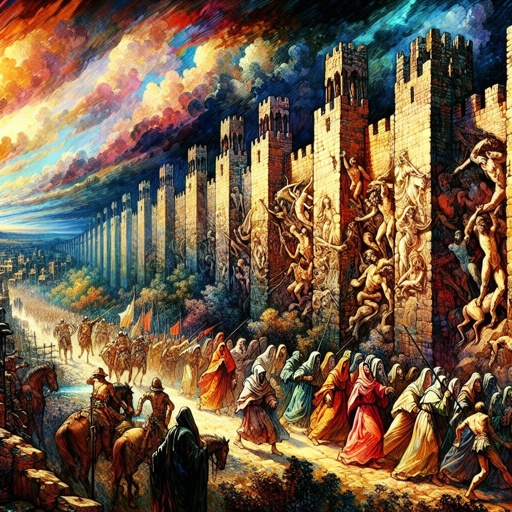
Psalms 55:10 - "Day and night they go about it upon the walls thereof: mischief also and sorrow are in the midst of it."

Isaiah 55:6 - "¶ Seek ye the LORD while he may be found, call ye upon him while he is near:"

Isaiah 55:9 - "For as the heavens are higher than the earth, so are my ways higher than your ways, and my thoughts than your thoughts."

Isaiah 55:3 - "Incline your ear, and come unto me: hear, and your soul shall live; and I will make an everlasting covenant with you, even the sure mercies of David."

Isaiah 55:13 - "Instead of the thorn shall come up the fir tree, and instead of the brier shall come up the myrtle tree: and it shall be to the LORD for a name, for an everlasting sign that shall not be cut off."

"So shall my word be that goeth forth out of my mouth: it shall not return unto me void, but it shall accomplish that which I please, and it shall prosper in the thing whereto I sent it." - Isaiah 55:11

Isaiah 55:12 - "For ye shall go out with joy, and be led forth with peace: the mountains and the hills shall break forth before you into singing, and all the trees of the field shall clap their hands."

"Behold, I have given him for a witness to the people, a leader and commander to the people." - Isaiah 55:4

Isaiah 55:1 - "Ho, every one that thirsteth, come ye to the waters, and he that hath no money; come ye, buy, and eat; yea, come, buy wine and milk without money and without price."

Isaiah 55:7 - "Let the wicked forsake his way, and the unrighteous man his thoughts: and let him return unto the LORD, and he will have mercy upon him; and to our God, for he will abundantly pardon."

"¶ For my thoughts are not your thoughts, neither are your ways my ways, saith the LORD." - Isaiah 55:8

Isaiah 55:5 - "Behold, thou shalt call a nation that thou knowest not, and nations that knew not thee shall run unto thee because of the LORD thy God, and for the Holy One of Israel; for he hath glorified thee."

Isaiah 55:2 - "Wherefore do ye spend money for that which is not bread? and your labour for that which satisfieth not? hearken diligently unto me, and eat ye that which is good, and let your soul delight itself in fatness."

Isaiah 55:8-9 - "For my thoughts are not your thoughts, neither are your ways my ways, declares the Lord. As the heavens are higher than the earth, so are my ways higher than your ways and my thoughts than your thoughts."

Isaiah 55:3 3 Incline your ear, and come to Me. Hear, and your soul shall live; And I will make an everlasting covenant with you-- The sure mercies of David.

"¶ Seek ye the LORD while he may be found, call ye upon him while he is near:" - Isaiah 55:6

Isaiah 55:1 "Ho! Everyone who thirsts, Come to the waters; And you who have no money, Come, buy and eat. Yes, come, buy wine and milk Without money and without price.

Isaiah 55:6-7 - "Seek the LORD while he may be found; call on him while he is near. Let the wicked forsake their ways and the unrighteous their thoughts. Let them turn to the LORD, and he will have mercy on them, and to our God, for he will freely pardon."
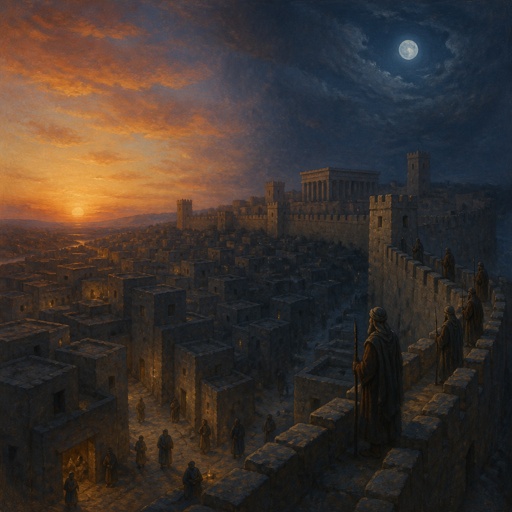
"Day and night they go about it upon the walls thereof: mischief also and sorrow are in the midst of it." - Psalms 55:10

"For as the heavens are higher than the earth, so are my ways higher than your ways, and my thoughts than your thoughts." - Isaiah 55:9

isaiah 41:10

isaiah 41:10

isaiah 41:10