What does Isaiah 4:1 mean?
"And in that day seven women shall take hold of one man, saying, We will eat our own bread, and wear our own apparel: only let us be called by thy name, to take away our reproach." - Isaiah 4:1
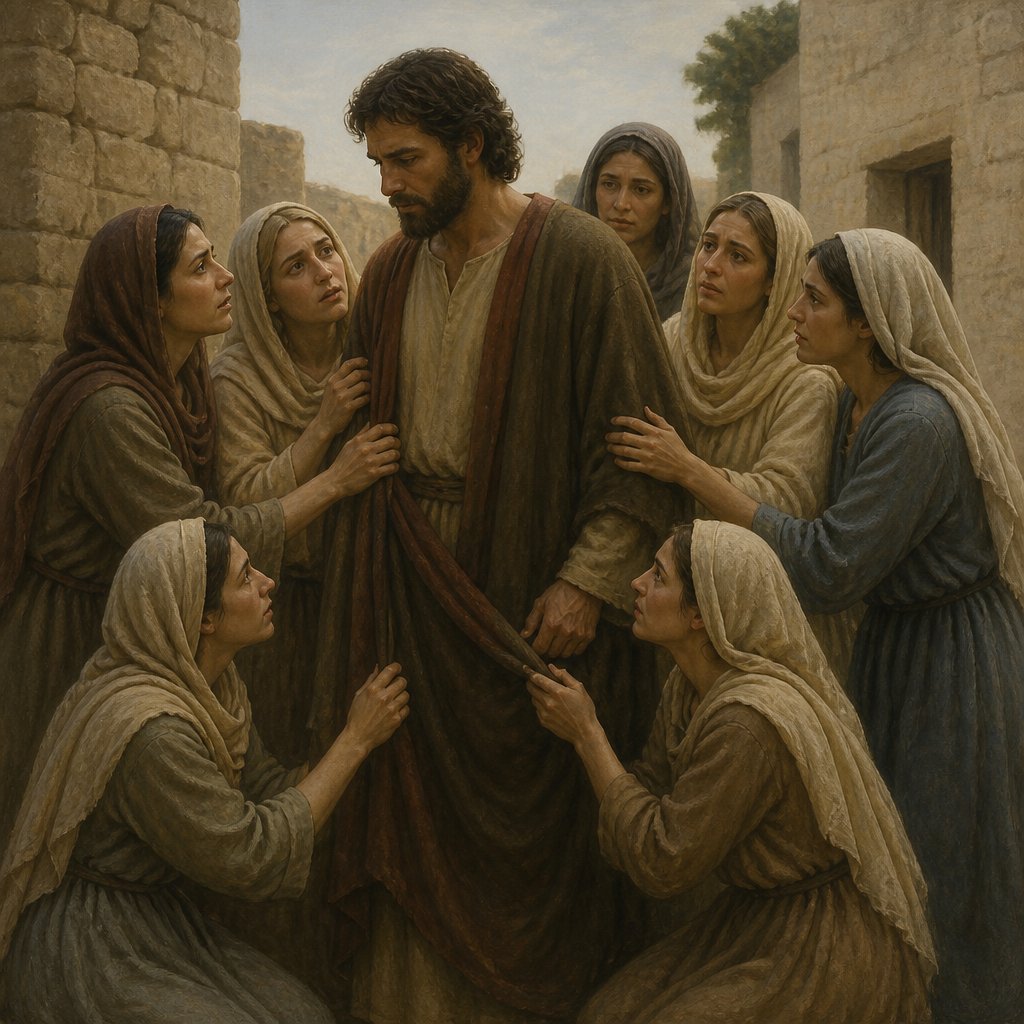
Isaiah 4:1 from the King James Version (KJV) of the Bible reads: "And in that day seven women shall take hold of one man, saying, We will eat our own bread, and wear our own apparel: only let us be called by thy name, to take away our reproach." This verse is part of the prophecy of the coming judgment and restoration of Israel, as spoken by the prophet Isaiah.
The context of this verse is important to understanding its meaning. In the preceding chapters, Isaiah has been warning the people of Israel about their impending judgment due to their sins and disobedience to God. He describes the destruction that will come upon the land, and the punishment that the people will face for their rebellion. However, in the midst of these warnings, there is also a message of hope and restoration. Isaiah looks forward to a day when God will once again bless His people and restore them to their rightful place.
In Isaiah 4:1, the prophet uses a vivid and dramatic imagery to illustrate the severity of the judgment that will come upon Israel. The phrase "in that day" refers to a future time when the judgment and restoration will take place. The image of seven women taking hold of one man is symbolic of a scarcity of men, perhaps due to war or other calamities that have befallen the land. This scarcity has led to the desperate measures of the women, who are willing to share one man in order to have a husband and children. This reflects a state of lack and hardship, where even the most basic necessities are scarce.
The women's declaration that they will provide for themselves, by eating their own bread and wearing their own apparel, indicates the extent of their desperation. They are willing to take on the responsibilities of providing for themselves, rather than rely on a man to do so. This highlights the severity of the conditions they are living in, and the need for survival in the face of scarcity.
The women's plea to be called by the man's name is significant, as it reflects the societal and cultural importance of having a husband and being part of a family unit. In ancient Israelite society, a woman's identity and status were often tied to her marital status and the family she belonged to. By asking to be called by the man's name, the women are seeking to avoid the stigma of being unmarried and childless, which would have been considered a reproach or disgrace in their society.
Symbolically, this verse can be interpreted as a depiction of the consequences of the people of Israel turning away from God and His laws. The scarcity of men and the desperate measures of the women reflect a state of spiritual and moral decline, where the people have strayed from God's ways and are suffering the consequences of their disobedience. The reproach that the women seek to avoid symbolizes the shame and dishonor that comes from living in a state of disobedience and separation from God.
Ultimately, this verse serves as a warning to the people of Israel about the consequences of their actions, but it also holds a message of hope. The imagery of scarcity and desperation is contrasted with the promise of restoration and blessing that comes in the following verses of Isaiah. God's judgment is not the end, but rather a means to bring His people back to Himself and restore them to a place of blessing and abundance.
In conclusion, Isaiah 4:1 is a powerful and evocative verse that uses vivid imagery to convey the message of judgment and restoration for the people of Israel. It serves as a warning about the consequences of disobedience, but also holds a message of hope for the future. This verse reminds us of the importance of remaining faithful to God and the blessings that come from obedience to His will.
Have questions about Isaiah 4:1?
Dive deeper into this scripture with Bible Chat — an AI-powered tool for exploring God's Word through conversation. Ask questions, get context, and grow in your understanding of the Bible.
Get Our Apps


Isaiah 4:1 Artwork

Isaiah 4:1 - "And in that day seven women shall take hold of one man, saying, We will eat our own bread, and wear our own apparel: only let us be called by thy name, to take away our reproach."
"And in that day seven women shall take hold of one man, saying, We will eat our own bread, and wear our own apparel: only let us be called by thy name, to take away our reproach." - Isaiah 4:1

Isaiah 40:4

Isaiah 9:1-4
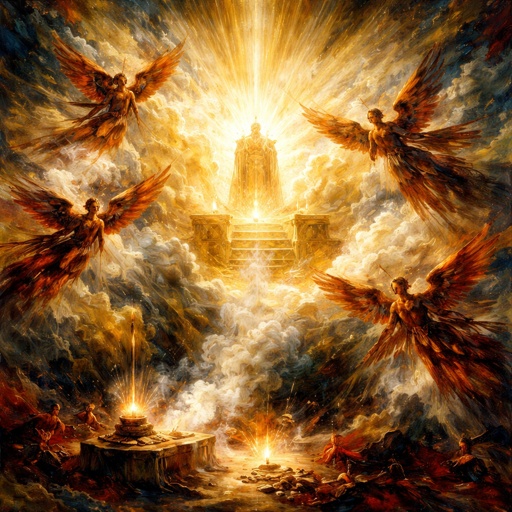
Isaiah 6:1-4. Do not depict God's face.
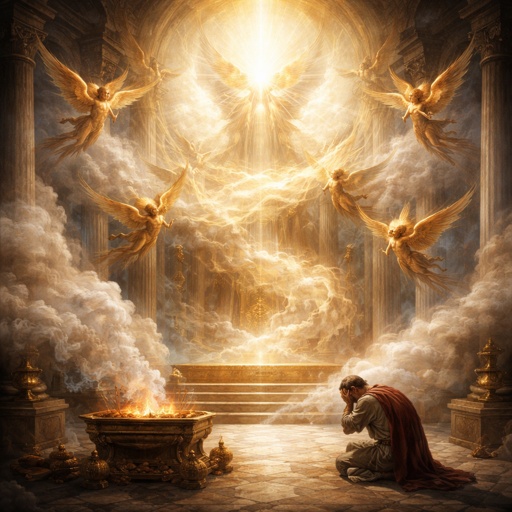
Isaiah 6:1-4. Do not depict God's face.
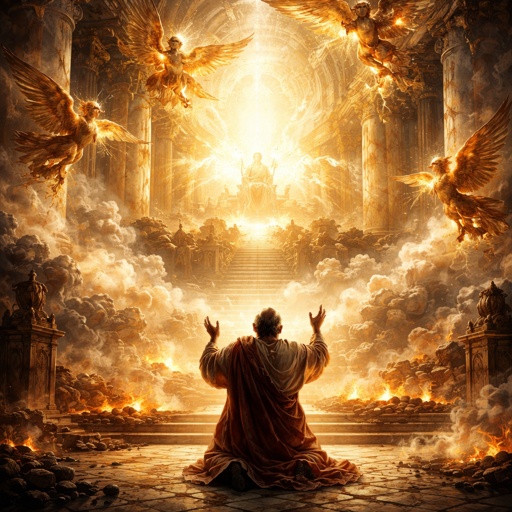
Isaiah 6:1-4. Do not depict God's face.

Isaiah 38:4 - "¶ Then came the word of the LORD to Isaiah, saying,"
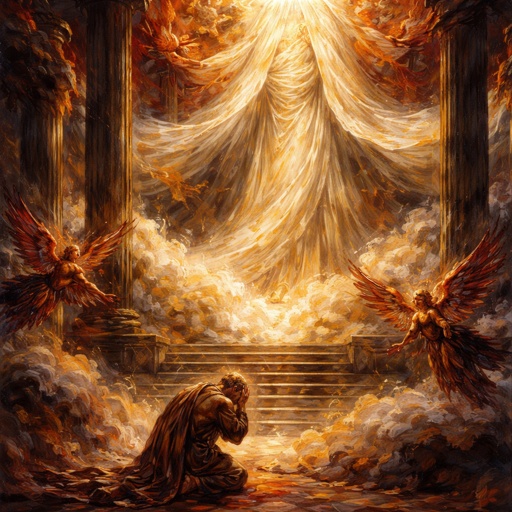
Isaiah 6:1-4. Only seeing the robe of God and not his upper body or face.
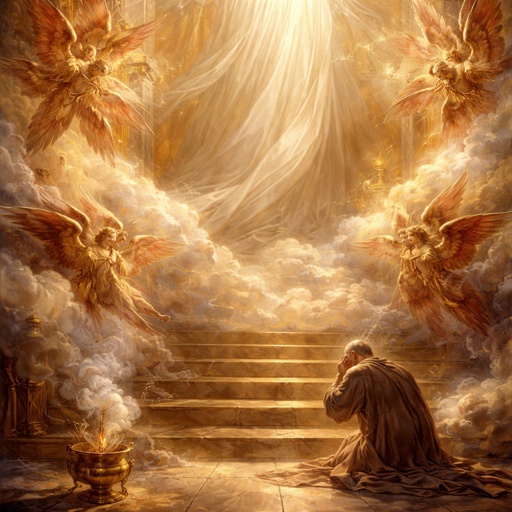
Isaiah 6:1-4. Only seeing the robe of God and not his upper body or face.
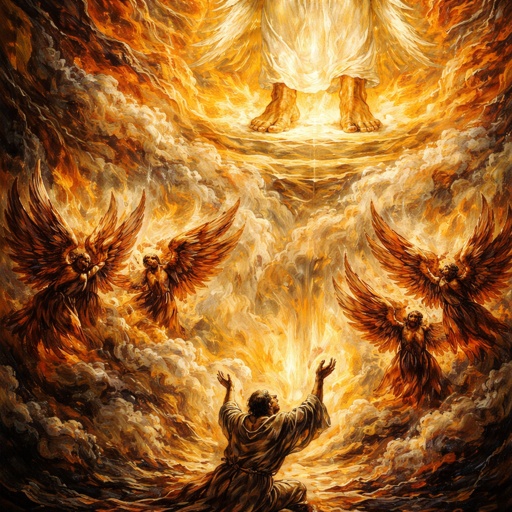
Isaiah 6:1-4. Only seeing the feet of God and not his upper body or face.
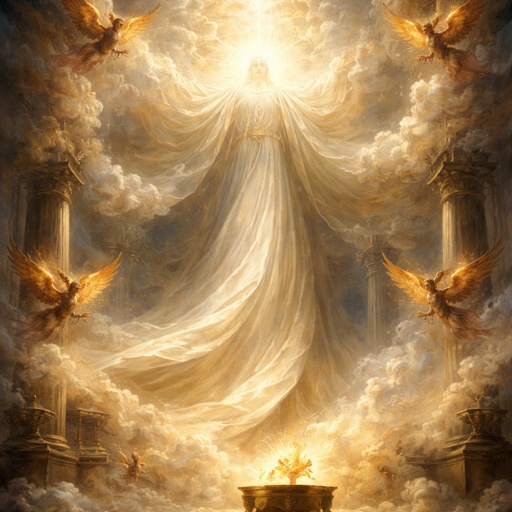
Isaiah 6:1-4. Only seeing the robe of God and not his upper body or face.

Isaiah 6:1-4. Only seeing the robe of God and not his upper body or face.
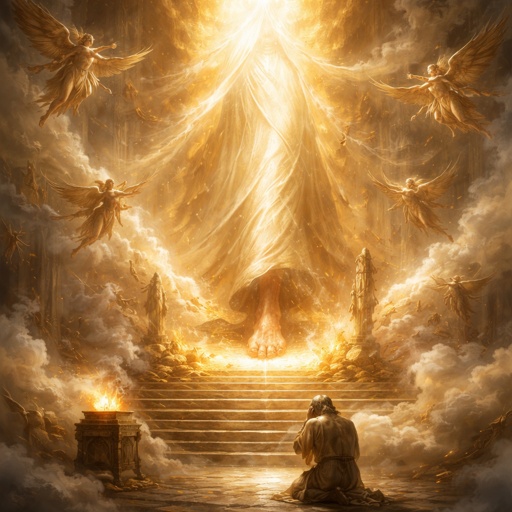
Isaiah 6:1-4. Only seeing the feet of God and not his upper body or face.

Isaiah 29:4

Isaiah 6:1-4. Only seeing the robe of God and not his upper body or face. Wings of angels should be covering their faces.

Isaiah 29:4

Isaiah 1:4 - "Ah sinful nation, a people laden with iniquity, a seed of evildoers, children that are corrupters: they have forsaken the LORD, they have provoked the Holy One of Israel unto anger, they are gone away backward."

"¶ Then came the word of the LORD to Isaiah, saying," - Isaiah 38:4

Isaiah 6:4-7
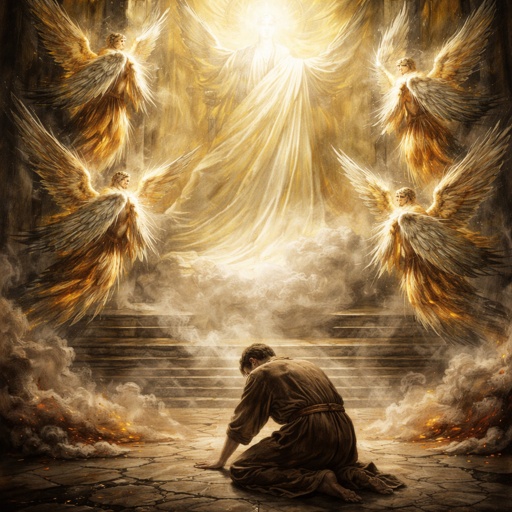
Isaiah 6:1-4. Only seeing the robe of God and not his upper body or face. The seraphim should be covering their faces with their wings, with two wings they fly, and with two wings they cover their feet. Make sure the angels faces are covered with their wings. Also have Isaiah kneeling down and humbled before this scene

Isaiah 6:1-4. Only seeing the robe of God and not his upper body or face. The seraphim should be covering their faces with their wings, with two wings they fly, and with two wings they cover their feet
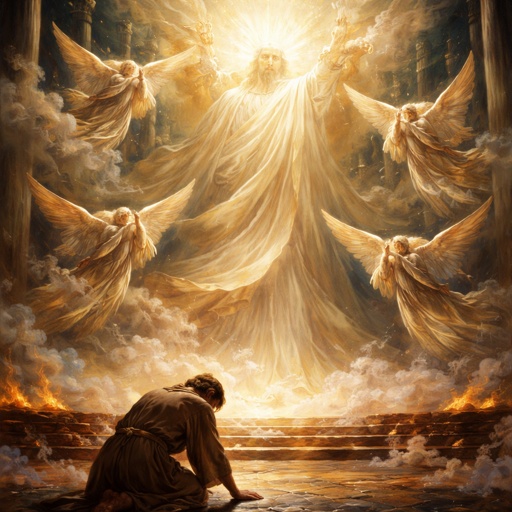
Isaiah 6:1-4. Only seeing the robe of God and not his upper body or face. The seraphim should be covering their faces with their wings, with two wings they fly, and with two wings they cover their feet. Make sure the angels faces are covered with their wings. Also have Isaiah kneeling down and humbled before this scene. Make sure the angels faces are covered

Isaiah 30:4 - "For his princes were at Zoan, and his ambassadors came to Hanes."

Isaiah 2:1 - "The word that Isaiah the son of Amoz saw concerning Judah and Jerusalem."

Isaiah 44:4 - "And they shall spring up as among the grass, as willows by the water courses."

Isaiah 26:4 - "Trust ye in the LORD for ever: for in the LORD JEHOVAH is everlasting strength:"

Isaiah 63:4 - "For the day of vengeance is in mine heart, and the year of my redeemed is come."

Isaiah 1:1 - "The vision of Isaiah the son of Amoz, which he saw concerning Judah and Jerusalem in the days of Uzziah, Jotham, Ahaz, and Hezekiah, kings of Judah."

Isaiah 6:4 - "And the posts of the door moved at the voice of him that cried, and the house was filled with smoke."