What does Isaiah 48:7 mean?
"They are created now, and not from the beginning; even before the day when thou heardest them not; lest thou shouldest say, Behold, I knew them." - Isaiah 48:7
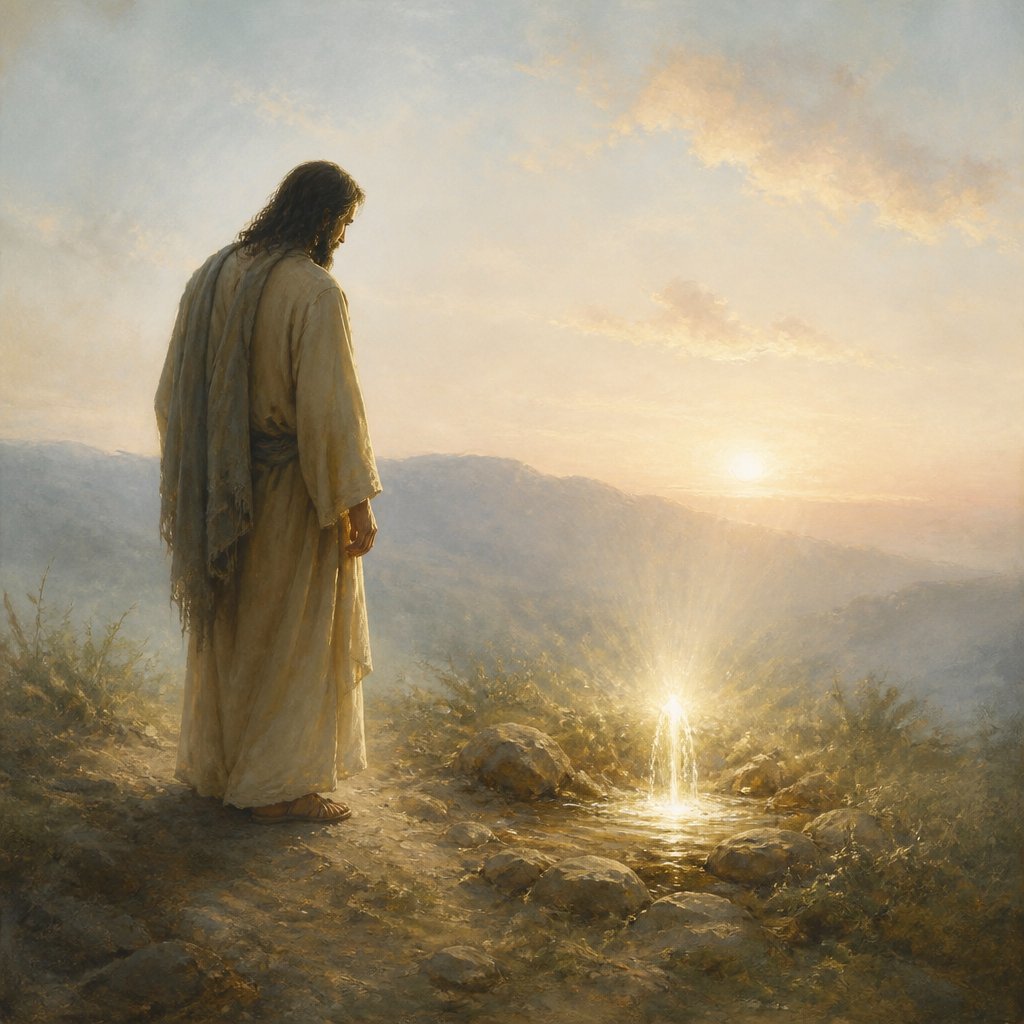
Isaiah 48:7 (KJV) - "They are created now, and not from the beginning; even before the day when thou heardest them not; lest thou shouldest say, Behold, I knew them."
The book of Isaiah is often considered one of the most important prophetic books in the Old Testament, and Isaiah 48:7 is a verse that highlights the sovereignty and omniscience of God.
The verse begins with the phrase "They are created now, and not from the beginning." This suggests that the events and circumstances that are unfolding are not random or accidental, but are part of God's sovereign plan. This concept of creation emphasizes God's control over all things, including time and history. It points to the idea that God is the ultimate source and orchestrator of all that exists, and everything is unfolding according to His divine will.
The verse then goes on to say "even before the day when thou heardest them not; lest thou shouldest say, Behold, I knew them." This reinforces the concept of God's omniscience, or all-knowing nature. It speaks to the idea that God is not confined by time or limited in His knowledge. He knows the beginning from the end and is aware of all events before they happen. This realization serves as a reminder to human beings that they are not the ultimate authorities or orchestrators of their own destinies.
This verse can be seen as a challenge to human pride and self-reliance. It serves as a reminder that everything is under God's control, and human beings should not boast or presume to understand all things. The phrase "lest thou shouldest say, Behold, I knew them" suggests that human beings may be inclined to take credit for their own accomplishments and believe that they are in control. However, this verse reminds them that such attitudes are arrogant and misplaced, as it is God who is ultimately in control of all things.
The context of Isaiah 48:7 is significant in understanding its full meaning. The book of Isaiah was written during a time of great turmoil and uncertainty for the Israelites. The prophet Isaiah was called to bring a message of warning and hope to the people of Israel, urging them to repent and turn back to God. The verse can be seen as a part of this larger message, emphasizing the sovereignty and omniscience of God as a reason for the people to trust and obey Him.
The verse also has a broader application beyond its original context. It speaks to the universal truth that God is in control of all things and knows all things. This message is relevant to all people and all generations, reminding them that they are not the ultimate authorities in their lives. It encourages a posture of humility, dependence, and trust in God's providence.
Symbolically, Isaiah 48:7 can be seen as a reminder of God's faithfulness and constancy. The phrase "even before the day when thou heardest them not" suggests that God has always been at work, even when His presence and actions may not have been immediately evident to human beings. It speaks to the idea of God's continuous involvement in the affairs of His creation, regardless of human perception or understanding. This symbolism serves as a source of comfort and assurance, reminding believers that God is always at work behind the scenes, even when they may not see or understand His ways.
In conclusion, Isaiah 48:7 is a verse that emphasizes the sovereignty, omniscience, and faithfulness of God. It challenges human pride and self-reliance, reminding people that God is ultimately in control of all things. It serves as a source of hope and encouragement, urging believers to trust in God's providence and to acknowledge His constant involvement in the affairs of His creation. This timeless message continues to be relevant and impactful for all people, speaking to the universal truth of God's ultimate authority and knowledge.
Have questions about Isaiah 48:7?
Dive deeper into this scripture with Bible Chat — an AI-powered tool for exploring God's Word through conversation. Ask questions, get context, and grow in your understanding of the Bible.
Get Our Apps


Isaiah 48:7 Artwork

Isaiah 48:7 - "They are created now, and not from the beginning; even before the day when thou heardest them not; lest thou shouldest say, Behold, I knew them."
"They are created now, and not from the beginning; even before the day when thou heardest them not; lest thou shouldest say, Behold, I knew them." - Isaiah 48:7

Isaiah 48

Isaiah 48

Isaiah 48

Isaiah 48

Isaiah 48:5

Isaiah 48:5

Isaiah 48:5

Isaiah 48:5

Isaiah 48:22 - "There is no peace, saith the LORD, unto the wicked."

Nehemiah 7:48 - "The children of Lebana, the children of Hagaba, the children of Shalmai,"

John 7:48 - "Have any of the rulers or of the Pharisees believed on him?"

Psalms 48:7 - "Thou breakest the ships of Tarshish with an east wind."

"There is no peace, saith the LORD, unto the wicked." - Isaiah 48:22

Luke 7:48 - "And he said unto her, Thy sins are forgiven."

Isaiah 48:10 - "Behold, I have refined thee, but not with silver; I have chosen thee in the furnace of affliction."

Isaiah 48:4 - "Because I knew that thou art obstinate, and thy neck is an iron sinew, and thy brow brass;"

Isaiah 48:2 - "For they call themselves of the holy city, and stay themselves upon the God of Israel; The LORD of hosts is his name."

Acts 7:48 - "Howbeit the most High dwelleth not in temples made with hands; as saith the prophet,"

Numbers 7:48 - "¶ On the seventh day Elishama the son of Ammihud, prince of the children of Ephraim, offered:"

Isaiah 48:18 - "O that thou hadst hearkened to my commandments! then had thy peace been as a river, and thy righteousness as the waves of the sea:"

Isaiah 48:9 - "¶ For my name's sake will I defer mine anger, and for my praise will I refrain for thee, that I cut thee not off."

Ezekiel 48:7 - "And by the border of Reuben, from the east side unto the west side, a portion for Judah."

Isaiah 48:12 - "¶ Hearken unto me, O Jacob and Israel, my called; I am he; I am the first, I also am the last."
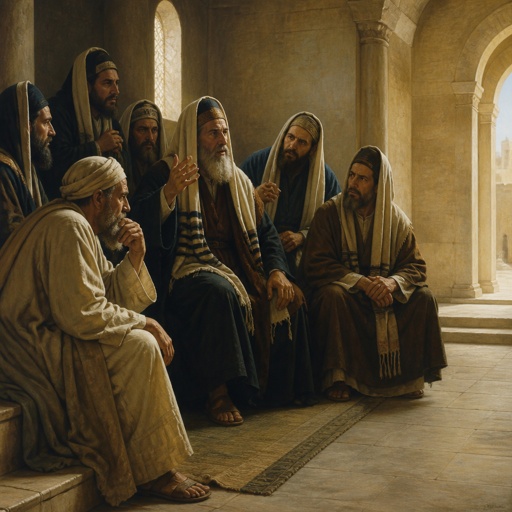
"Have any of the rulers or of the Pharisees believed on him?" - John 7:48
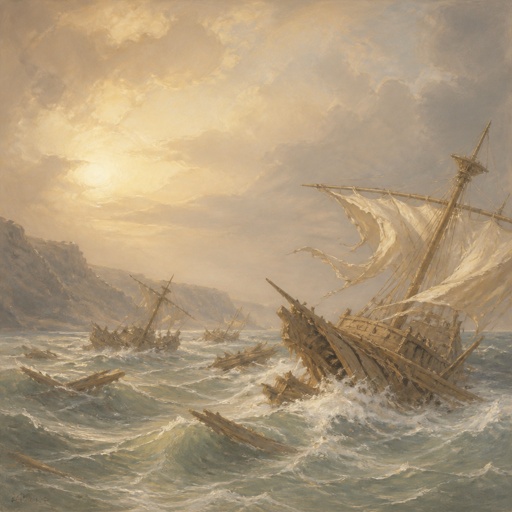
"Thou breakest the ships of Tarshish with an east wind." - Psalms 48:7
"The children of Lebana, the children of Hagaba, the children of Shalmai," - Nehemiah 7:48

Isaiah 48:15 - "I, even I, have spoken; yea, I have called him: I have brought him, and he shall make his way prosperous."

Isaiah 48:11 - "For mine own sake, even for mine own sake, will I do it: for how should my name be polluted? and I will not give my glory unto another."