What does Isaiah 3:26 mean?
"And her gates shall lament and mourn; and she being desolate shall sit upon the ground." - Isaiah 3:26

Isaiah 3:26 "And her gates shall lament and mourn; and she being desolate shall sit upon the ground."
The book of Isaiah is one of the major prophetic books in the Old Testament. It was written by the prophet Isaiah, who lived in Jerusalem during the reigns of several kings of Judah. The book addresses the people of Judah, warning them of the impending judgment of God for their unfaithfulness and urging them to repent and return to the Lord. This verse comes towards the end of a passage in which Isaiah prophesies about the judgment that will come upon the women of Jerusalem for their pride, haughtiness, and indulgence.
In Isaiah 3:26, the prophet describes the fate of Jerusalem as a result of its sin and unfaithfulness. The city's gates, which were once symbols of strength and prosperity, will now "lament and mourn." This imagery conveys a sense of sorrow and despair, as the gates are personified as experiencing grief and sadness. The city, which was once filled with people and activity, will now be "desolate," and those who remain will "sit upon the ground."
This verse reflects the consequences of the spiritual and moral decay of the city. The gates, representing the entrance and protection of the city, will no longer provide security or comfort. The people, once bustling with life and commerce, will now be brought low and forced to sit in a position of humility and defeat.
The imagery in this verse also speaks to the broader themes found throughout the book of Isaiah, particularly the contrast between pride and humility, sin and punishment, and faithlessness and restoration. Jerusalem's downfall is a result of its pride and arrogance, as the people turned away from God and pursued their own desires. The city's desolation is a direct consequence of its rejection of the Lord and His commandments.
The verse can be interpreted as a warning to all people about the consequences of turning away from God. It serves as a call to humility and repentance, urging individuals and communities to recognize their sin and seek forgiveness and restoration from the Lord. The lamentation of the gates and the desolation of the city are not simply historical events but serve as a timeless reminder of the inevitable judgment that comes upon those who oppose God and rebel against His ways.
The symbolic meaning of the gates lamenting and the city sitting desolate upon the ground also points towards the need for restoration and renewal. Despite the judgment and punishment, the ultimate purpose is for the people to return to the Lord and rebuild their relationship with Him. The desolation is not the end but a means to bring about a turning point and a new beginning.
In conclusion, Isaiah 3:26 is a powerful and poignant depiction of the consequences of spiritual and moral decay. The verse serves as a warning to all who would turn away from God and seek their own desires. It also offers hope for restoration and renewal through humility, repentance, and a return to the Lord. The imagery and themes in this verse are timeless and continue to resonate with readers today, prompting reflection on the consequences of our actions and the need for a humble and faithful relationship with God.
Have questions about Isaiah 3:26?
Dive deeper into this scripture with Bible Chat — an AI-powered tool for exploring God's Word through conversation. Ask questions, get context, and grow in your understanding of the Bible.
Get Our Apps


Isaiah 3:26 Artwork

Isaiah 3:26 - "And her gates shall lament and mourn; and she being desolate shall sit upon the ground."

"And her gates shall lament and mourn; and she being desolate shall sit upon the ground." - Isaiah 3:26

Isaiah 26:3

Isaiah 26:3 - "Thou wilt keep him in perfect peace, whose mind is stayed on thee: because he trusteth in thee."

"Thou wilt keep him in perfect peace, whose mind is stayed on thee: because he trusteth in thee." - Isaiah 26:3

"Thou wilt keep him in perfect peace, whose mind is stayed on thee: because he trusteth in thee." - Isaiah 26:3

Isaiah 26:3-4 - "You will keep in perfect peace those whose minds are steadfast, because they trust in you. Trust in the Lord forever, for the Lord, the Lord himself, is the Rock eternal."

Isaiah 40:26

isaiah 40:26

"Thou wilt keep him in perfect peace, whose mind is stayed on thee: because he trusteth in thee." - Isaiah 26:3

Isaiah 26:4 - "Trust ye in the LORD for ever: for in the LORD JEHOVAH is everlasting strength:"

Isaiah 26:6 - "The foot shall tread it down, even the feet of the poor, and the steps of the needy."

Isaiah 28:26 - "For his God doth instruct him to discretion, and doth teach him."

Isaiah 26:2 - "Open ye the gates, that the righteous nation which keepeth the truth may enter in."

Isaiah 26:7 - "The way of the just is uprightness: thou, most upright, dost weigh the path of the just."

Isaiah 14:26 - "This is the purpose that is purposed upon the whole earth: and this is the hand that is stretched out upon all the nations."

Isaiah 43:26 - "Put me in remembrance: let us plead together: declare thou, that thou mayest be justified."

Isaiah 12:3
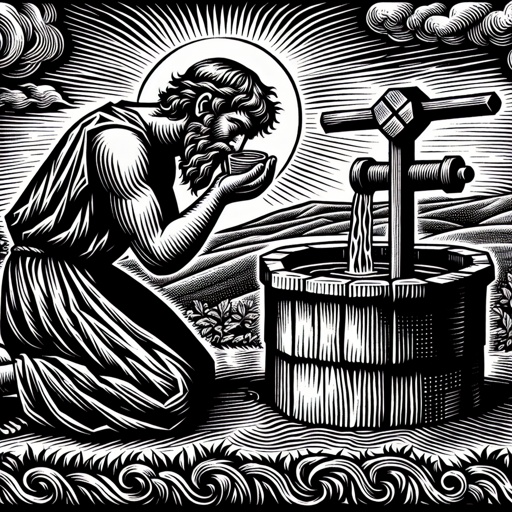
Isaiah 12:3

Isaiah 12:3

Isaiah 12:3

Isaiah 12:3

Isaiah 12:3

Isaiah 12:3

Isaiah 12:3

isaiah 44:3

Isaiah 12:3

Isaiah 12:3

Isaiah 12:3

Isaiah 12:3