What does Isaiah 3:14 mean?
"The LORD will enter into judgment with the ancients of his people, and the princes thereof: for ye have eaten up the vineyard; the spoil of the poor is in your houses." - Isaiah 3:14
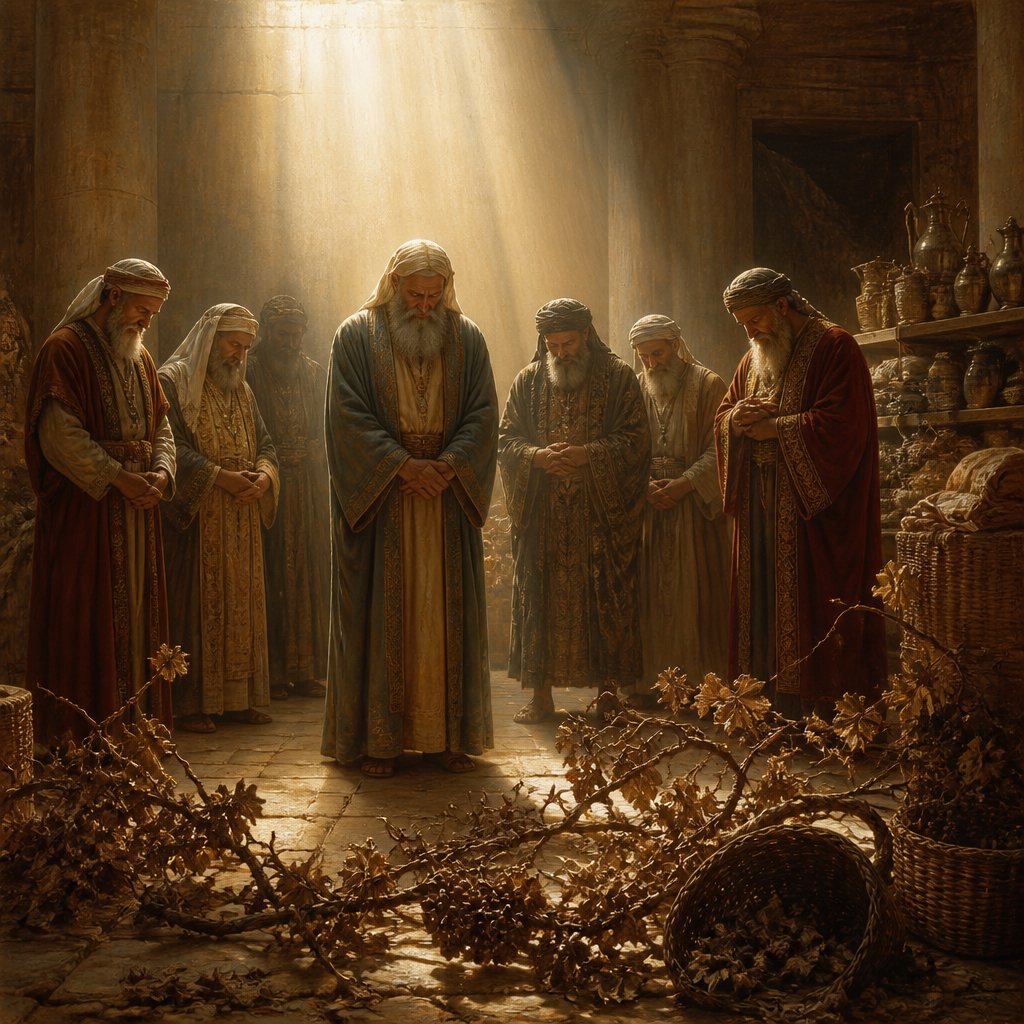
Isaiah 3:14 from the King James Version of the Bible reads, "The Lord will enter into judgment with the ancients of his people, and the princes thereof: for ye have eaten up the vineyard; the spoil of the poor is in your houses."
This verse is part of a larger passage in the book of Isaiah that contains a series of prophecies and warnings to the people of Judah and Jerusalem. The prophet Isaiah was called by God to deliver messages of warning and judgment to the people, urging them to repent and turn back to God. In Isaiah 3:14, the focus is on the corrupt leaders and elders of the community who have taken advantage of their power and authority for personal gain, leading to the oppression and exploitation of the most vulnerable members of society.
The verse begins with the Lord entering into judgment with the "ancients" and "princes" of the people. The term "ancients" refers to the elders or leaders who held positions of authority and wisdom in the community, while the "princes" were likely the rulers or officials who held political power. The judgment of the Lord is a warning to these individuals that they will be held accountable for their actions and their failure to protect and care for the people under their charge.
The metaphor of "eating up the vineyard" is used to describe the actions of these corrupt leaders. In biblical times, the vineyard was often used as a symbol of God's people or the nation of Israel, and the fruit of the vineyard represented the prosperity and well-being of the people. By "eating up the vineyard," these leaders have selfishly consumed the resources and wealth of the community, leaving little for the rest of the people. This imagery paints a picture of greed, exploitation, and selfishness on the part of the leaders, who have disregarded their responsibility to steward and protect the resources entrusted to them by God.
The verse also speaks to the presence of "the spoil of the poor" in the houses of these corrupt leaders. This reveals the extent of the injustice and oppression being perpetrated by those in positions of power. The spoils or possessions of the poor have been unlawfully taken and hoarded by the wealthy and influential, further exacerbating the disparity between the rich and the poor in the community.
Overall, Isaiah 3:14 serves as a powerful indictment against the moral and ethical failures of the leaders and elders of Judah and Jerusalem. It highlights the perversion of justice, the exploitation of the vulnerable, and the greed and selfishness of those in positions of authority. The verse conveys a strong message of social and economic injustice, warning of the divine judgment that awaits those who fail to uphold righteousness and compassion in their leadership.
In a broader theological context, this passage reflects the consistent biblical theme of God's concern for justice and mercy, particularly for the marginalized and oppressed in society. Throughout the Bible, God's heart for justice and righteousness is evident, and the prophets, including Isaiah, consistently speak out against the mistreatment of the poor and vulnerable. This verse serves as a reminder that God holds leaders accountable for their actions and expects them to use their power and influence for the betterment of society, particularly for those in need.
Symbolically, the vineyard represents not only the physical wealth and resources of the community but also the spiritual well-being of God's people. The leaders' exploitation of the vineyard mirrors their neglect of their spiritual responsibilities, failing to nurture and protect the spiritual welfare of their community. The spoils of the poor in their houses serve as a tangible representation of the inequity and injustice that has permeated the society, a stark contrast to God's desire for His people to live in harmony and care for one another.
In conclusion, Isaiah 3:14 conveys a powerful message of social and economic justice, highlighting the accountability of leaders and the responsibility to steward resources for the well-being of all. The verse serves as a timeless reminder of the importance of integrity and righteousness in leadership and the call to advocate for the marginalized and oppressed in society. It prompts reflection on our own role in advocating for justice and mercy in our communities, as we seek to embody the compassionate and just heart of God.
Have questions about Isaiah 3:14?
Dive deeper into this scripture with Bible Chat — an AI-powered tool for exploring God's Word through conversation. Ask questions, get context, and grow in your understanding of the Bible.
Get Our Apps


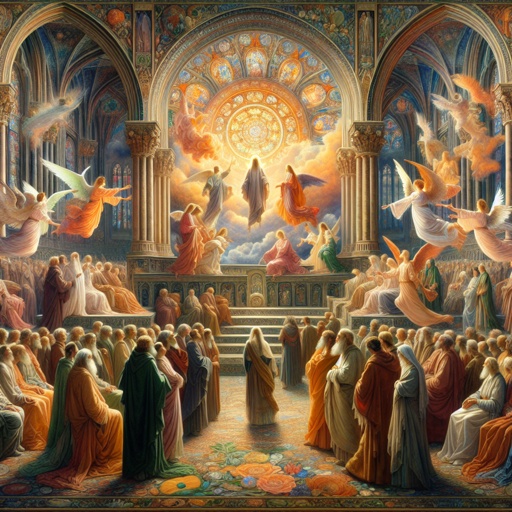
Isaiah 3:14 Artwork

Isaiah 3:14 - "The LORD will enter into judgment with the ancients of his people, and the princes thereof: for ye have eaten up the vineyard; the spoil of the poor is in your houses."

Isaiah 3:14-15 - "The LORD enters into judgment against the elders and leaders of his people: "It is you who have ruined my vineyard; the plunder from the poor is in your houses. What do you mean by crushing my people and grinding the faces of the poor?" declares the Lord, the LORD Almighty."
"The LORD will enter into judgment with the ancients of his people, and the princes thereof: for ye have eaten up the vineyard; the spoil of the poor is in your houses." - Isaiah 3:14
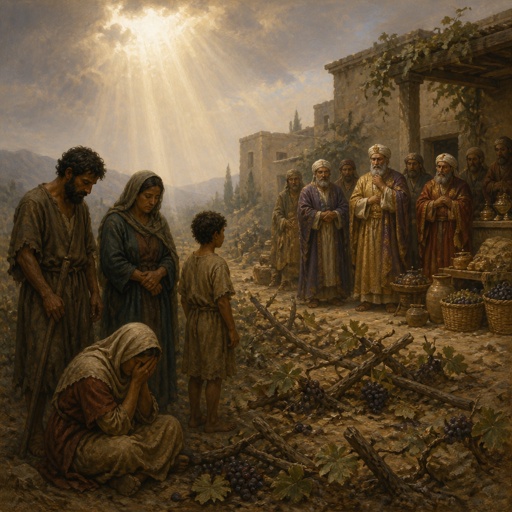
"The LORD enters into judgment against the elders and leaders of his people: "It is you who have ruined my vineyard; the plunder from the poor is in your houses. What do you mean by crushing my people and grinding the faces of the poor?" declares the Lord, the LORD Almighty." - Isaiah 3:14-15

Isaiah 14:3 - "And it shall come to pass in the day that the LORD shall give thee rest from thy sorrow, and from thy fear, and from the hard bondage wherein thou wast made to serve,"

Isaiah 14:12

isaiah 5:14

Isaiah 14:25

Isaiah 14:14 - "I will ascend above the heights of the clouds; I will be like the most High."

Isaiah 14:28 - "In the year that king Ahaz died was this burden."

Isaiah 12:3
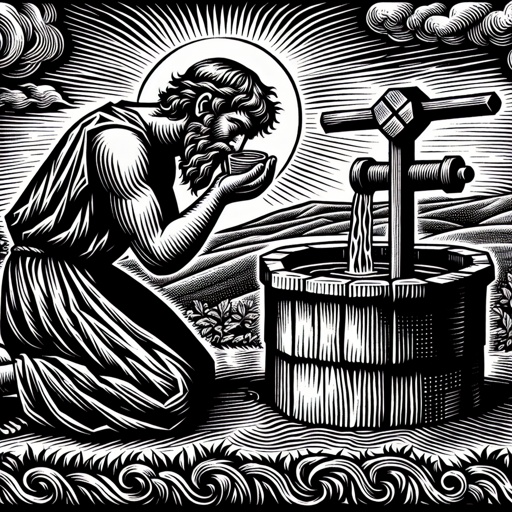
Isaiah 12:3

Isaiah 12:3

Isaiah 12:3

Isaiah 12:3

Isaiah 12:3

Isaiah 12:3

Isaiah 12:3

isaiah 44:3

Isaiah 12:3

Isaiah 12:3

Isaiah 12:3

Isaiah 12:3

Isaiah 12:3

Isaiah 12:3

Isaiah 12:3

Isaiah 26:3

Isaiah 12:3
Isaiah 12:3

Isaiah 12:3