What does Isaiah 32:12 mean?
"They shall lament for the teats, for the pleasant fields, for the fruitful vine." - Isaiah 32:12

Isaiah 32:12 in the King James Version of the Bible reads: "They shall lament for the teats, for the pleasant fields, for the fruitful vine." This verse is part of a larger passage in which the prophet Isaiah is delivering a message from God to the people of Judah. In this specific verse, Isaiah is speaking about the impending destruction and devastation that will come upon the land as a result of the people's sin and disobedience.
To truly understand the meaning and significance of this verse, it is important to consider the context in which it was written. The book of Isaiah is set during a time of great turmoil and political instability in the kingdom of Judah. The people had turned away from God and were engaging in idolatry and wickedness. Isaiah was tasked with delivering a message of warning and judgment to the people, calling them to repentance and obedience to God's laws.
In Isaiah 32:12, the prophet speaks of the people lamenting for the loss of "the teats, the pleasant fields, and the fruitful vine." These images symbolize the fertility and abundance of the land, which will be lost as a result of the impending destruction. The people will mourn the loss of these physical blessings, but the deeper significance lies in the spiritual and moral decay that has led to this devastation.
The mention of "the teats" could be interpreted as a reference to the nursing of infants, symbolizing the loss of innocence and purity. The "pleasant fields" and "fruitful vine" represent the flourishing and richness of the land, which will be ravaged and left desolate. This imagery serves to underscore the severity of the judgment that is coming upon the people as a consequence of their disobedience and rebellion against God.
The themes present in this verse are those of judgment, repentance, and restoration. The destruction and lamentation described in Isaiah 32:12 are the direct result of the people's sinful actions, and serve as a stark warning of the consequences of turning away from God. However, woven throughout the book of Isaiah is a message of hope and redemption. The prophet consistently calls the people to repentance, and assures them that God's mercy and grace are available to those who turn back to Him.
This passage serves as a powerful reminder of the importance of obedience and faithfulness to God. The physical destruction and loss described in Isaiah 32:12 are ultimately a manifestation of the spiritual and moral decay that has taken hold of the people. The message to lament for the loss of these blessings is a call to recognize the gravity of their actions and to turn back to God in humility and repentance.
The symbolism of fertility and abundance being lost emphasizes the devastating impact of sin and disobedience, but also points to the potential for renewal and restoration through God's grace. Isaiah's message is one of warning, but also one of hope. It is a reminder that even in the face of judgment, God's mercy and forgiveness are available to those who seek Him.
In conclusion, Isaiah 32:12 from the King James Version of the Bible conveys a powerful message of warning and judgment, but also offers hope for repentance and restoration. The imagery and symbolism used by the prophet serve to emphasize the profound spiritual and moral implications of the people's actions, and point to the need for humility, obedience, and reliance on God's grace. This verse stands as a timeless reminder of the consequences of turning away from God, and the promise of forgiveness and renewal for those who seek Him.
Have questions about Isaiah 32:12?
Dive deeper into this scripture with Bible Chat — an AI-powered tool for exploring God's Word through conversation. Ask questions, get context, and grow in your understanding of the Bible.
Get Our Apps


Isaiah 32:12 Artwork

Isaiah 32:12 - "They shall lament for the teats, for the pleasant fields, for the fruitful vine."

"They shall lament for the teats, for the pleasant fields, for the fruitful vine." - Isaiah 32:12

2 Chronicles 32:32 - "Now the rest of the acts of Hezekiah, and his goodness, behold, they are written in the vision of Isaiah the prophet, the son of Amoz, and in the book of the kings of Judah and Israel."

Isaiah 32:16 - "Then judgment shall dwell in the wilderness, and righteousness remain in the fruitful field."

Isaiah 32:17 - "And the work of righteousness shall be peace; and the effect of righteousness quietness and assurance for ever."

Isaiah 32:1 - "Behold, a king shall reign in righteousness, and princes shall rule in judgment."

Isaiah 32:8 - "But the liberal deviseth liberal things; and by liberal things shall he stand."

Isaiah 32:3 - "And the eyes of them that see shall not be dim, and the ears of them that hear shall hearken."

Isaiah 32:5 - "The vile person shall be no more called liberal, nor the churl said to be bountiful."

Isaiah 32:19 - "When it shall hail, coming down on the forest; and the city shall be low in a low place."

Isaiah 32:18 - "And my people shall dwell in a peaceable habitation, and in sure dwellings, and in quiet resting places;"

2 Chronicles 32:20 - "And for this cause Hezekiah the king, and the prophet Isaiah the son of Amoz, prayed and cried to heaven."

Nehemiah 12:32 - "And after them went Hoshaiah, and half of the princes of Judah,"

Isaiah 32:20 - "Blessed are ye that sow beside all waters, that send forth thither the feet of the ox and the ass."

Isaiah 32:4 - "The heart also of the rash shall understand knowledge, and the tongue of the stammerers shall be ready to speak plainly."

Isaiah 32:15 - "Until the spirit be poured upon us from on high, and the wilderness be a fruitful field, and the fruitful field be counted for a forest."

Deuteronomy 32:12 - "So the LORD alone did lead him, and there was no strange god with him."

isaiah 32:2-3 emphasis on Jesus Christ being unnatractive

Isaiah 14:12

Isaiah 12:3
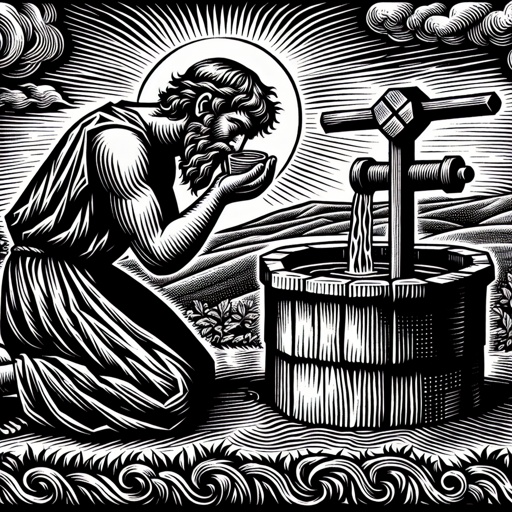
Isaiah 12:3

Isaiah 12:6

Isaiah 29:12

Isaiah 12:6

Isaiah 12:3

Isaiah 12:3

Isaiah 12:3

Isaiah 12:3

Isaiah 12:3

Isaiah 12:3