What does Isaiah 21:11 mean?
"¶ The burden of Dumah. He calleth to me out of Seir, Watchman, what of the night? Watchman, what of the night?" - Isaiah 21:11
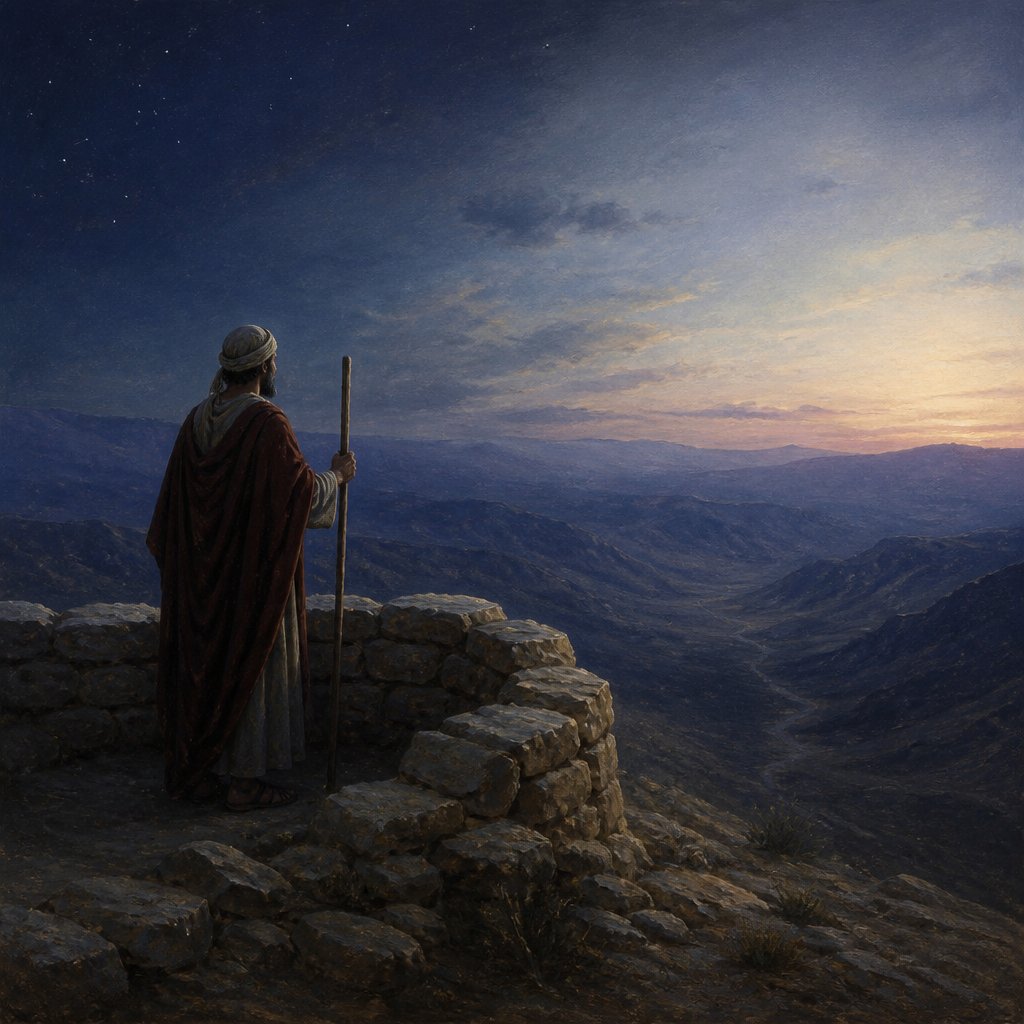
In Isaiah 21:11 (KJV), the verse reads: "The burden of Dumah. He calleth to me out of Seir, Watchman, what of the night? Watchman, what of the night?"
This verse is part of a series of prophecies against various nations, and Dumah refers to Edom, a nation in the southern part of the region. The "burden" in this context means a message or prophecy given by God, and it carries a weight or significance that the people must take seriously. The prophet Isaiah is addressing the people of Edom, and the message is delivered in the form of a question posed to a watchman, asking about the state of the night.
The verse carries several themes and can be interpreted in multiple ways. One of the central themes is the concept of vigilance and watchfulness. The watchman is responsible for observing and protecting the city, and the question "what of the night?" reflects the need to be attentive and aware of the spiritual and moral state of the nation. This theme can be applied to the individual as well, urging them to be vigilant in their faith and to remain watchful for signs of God's presence and guidance.
Another theme in this verse is the idea of seeking guidance and understanding. The call of the people of Dumah to the watchman can be seen as a metaphor for seeking divine wisdom and insight. By addressing the watchman, the people are reaching out for guidance and understanding of their current situation. This theme emphasizes the importance of seeking God's counsel and trusting in His wisdom rather than relying on human understanding alone.
The symbolism in this verse is also significant. The night can be seen as a time of darkness and uncertainty, representing the challenges and difficulties that the people of Dumah are facing. The question about the night serves as a metaphor for the broader question about the state of the nation and its future. It reflects a sense of unease and a desire for clarity and reassurance amidst difficult circumstances.
Furthermore, the use of the watchman as a figure of authority and insight is symbolically rich. The watchman represents the prophetic voice, someone who is called to be vigilant and to discern the signs of the times. In this context, the watchman is a symbolic representation of the prophet Isaiah, who is called to deliver God's message to the people. The watchman's role is to interpret the signs and provide guidance, which aligns with the responsibility of the prophet to convey God's will and offer insight into the nation's spiritual condition.
In the broader context of the book of Isaiah, this verse is part of a collection of prophecies that address various nations and their fates. The message to the people of Dumah is a reminder of God's sovereignty and His ultimate authority over all nations. It serves as a warning to the people of Edom to turn to God and seek His guidance, rather than relying on their own strength and understanding.
In conclusion, Isaiah 21:11 (KJV) carries rich symbolism and themes related to vigilance, seeking guidance, and the role of the prophet as a watchman. It serves as a reminder of the need to remain watchful and attentive to God's guidance, especially in times of darkness and uncertainty. The verse emphasizes the importance of seeking divine wisdom and trusting in God's sovereignty, and it serves as a powerful message for the people of Dumah and for readers today.
Have questions about Isaiah 21:11?
Dive deeper into this scripture with Bible Chat — an AI-powered tool for exploring God's Word through conversation. Ask questions, get context, and grow in your understanding of the Bible.
Get Our Apps


Isaiah 21:11 Artwork

Isaiah 21:11 - "¶ The burden of Dumah. He calleth to me out of Seir, Watchman, what of the night? Watchman, what of the night?"
"¶ The burden of Dumah. He calleth to me out of Seir, Watchman, what of the night? Watchman, what of the night?" - Isaiah 21:11

Isaiah 5:21

Isaiah 5:21

Isaiah 3:21 - "The rings, and nose jewels,"

Isaiah 11

Habakkuk 2:1-3

Luke 2:1-20

1 Timothy 2:1-7

1 Timothy 2:1-7

Isaiah 57:21 - "There is no peace, saith my God, to the wicked."

Isaiah 38:21 - "For Isaiah had said, Let them take a lump of figs, and lay it for a plaister upon the boil, and he shall recover."

Isaiah 11:1

Isaiah 55:11

Revelation 21:11

Revelation 21:11

Genesis 21-11

Isaiah 51:21 - "¶ Therefore hear now this, thou afflicted, and drunken, but not with wine:"

Isaiah 11:1-9

Isaiah 66:21 - "And I will also take of them for priests and for Levites, saith the LORD."

Isaiah 11:1-9

Isaiah 11:1-9

"The rings, and nose jewels," - Isaiah 3:21

"The rings, and nose jewels," - Isaiah 3:21

Matthew 21:1-11

Isaiah 5:21 - "Woe unto them that are wise in their own eyes, and prudent in their own sight!"

Isaiah 10:21 - "The remnant shall return, even the remnant of Jacob, unto the mighty God."

Isaiah 37:21 - "¶ Then Isaiah the son of Amoz sent unto Hezekiah, saying, Thus saith the LORD God of Israel, Whereas thou hast prayed to me against Sennacherib king of Assyria:"

Isaiah 43:21 - "This people have I formed for myself; they shall shew forth my praise."

Isaiah 36:21 - "But they held their peace, and answered him not a word: for the king's commandment was, saying, Answer him not."