What does Isaiah 1:8 mean?
"And the daughter of Zion is left as a cottage in a vineyard, as a lodge in a garden of cucumbers, as a besieged city." - Isaiah 1:8
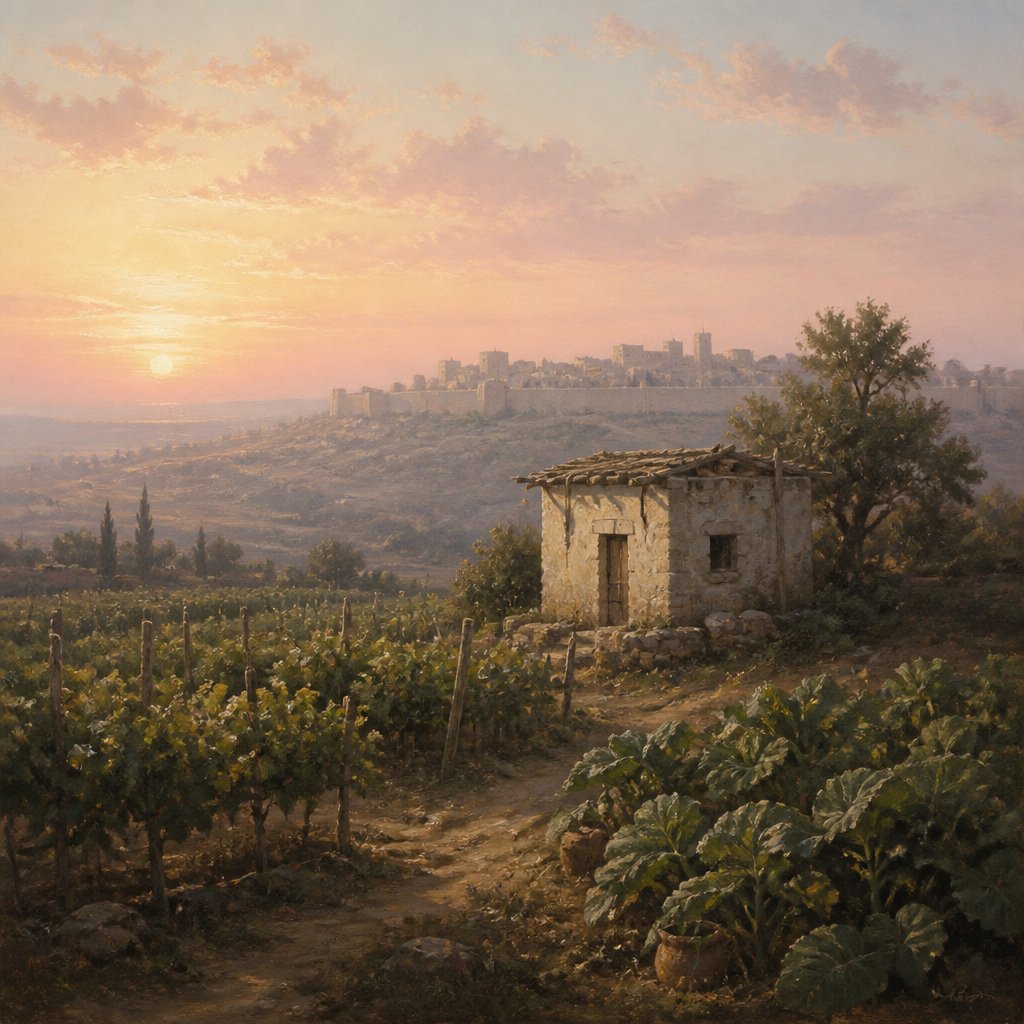
Isaiah 1:8 (KJV) says, "And the daughter of Zion is left as a cottage in a vineyard, as a lodge in a garden of cucumbers, as a besieged city." This verse is a part of the first chapter of the Book of Isaiah, which begins with the words, "The vision of Isaiah the son of Amoz, which he saw concerning Judah and Jerusalem in the days of Uzziah, Jotham, Ahaz, and Hezekiah, kings of Judah." The Book of Isaiah is a prophetic book in the Old Testament, attributed to the prophet Isaiah. It is considered one of the major prophets and is highly revered in both Judaism and Christianity.
The verse itself uses metaphorical language to describe the state of the daughter of Zion, which refers to the people of Jerusalem and Judah. The imagery of a cottage in a vineyard, a lodge in a garden of cucumbers, and a besieged city signifies desolation, vulnerability, and isolation. These metaphors paint a picture of a once flourishing and secure place that has now been abandoned and left to ruin.
The mention of a cottage in a vineyard evokes the image of a small, humble dwelling on the outskirts of a vineyard, isolated and unprotected. This could symbolize the state of the people of Zion, who have been abandoned and left vulnerable to external threats. Similarly, the comparison to a lodge in a garden of cucumbers suggests a temporary and precarious dwelling, emphasizing the impermanence and instability of their situation.
The description of the daughter of Zion as a besieged city further emphasizes the theme of vulnerability and isolation. A besieged city is under attack and cut off from the outside world, facing imminent danger and hardship. This image conveys the sense of being trapped and surrounded by enemies, unable to escape or find refuge.
The use of these metaphors serves to highlight the spiritual and moral decay of the people of Zion. The once proud and prosperous city has been reduced to a state of ruin and desolation, reflecting their abandonment of God's laws and their descent into sin and disobedience. The verse conveys a sense of loss and despair, as the people are left to suffer the consequences of their actions.
In a broader context, this verse speaks to the universal theme of divine judgment and the consequences of turning away from God. It serves as a warning to the people of Israel, urging them to repent and return to God before it is too late. The imagery of desolation and vulnerability serves as a powerful reminder of the repercussions of forsaking God and straying from His path.
Symbolically, the daughter of Zion represents the collective identity of the people of Israel, while the cottage, lodge, and besieged city symbolize their spiritual and moral condition. The verse conveys a sense of hopelessness and despair, as the people are left to face the consequences of their actions without the protection and guidance of God.
In conclusion, Isaiah 1:8 (KJV) is a powerful and evocative verse that uses metaphorical language to convey the spiritual and moral decay of the people of Zion. It serves as a warning of the consequences of turning away from God and the need for repentance and restoration. The imagery of desolation and vulnerability resonates with readers, reminding them of the importance of remaining faithful to God and following His commandments. This verse continues to hold relevance and significance in the lives of believers, serving as a timeless reminder of the enduring consequences of disobedience and the hope of redemption through God's grace.
Have questions about Isaiah 1:8?
Dive deeper into this scripture with Bible Chat — an AI-powered tool for exploring God's Word through conversation. Ask questions, get context, and grow in your understanding of the Bible.
Get Our Apps


Isaiah 1:8 Artwork

Isaiah 1:8 - "And the daughter of Zion is left as a cottage in a vineyard, as a lodge in a garden of cucumbers, as a besieged city."

"And the daughter of Zion is left as a cottage in a vineyard, as a lodge in a garden of cucumbers, as a besieged city." - Isaiah 1:8

Isaiah 64:8

Isaiah 8:1 - "Moreover the LORD said unto me, Take thee a great roll, and write in it with a man's pen concerning Maher-shalal-hash-baz."

Isaiah 19:8

Isaiah 6:8

Isaiah 60:8 - "Who are these that fly as a cloud, and as the doves to their windows?"

Isaiah 65:8 A new wine

Isaiah 10:8 - "For he saith, Are not my princes altogether kings?"

Isaiah 39:8 - "Then said Hezekiah to Isaiah, Good is the word of the LORD which thou hast spoken. He said moreover, For there shall be peace and truth in my days."

Isaiah 34:8 - "For it is the day of the LORD'S vengeance, and the year of recompences for the controversy of Zion."

Isaiah 8:5 - "¶ The LORD spake also unto me again, saying,"

Isaiah 8:16 - "Bind up the testimony, seal the law among my disciples."

Isaiah 8:20 - "To the law and to the testimony: if they speak not according to this word, it is because there is no light in them."

Isaiah 28:8 - "For all tables are full of vomit and filthiness, so that there is no place clean."

Isaiah 9:8 - "¶ The Lord sent a word into Jacob, and it hath lighted upon Israel."

Isaiah 43:8 - "¶ Bring forth the blind people that have eyes, and the deaf that have ears."

Isaiah 32:8 - "But the liberal deviseth liberal things; and by liberal things shall he stand."

Isaiah 8:15 - "And many among them shall stumble, and fall, and be broken, and be snared, and be taken."

Isaiah 46:8 - "Remember this, and shew yourselves men: bring it again to mind, O ye transgressors."

Isaiah 24:8 - "The mirth of tabrets ceaseth, the noise of them that rejoice endeth, the joy of the harp ceaseth."

Isaiah 40:8 - "The grass withereth, the flower fadeth: but the word of our God shall stand for ever."

Isaiah 63:8 - "For he said, Surely they are my people, children that will not lie: so he was their Saviour."

Isaiah 55:8 - "¶ For my thoughts are not your thoughts, neither are your ways my ways, saith the LORD."

Isaiah 22:8 - "¶ And he discovered the covering of Judah, and thou didst look in that day to the armour of the house of the forest."

Isaiah 8:6 - "Forasmuch as this people refuseth the waters of Shiloah that go softly, and rejoice in Rezin and Remaliah's son;"

Isaiah 2:1 - "The word that Isaiah the son of Amoz saw concerning Judah and Jerusalem."

Isaiah 1:1 - "The vision of Isaiah the son of Amoz, which he saw concerning Judah and Jerusalem in the days of Uzziah, Jotham, Ahaz, and Hezekiah, kings of Judah."

Isaiah 13:1 - "The burden of Babylon, which Isaiah the son of Amoz did see."
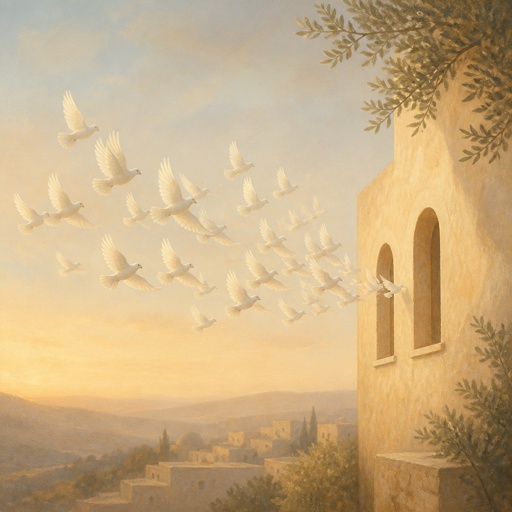
"Who are these that fly as a cloud, and as the doves to their windows?" - Isaiah 60:8