What does Isaiah 1:28 mean?
"¶ And the destruction of the transgressors and of the sinners shall be together, and they that forsake the LORD shall be consumed." - Isaiah 1:28
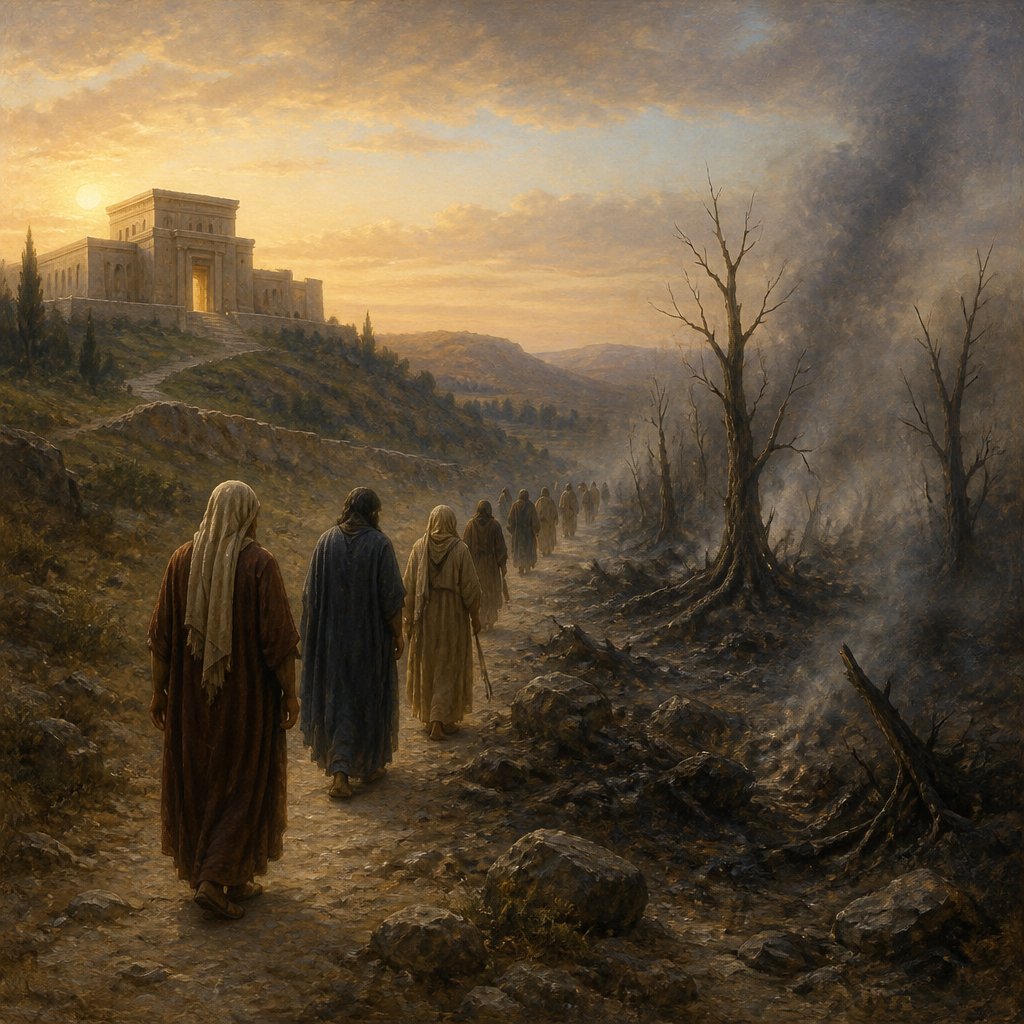
Isaiah 1:28 in the King James Version of the Bible reads, "And the destruction of the transgressors and of the sinners shall be together, and they that forsake the Lord shall be consumed." This verse is part of a larger passage in which the prophet Isaiah is speaking on behalf of God to the people of Judah, whom God sees as a rebellious and sinful nation. This verse is a warning of the consequences that will befall those who continue to reject and forsake the Lord.
In order to truly understand the meaning and significance of Isaiah 1:28, it is important to consider the context in which it is situated. The entire first chapter of Isaiah is a rebuke and a warning from God to the people of Judah. The Lord expresses his frustration with their empty religious practices and their lack of justice and righteousness. He condemns their rebellion and sin, and warns them of the coming destruction that will befall them if they do not repent and turn back to him.
The verse in question, Isaiah 1:28, specifically addresses the fate of the transgressors, sinners, and those who forsake the Lord. It speaks to the ultimate consequence of their actions, which is destruction and consumption. The use of these strong and evocative words emphasizes the severity of the punishment that awaits those who persist in their rebellion against God.
One of the key themes in this verse is the concept of divine judgment and retribution. The Lord is portrayed as a just and righteous God who cannot tolerate the persistent sin and rebellion of his people. The destruction and consumption mentioned in the verse are seen as inevitable outcomes of the people's actions, and serve as a warning of the consequences of forsaking the Lord.
Another important theme in this verse is the idea of forsaking the Lord. The act of forsaking God is seen as a deliberate and willful turning away from him, a rejection of his authority and guidance. The verse suggests that those who choose to forsake the Lord are aligning themselves with the transgressors and sinners, and will ultimately share in their fate.
Symbolism is also present in this verse, particularly in the use of the words "destruction" and "consumption." These words evoke images of complete and utter annihilation, emphasizing the severity of the punishment that awaits the transgressors and sinners. They serve as a stark reminder of the consequences of disobedience and rebellion.
In conclusion, Isaiah 1:28 is a powerful and sobering warning from God to the people of Judah. It serves as a reminder of the inevitability of divine judgment and retribution for those who persist in their rebellion and rejection of the Lord. The verse speaks to the themes of divine justice, forsaking God, and the symbolism of destruction and consumption. It serves as a call to repentance and a reminder of the consequences of turning away from God.
Have questions about Isaiah 1:28?
Dive deeper into this scripture with Bible Chat — an AI-powered tool for exploring God's Word through conversation. Ask questions, get context, and grow in your understanding of the Bible.
Get Our Apps


Isaiah 1:28 Artwork

Isaiah 1:28 - "¶ And the destruction of the transgressors and of the sinners shall be together, and they that forsake the LORD shall be consumed."
"¶ And the destruction of the transgressors and of the sinners shall be together, and they that forsake the LORD shall be consumed." - Isaiah 1:28

Isaiah 28:1 - "Woe to the crown of pride, to the drunkards of Ephraim, whose glorious beauty is a fading flower, which are on the head of the fat valleys of them that are overcome with wine!"

Isaiah 28:12

Isaiah 28:12

Isaiah 28:28 - "Bread corn is bruised; because he will not ever be threshing it, nor break it with the wheel of his cart, nor bruise it with his horsemen."

Isaiah 14:28 - "In the year that king Ahaz died was this burden."

Isaiah 28:11 - "For with stammering lips and another tongue will he speak to this people."

Isaiah 28:3 - "The crown of pride, the drunkards of Ephraim, shall be trodden under feet:"

Isaiah 28:8 - "For all tables are full of vomit and filthiness, so that there is no place clean."

Isaiah 28:26 - "For his God doth instruct him to discretion, and doth teach him."

Isaiah 28:23 - "¶ Give ye ear, and hear my voice; hearken, and hear my speech."

Isaiah 28:6 - "And for a spirit of judgment to him that sitteth in judgment, and for strength to them that turn the battle to the gate."

Isaiah 28:29 - "This also cometh forth from the LORD of hosts, which is wonderful in counsel, and excellent in working."

Isaiah 28:14 - "¶ Wherefore hear the word of the LORD, ye scornful men, that rule this people which is in Jerusalem."

Isaiah 43:28 - "Therefore I have profaned the princes of the sanctuary, and have given Jacob to the curse, and Israel to reproaches."

"In the year that king Ahaz died was this burden." - Isaiah 14:28

Isaiah 28:5 - "¶ In that day shall the LORD of hosts be for a crown of glory, and for a diadem of beauty, unto the residue of his people,"

Isaiah 10:28 - "He is come to Aiath, he is passed to Migron; at Michmash he hath laid up his carriages:"

Isaiah 37:28 - "But I know thy abode, and thy going out, and thy coming in, and thy rage against me."

Isaiah 28:24 - "Doth the plowman plow all day to sow? doth he open and break the clods of his ground?"

Isaiah 41:28 - "For I beheld, and there was no man; even among them, and there was no counsellor, that, when I asked of them, could answer a word."

Isaiah 28:20 - "For the bed is shorter than that a man can stretch himself on it: and the covering narrower than that he can wrap himself in it."

Isaiah 28:12 - "To whom he said, This is the rest wherewith ye may cause the weary to rest; and this is the refreshing: yet they would not hear."

Isaiah 5:28 - "Whose arrows are sharp, and all their bows bent, their horses' hoofs shall be counted like flint, and their wheels like a whirlwind:"

Isaiah 28:10 - "For precept must be upon precept, precept upon precept; line upon line, line upon line; here a little, and there a little:"

"For with stammering lips and another tongue will he speak to this people." - Isaiah 28:11

1 Chronicles 1:28 - "The sons of Abraham; Isaac, and Ishmael."
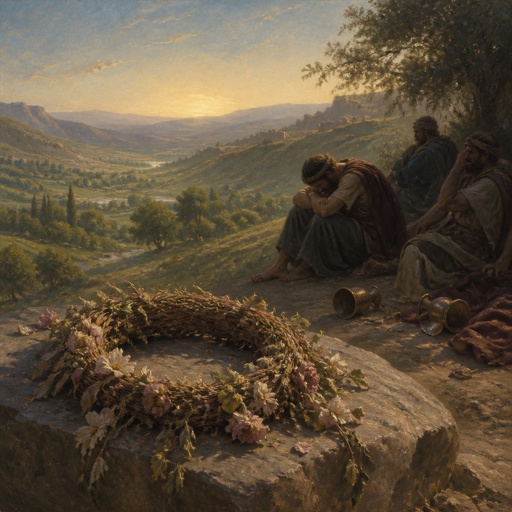
"Woe to the crown of pride, to the drunkards of Ephraim, whose glorious beauty is a fading flower, which are on the head of the fat valleys of them that are overcome with wine!" - Isaiah 28:1

Ezekiel 1:1-28