What does Isaiah 1:2 mean?
"Hear, O heavens, and give ear, O earth: for the LORD hath spoken, I have nourished and brought up children, and they have rebelled against me." - Isaiah 1:2
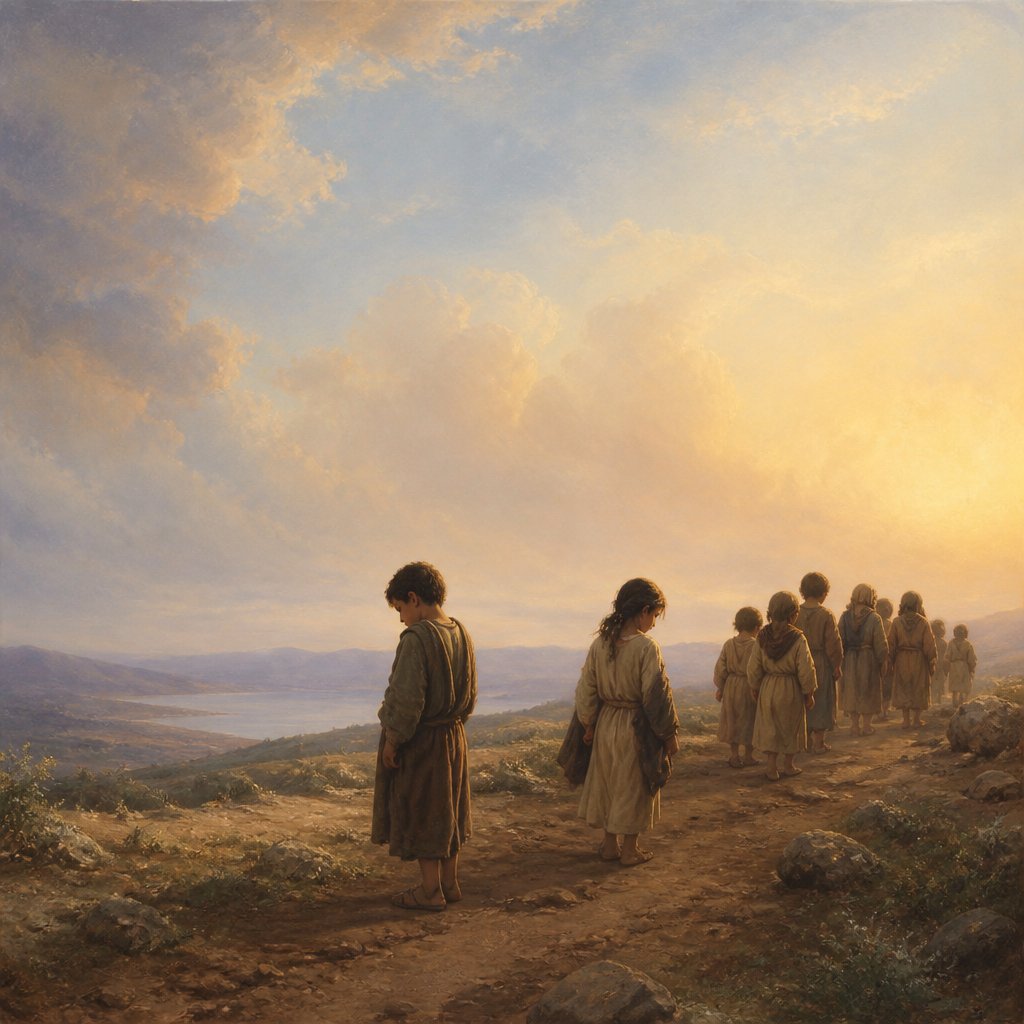
Isaiah 1:2 in the King James Version of the Bible states, "Hear, O heavens, and give ear, O earth: for the LORD hath spoken, I have nourished and brought up children, and they have rebelled against me." This verse sets the tone for the entire book of Isaiah and serves as an introduction to the prophet's message to the people of Israel.
The book of Isaiah is one of the major prophetical books in the Old Testament and is attributed to the prophet Isaiah, who lived in the 8th century BC. The overall theme of the book is the judgment and restoration of Israel, as well as the coming of the Messiah. Isaiah 1:2 specifically addresses the rebellion of the people of Israel against God, and the consequences of their actions.
The opening phrase, "Hear, O heavens, and give ear, O earth," is a poetic and dramatic way for Isaiah to call upon both the heavens and the earth to bear witness to the message he is about to deliver. This indicates the gravity and importance of what is being said. The use of language in this verse conveys the idea that Isaiah's message is not just for the people of Israel, but for all of creation, emphasizing the significance of God's judgment and the rebellion of His people.
The verse goes on to convey God's disappointment and sorrow over the rebellion of His chosen people. He speaks of how He has nourished and brought up His children, but they have turned away from Him. This language reflects the relationship between God and the people of Israel, likening it to that of a parent and a disobedient child. It is a powerful and emotional portrayal of the betrayal and ungratefulness of the Israelites towards their loving and caring God.
The context of this verse is crucial for understanding its significance. At the time of Isaiah, the people of Israel had turned away from God and had become corrupt and sinful. They had abandoned the worship of God and had turned to idolatry, oppression of the poor, and other sinful practices. Isaiah's message was a call to repentance and a warning of the consequences of their actions. The verse serves as a prelude to the prophecies of judgment and the hope of restoration that Isaiah delivers throughout the book.
Symbolically, the heavens and the earth represent all of creation, and calling upon them to witness God's message emphasizes the universal nature of His authority and judgment. The use of parental imagery illustrates the deep bond between God and His people, as well as the pain of betrayal and rejection. The nourishment and upbringing provided by God symbolize His love, care, and guidance for His people. The rebellion of the children symbolizes human sin and disobedience, and the consequences of their actions represent God's righteous judgment.
In conclusion, Isaiah 1:2 sets the stage for the prophet's message of judgment and restoration to the people of Israel. It conveys the depth of God's disappointment and sorrow over the rebellion of His people, using powerful language and symbolism to emphasize the significance of His message. The verse serves as a dramatic and poignant introduction to the themes of the book of Isaiah, and it lays the groundwork for the prophecies of judgment and hope that follow. Ultimately, it is a call to repentance and a reminder of the consequences of turning away from God.
Have questions about Isaiah 1:2?
Dive deeper into this scripture with Bible Chat — an AI-powered tool for exploring God's Word through conversation. Ask questions, get context, and grow in your understanding of the Bible.
Get Our Apps


Isaiah 1:2 Artwork

Isaiah 1:2 - "Hear, O heavens, and give ear, O earth: for the LORD hath spoken, I have nourished and brought up children, and they have rebelled against me."
"Hear, O heavens, and give ear, O earth: for the LORD hath spoken, I have nourished and brought up children, and they have rebelled against me." - Isaiah 1:2

Isaiah 2:1 - "The word that Isaiah the son of Amoz saw concerning Judah and Jerusalem."

Isaiah 66:1-2

Isaiah 12:2

Isaiah 43:2

Isaiah 66:1-2

Isaiah 57:1-2

Isaiah 53:2-3 depiction of Jesus Christ

"The word that Isaiah the son of Amoz saw concerning Judah and Jerusalem." - Isaiah 2:1

Isaiah 66:1-2. Without depicting God's face.

Isaiah 66:1-2. Without depicting God's face.

Isaiah 66:1-2. Without depicting God's face.

Isaiah 66:1-2. Without depicting God's face.

Isaiah 66:1-2. Without depicting God's face.

Isaiah 66:1-2. Without depicting God's face.

isaiah 32:2-3 emphasis on Jesus Christ being unnatractive

Isaiah 66:1-2. Without depicting God's face. Any human images should appear as ancient Israel. .

Isaiah 66:1-2. Without depicting God's face. Any human images should appear middle eastern.

Isaiah 66:1-2. Without depicting God's face. Any human images should appear as ancient Israel. .

Isaiah 1:1 - "The vision of Isaiah the son of Amoz, which he saw concerning Judah and Jerusalem in the days of Uzziah, Jotham, Ahaz, and Hezekiah, kings of Judah."

Isaiah 45:2

Isaiah 13:1 - "The burden of Babylon, which Isaiah the son of Amoz did see."

Isaiah 60:1

Isaiah chapter 2

Isaiah 53:2

Isaiah 11:1

Isaiah 57:1-2 - "The righteous perish, and no one takes it to heart; the devout are taken away, while no one understands. For the righteous are taken away from calamity, they enter into peace; those who walk uprightly will rest on their beds."

Isaiah 6:1-5

Isaiah 6:1-5