What does Isaiah 1:19 mean?
"If ye be willing and obedient, ye shall eat the good of the land:" - Isaiah 1:19
Isaiah 1:19 in the KJV reads, “If ye be willing and obedient, ye shall eat the good of the land.” The meaning of the verse is best understood as a covenant promise spoken into a covenant lawsuit. In Isaiah 1 the LORD addresses Judah and Jerusalem as a people who belong to him yet have turned against him. The chapter opens with the language of parental grievance and rebellion: “I have nourished and brought up children, and they have rebelled against me” (Isaiah 1:2). The nation is described as spiritually diseased—“the whole head is sick, and the whole heart faint” (Isaiah 1:5)—and their land is pictured as ruined and devoured, “your land, strangers devour it in your presence” (Isaiah 1:7). Into that setting Isaiah 1:19 functions as a conditional word of hope: the devastation is not the last word if the people will return to the LORD in the manner he requires.
The immediate context shows that “willing and obedient” is not mere outward religion but a heart-and-life repentance that results in justice and mercy. Earlier in the chapter the LORD rejects their sacrifices and assemblies because their hands and lives are unclean: “Bring no more vain oblations” (Isaiah 1:13), “your hands are full of blood” (Isaiah 1:15). Then the LORD commands the kind of change he seeks: “Wash you, make you clean; put away the evil of your doings from before mine eyes; cease to do evil; Learn to do well; seek judgment, relieve the oppressed, judge the fatherless, plead for the widow” (Isaiah 1:16–17). Isaiah 1:19 is therefore not a promise attached to ritual performance, but to a renewed will and a reformed walk that align with God’s holiness and God’s concern for the vulnerable.
The verse also sits inside a tight sequence of invitation, cleansing, and choice. Just before it, the LORD opens the door to reconciliation: “Come now, and let us reason together, saith the LORD: though your sins be as scarlet, they shall be as white as snow; though they be red like crimson, they shall be as wool” (Isaiah 1:18). This is the symbolism of cleansing and transformation. “Scarlet” and “crimson” evoke deep-stained guilt—sin that seems permanent and unmistakable—yet the LORD declares he can make it “white as snow” and “as wool,” images of purity and newness. Isaiah 1:19 follows as the practical outworking of that mercy: forgiveness is not offered to create indifference toward sin, but to create a people willing to return and obedient to live differently. The cleansing of verse 18 and the obedience of verse 19 belong together.
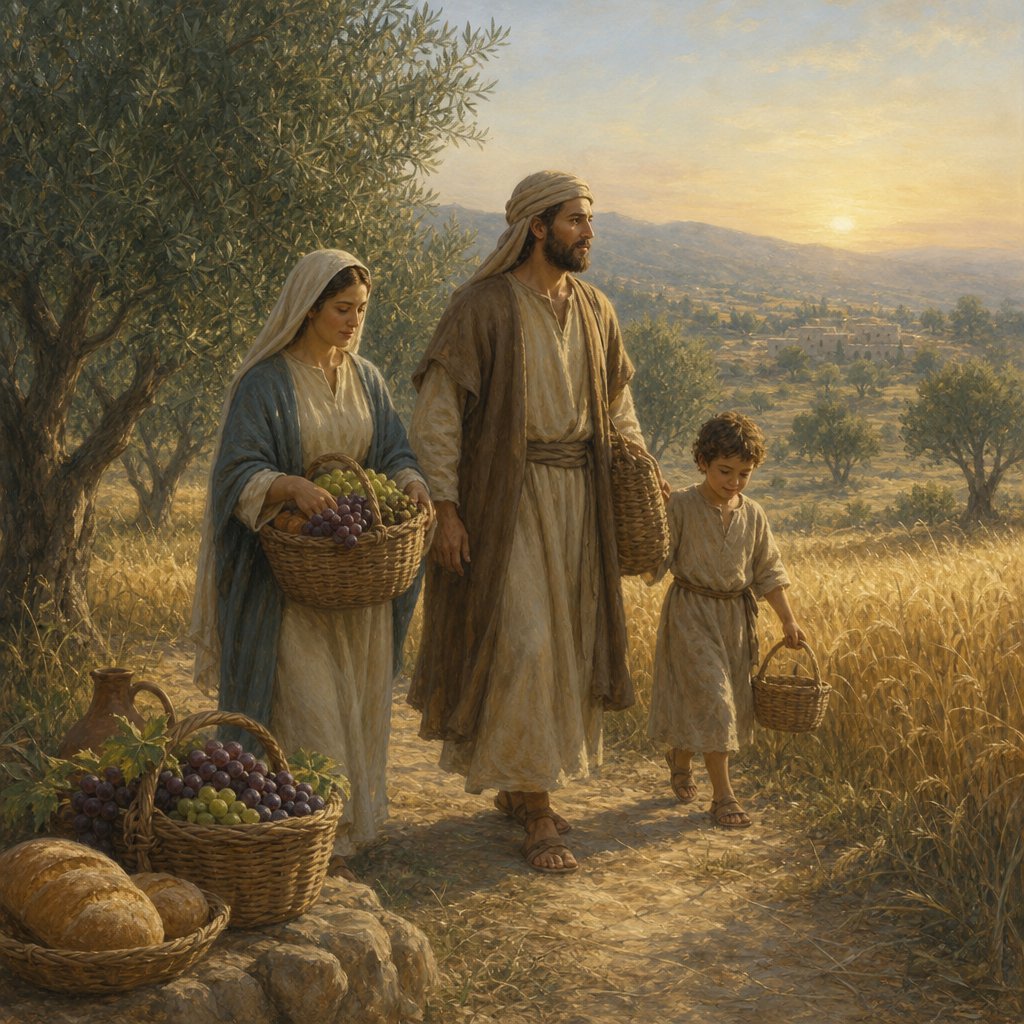
The promise itself, “ye shall eat the good of the land,” carries covenant symbolism rooted in the land as God’s gift and the sign of his favor. In Isaiah 1 the land is not merely a backdrop; it is part of the covenant relationship. Earlier, because of their rebellion, the land is portrayed as suffering: “your land is desolate” (Isaiah 1:7). To “eat the good of the land” is the reversal of that curse-like condition. “Eat” implies enjoyment, provision, and settled peace rather than scarcity, siege, and loss. “The good of the land” points to abundance and wellbeing—fruitfulness instead of barrenness—because the land, in Israel’s story, is where covenant faithfulness is meant to be lived and where covenant blessings are tasted. The phrase therefore symbolizes restored order: God’s people under God’s rule enjoying God’s gifts.
Isaiah 1:19 is also designed to be heard alongside the verse that follows, which supplies the stark contrast and shows the seriousness of the choice. “But if ye refuse and rebel, ye shall be devoured with the sword: for the mouth of the LORD hath spoken it” (Isaiah 1:20). The chapter has already used the language of being “devoured” negatively—“strangers devour it” (Isaiah 1:7)—and now it becomes a moral warning: either the people “eat the good of the land” through willing obedience, or they are “devoured” through refusal and rebellion. The wordplay intensifies the symbolism: covenant life leads to eating; covenant breach leads to being eaten, as it were, by judgment. This is not presented as a mere natural consequence but as the settled authority of God’s decree: “for the mouth of the LORD hath spoken it.”
The key themes in Isaiah 1:19 are therefore repentance, moral renewal, covenant relationship, and the unity of mercy and obedience. “Willing” speaks to the inner posture—an yielded heart rather than a resistant one. “Obedient” speaks to outward fidelity—actions shaped by God’s commands, including justice and care for the oppressed as Isaiah 1:16–17 makes explicit. The reward promised is not simply private prosperity but a restored communal life in the land under God’s favor, in contrast to the desolation and violence described in the chapter. In the flow of Isaiah 1, this verse stands as a gracious summons: the LORD exposes empty worship, offers cleansing for scarlet sin, and then sets before his people a real choice with real consequences—life in restored fellowship that “eats the good,” or rebellion that ends in being “devoured.”
Have questions about Isaiah 1:19?
Dive deeper into this scripture with Bible Chat — an AI-powered tool for exploring God's Word through conversation. Ask questions, get context, and grow in your understanding of the Bible.
Get Our Apps


Isaiah 1:19 Artwork

Isaiah 1:19 - "If ye be willing and obedient, ye shall eat the good of the land:"
"If ye be willing and obedient, ye shall eat the good of the land:" - Isaiah 1:19
"If ye be willing and obedient, ye shall eat the good of the land:" - Isaiah 1:19

"If ye be willing and obedient, ye shall eat the good of the land:" - Isaiah 1:19

"If ye be willing and obedient, ye shall eat the good of the land:" - Isaiah 1:19

Isaiah 19:1

Isaiah 1:9 - "Except the LORD of hosts had left unto us a very small remnant, we should have been as Sodom, and we should have been like unto Gomorrah."

Isaiah 41, 19

Isaiah 19:8

Isaiah 43:19

Isaiah 43:19

Isaiah 43:18-19

Isaiah 19:19 - "In that day shall there be an altar to the LORD in the midst of the land of Egypt, and a pillar at the border thereof to the LORD."

Isaiah 19:1 - "The burden of Egypt. Behold, the LORD rideth upon a swift cloud, and shall come into Egypt: and the idols of Egypt shall be moved at his presence, and the heart of Egypt shall melt in the midst of it."

Isaiah 3:19 - "The chains, and the bracelets, and the mufflers,"

Isaiah 43:18-19
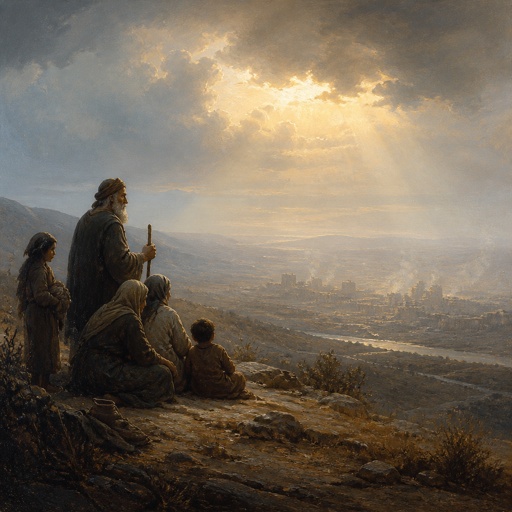
"Except the LORD of hosts had left unto us a very small remnant, we should have been as Sodom, and we should have been like unto Gomorrah." - Isaiah 1:9

"The chains, and the bracelets, and the mufflers," - Isaiah 3:19

Isaiah 3:19 - "The chains, and the bracelets, and the mufflers,"

2 Kings 19:5 - "So the servants of king Hezekiah came to Isaiah."

Isaiah 3:19 - "The chains, and the bracelets, and the mufflers,"

Isaiah 19:9 - "Moreover they that work in fine flax, and they that weave networks, shall be confounded."

Isaiah 19:10 - "And they shall be broken in the purposes thereof, all that make sluices and ponds for fish."

Isaiah 10:19 - "And the rest of the trees of his forest shall be few, that a child may write them."

Isaiah 19:24 - "In that day shall Israel be the third with Egypt and with Assyria, even a blessing in the midst of the land:"

Isaiah 19:5 - "And the waters shall fail from the sea, and the river shall be wasted and dried up."

Isaiah 24:19 - "The earth is utterly broken down, the earth is clean dissolved, the earth is moved exceedingly."

Isaiah 32:19 - "When it shall hail, coming down on the forest; and the city shall be low in a low place."

Isaiah 40:19 - "The workman melteth a graven image, and the goldsmith spreadeth it over with gold, and casteth silver chains."

Isaiah 13:19 - "¶ And Babylon, the glory of kingdoms, the beauty of the Chaldees' excellency, shall be as when God overthrew Sodom and Gomorrah."