What does Isaiah 15:5 mean?
"My heart shall cry out for Moab; his fugitives shall flee unto Zoar, an heifer of three years old: for by the mounting up of Luhith with weeping shall they go it up; for in the way of Horonaim they shall raise up a cry of destruction." - Isaiah 15:5
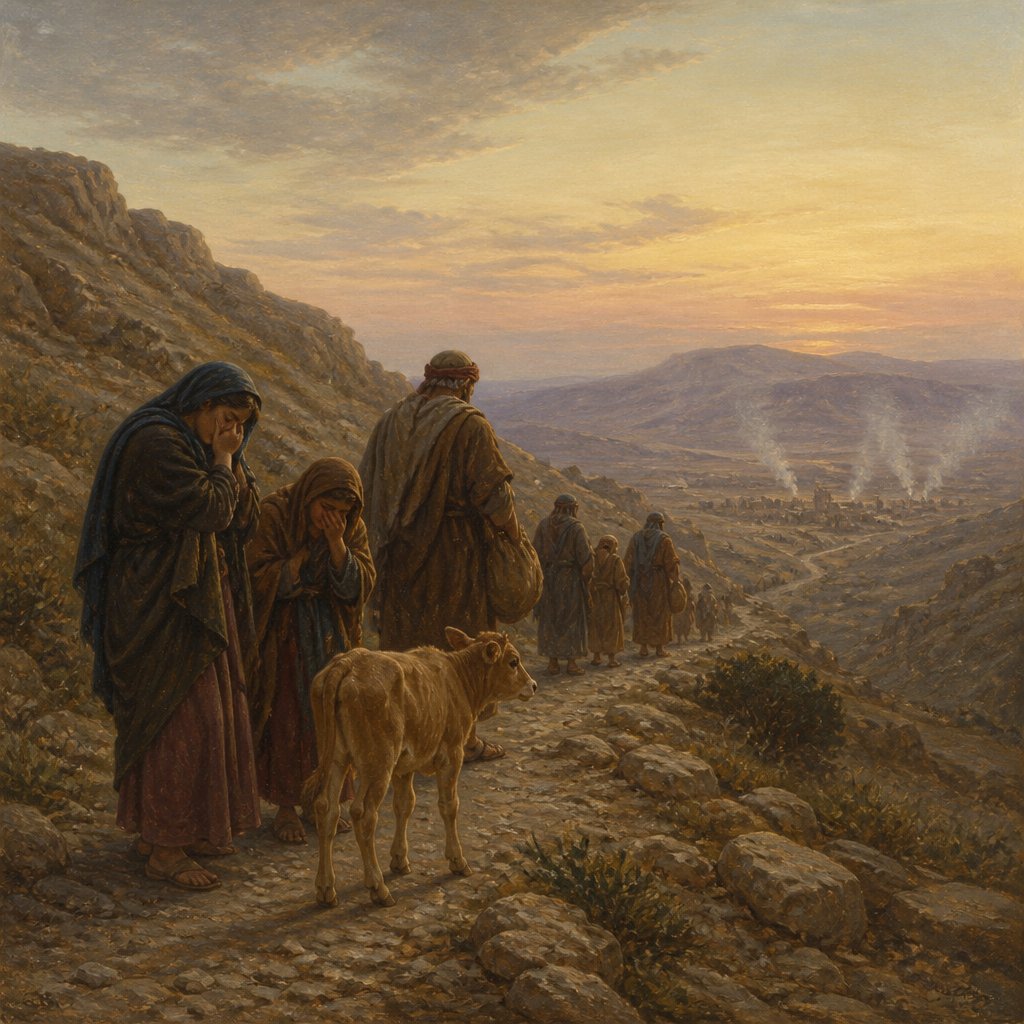
The Bible verse Isaiah 15:5 from the King James Version (KJV) reads: "My heart shall cry out for Moab; his fugitives shall flee unto Zoar, an heifer of three years old: for by the mounting up of Luhith with weeping shall they go it up; for in the way of Horonaim they shall raise up a cry of destruction."
This verse comes from the book of Isaiah, which is the first of the Major Prophets in the Old Testament. The book of Isaiah is a collection of prophecies attributed to the prophet Isaiah, who ministered in Judah during the reigns of Kings Uzziah, Jotham, Ahaz, and Hezekiah. The prophecies in the book of Isaiah address the historical context of Judah's imminent judgment and exile and also contain Messianic prophecies and visions of future restoration.
The specific verse, Isaiah 15:5, is part of a prophecy concerning the judgment and destruction of Moab, a neighboring nation to Israel. In this verse, the prophet Isaiah expresses sorrow and compassion for the people of Moab, despite the impending destruction that is to come upon them. The verse describes the mournful and desperate state of the Moabites as they flee to Zoar, a city of refuge, and make their way through Luhith and Horonaim.
The themes present in this verse include compassion, judgment, and destruction. The prophet Isaiah's compassionate heart for the people of Moab reflects God's mercy and concern for all people, even those outside of the covenant community of Israel. Despite Moab's rebellion and sin, the prophet's heart is moved with compassion for their suffering. This demonstrates the universal scope of God's love and compassion, extending to all nations and peoples.
At the same time, the verse also conveys the theme of judgment and destruction. The plight of the Moabites is described as they flee in fear and sorrow, seeking refuge and safety. The mounting up of Luhith with weeping and the cry of destruction in the way of Horonaim signify the devastating impact of the judgment that is to come upon Moab. This theme emphasizes the righteousness and justice of God, who will hold all nations accountable for their actions.
The context of this verse is important for understanding its meaning. The historical background of the prophecy concerning Moab is rooted in the political and military conflicts of the ancient Near East. Moab was a historical enemy of Israel, and the prophecy in Isaiah 15-16 foretells the destruction and judgment that will befall Moab as a result of their pride, arrogance, and hostility towards God's people. The destruction of Moab serves as a warning and a demonstration of God's sovereignty and justice over all nations.
Symbolism is also present in this verse, particularly in the imagery of the heifer of three years old. In ancient Israelite culture, the sacrifice of a heifer was a significant ritual and symbol of atonement and reconciliation with God. The mention of a heifer in this verse may symbolize the need for repentance and reconciliation between Moab and God in the face of imminent judgment. Additionally, the fleeing of the Moabite fugitives to Zoar, a city of refuge, may symbolize the universal need for a place of safety and refuge in the midst of judgment and calamity.
In conclusion, Isaiah 15:5 is a verse that reflects both the compassion and the judgment of God. The prophet Isaiah's heartfelt sorrow for the people of Moab demonstrates God's universal love and concern for all nations, while the impending destruction and judgment upon Moab emphasize the righteousness and justice of God. The historical context and symbolism of the verse contribute to its rich and complex meaning, highlighting the themes of compassion, judgment, and the universal sovereignty of God over all nations.
Have questions about Isaiah 15:5?
Dive deeper into this scripture with Bible Chat — an AI-powered tool for exploring God's Word through conversation. Ask questions, get context, and grow in your understanding of the Bible.
Get Our Apps


Isaiah 15:5 Artwork
Isaiah 15:5 - "My heart shall cry out for Moab; his fugitives shall flee unto Zoar, an heifer of three years old: for by the mounting up of Luhith with weeping shall they go it up; for in the way of Horonaim they shall raise up a cry of destruction."
"My heart shall cry out for Moab; his fugitives shall flee unto Zoar, an heifer of three years old: for by the mounting up of Luhith with weeping shall they go it up; for in the way of Horonaim they shall raise up a cry of destruction." - Isaiah 15:5

Isaiah 5:15 - "And the mean man shall be brought down, and the mighty man shall be humbled, and the eyes of the lofty shall be humbled:"
"And the mean man shall be brought down, and the mighty man shall be humbled, and the eyes of the lofty shall be humbled:" - Isaiah 5:15

Isaiah 37:5 - "So the servants of king Hezekiah came to Isaiah."

Isaiah 39:5 - "Then said Isaiah to Hezekiah, Hear the word of the LORD of hosts:"

Isaiah 5:21

Isaiah 53:5

Isaiah 5:21

Isaiah 6:1-5

Isaiah 6:1-5

Isaiah 6:1-5

Isaiah 6:1-5

Isaiah 48:5

isaiah 5:14

Isaiah 48:5

Isaiah 48:5

Isaiah 6:5

Isaiah 6:5

Isaiah 48:5

Isaiah 37:15 - "And Hezekiah prayed unto the LORD, saying,"

Isaiah 45:5-6

"So the servants of king Hezekiah came to Isaiah." - Isaiah 37:5

Isaiah 45:5-6

Isaiah 56:3-5

Isaiah 2:15 - "And upon every high tower, and upon every fenced wall,"

Isaiah 14:15 - "Yet thou shalt be brought down to hell, to the sides of the pit."

John 15:5

Exodus 15:5

John 15:5