What does Isaiah 14:13 mean?
"For thou hast said in thine heart, I will ascend into heaven, I will exalt my throne above the stars of God: I will sit also upon the mount of the congregation, in the sides of the north:" - Isaiah 14:13
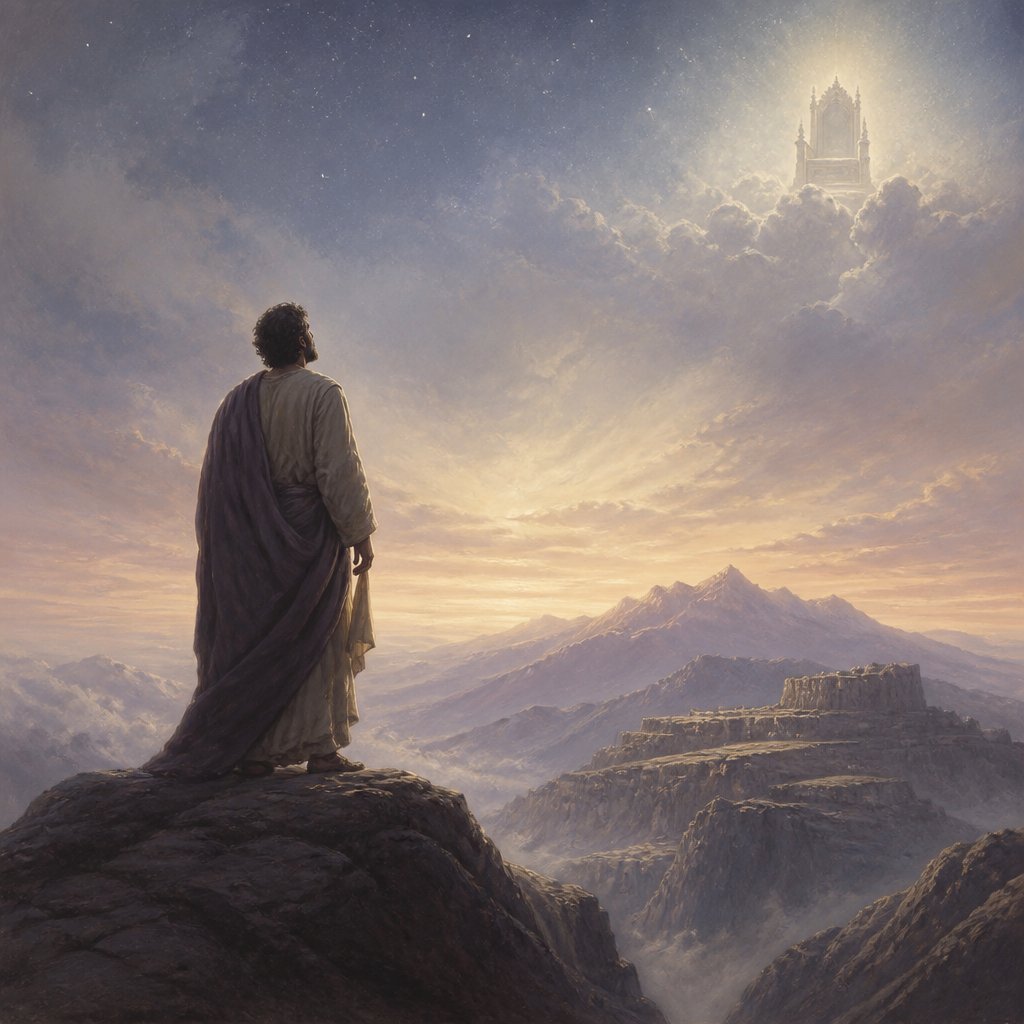
Isaiah 14:13 in the King James Version reads, "For thou hast said in thine heart, I will ascend into heaven, I will exalt my throne above the stars of God: I will sit also upon the mount of the congregation, in the sides of the north." This verse is part of a larger passage in Isaiah that addresses the fall of the King of Babylon. The context of this verse is the prophet Isaiah's declaration of judgment against the prideful ruler of Babylon, who is portrayed as arrogantly declaring his intentions to exalt himself above God.
The theme of the passage in Isaiah 14 is the downfall of pride and the consequences of seeking to elevate oneself above God. This verse serves as a warning against the sin of pride and the desire for power and control. It speaks to the human tendency to exalt oneself and seek to be like God, which ultimately leads to destruction.
In the broader context of the book of Isaiah, the prophet is addressing the rebellious nature of humanity and the consequences of turning away from God. The King of Babylon is used as an illustration of this rebellion and the folly of trying to oppose God.
The symbolism in this verse is significant, as it portrays the King of Babylon as aspiring to ascend into heaven and exalt his throne above the stars of God. This imagery reflects the height of pride and self-exaltation, as the king seeks to place himself on par with God. The reference to sitting upon the mount of the congregation in the sides of the north further reinforces the image of the king seeking to usurp God's authority and rule over all creation.
In a broader theological sense, this verse serves as a reminder of the sovereignty and authority of God. It emphasizes the futility of human attempts to rival God and the inevitable judgment that follows such prideful rebellion. The passage ultimately points to the need for humility and submission to God's will, rather than seeking to exalt oneself.
The imagery of ascending into heaven and exalting one's throne above the stars of God also has cosmic significance. It speaks to the hubris of attempting to surpass the divine order and disrupt the established hierarchy. This imagery is reminiscent of the story of Lucifer's pride and fall from heaven, as portrayed in other biblical passages, such as in the book of Ezekiel.
In conclusion, Isaiah 14:13 in the King James Version is a powerful declaration of judgment against the prideful ruler of Babylon, serving as a warning against the sin of pride and the desire for power and self-exaltation. The verse emphasizes the sovereignty and authority of God, and the folly of attempting to rival or surpass Him. It also serves as a call to humility and submission to God's will. The imagery and symbolism in this verse convey the cosmic significance of pride and rebellion, echoing themes found throughout the Bible. Ultimately, this verse serves as a reminder of the consequences of pride and the need for humility and reverence before God.
Have questions about Isaiah 14:13?
Dive deeper into this scripture with Bible Chat — an AI-powered tool for exploring God's Word through conversation. Ask questions, get context, and grow in your understanding of the Bible.
Get Our Apps


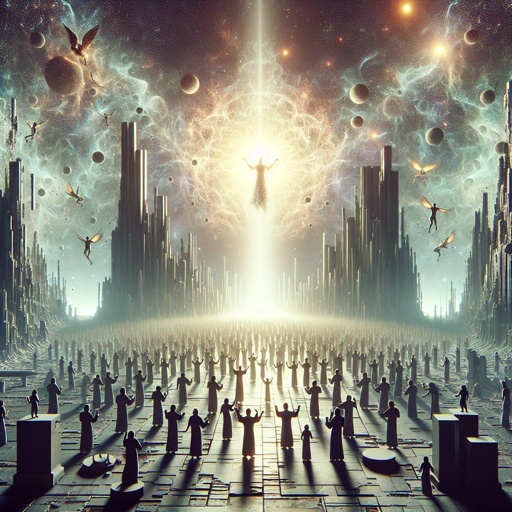
Isaiah 14:13 Artwork

Isaiah 14:13 - "For thou hast said in thine heart, I will ascend into heaven, I will exalt my throne above the stars of God: I will sit also upon the mount of the congregation, in the sides of the north:"

Isaiah 14:13-14 - "You said in your heart, 'I will ascend to the heavens; I will raise my throne above the stars of God; I will sit enthroned on the mount of assembly, on the utmost heights of Mount Zaphon. I will ascend above the tops of the clouds; I will make myself like the Most High.'"
"For thou hast said in thine heart, I will ascend into heaven, I will exalt my throne above the stars of God: I will sit also upon the mount of the congregation, in the sides of the north:" - Isaiah 14:13
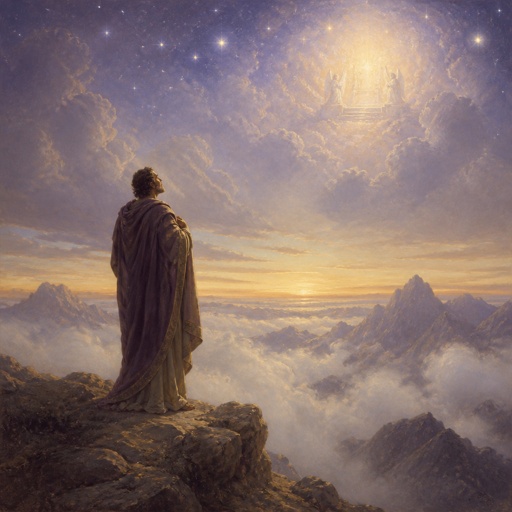
"You said in your heart, 'I will ascend to the heavens; I will raise my throne above the stars of God; I will sit enthroned on the mount of assembly, on the utmost heights of Mount Zaphon. I will ascend above the tops of the clouds; I will make myself like the Most High.'" - Isaiah 14:13-14
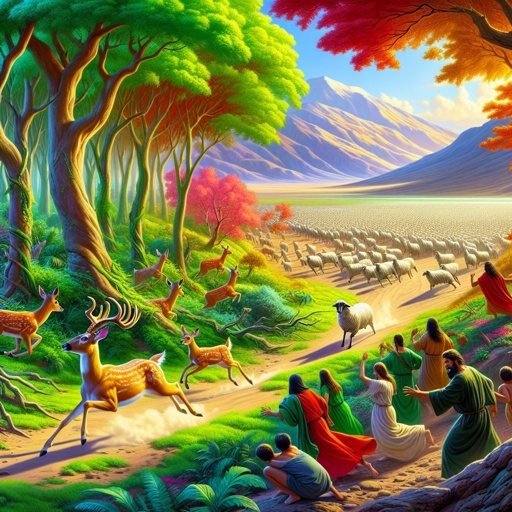
Isaiah 13:14 - "And it shall be as the chased roe, and as a sheep that no man taketh up: they shall every man turn to his own people, and flee every one into his own land."

Isaiah 13:1 - "The burden of Babylon, which Isaiah the son of Amoz did see."

Isaiah 14:12

isaiah 5:14

Isaiah 14:25

Isaiah 14:14 - "I will ascend above the heights of the clouds; I will be like the most High."

Isaiah 41:13

isaiah 6:13

Isaiah 1:13-14 - "Bring your worthless offerings no longer, incense is an abomination to Me. New moon and sabbath, the calling of assemblies— I cannot endure iniquity and the solemn assembly. I hate your new moon festivals and your appointed feasts, they have become a burden to Me; I am weary of bearing them."

Matthew 7:13-14

Matthew 7:13-14

Matthew 7:13-14

Matthew 7:13-14

Matthew 7:13-14

Matthew 7:13-14

Matthew 7:13-14

Matthew 7:13-14

Matthew 7:13-14

Matthew 7:13-14

Matthew 7:13-14
Isaiah 29:13-14 - "The Lord says: “These people come near to me with their mouth and honor me with their lips, but their hearts are far from me. Their worship of me is based on merely human rules they have been taught. Therefore, once more I will astound these people with wonder upon wonder; the wisdom of the wise will perish, the intelligence of the intelligent will vanish.”"

Isaiah 14:28 - "In the year that king Ahaz died was this burden."

Exodus 14:13

Exodus 14:13

Exodus 14:13

Exodus 14:13