What does Isaiah 14:12 mean?
"How art thou fallen from heaven, O Lucifer, son of the morning! how art thou cut down to the ground, which didst weaken the nations!" - Isaiah 14:12

Isaiah 14:12 in the King James Version of the Bible reads, "How art thou fallen from heaven, O Lucifer, son of the morning! how art thou cut down to the ground, which didst weaken the nations!"
This verse is a part of a larger passage in the Book of Isaiah that speaks to the downfall of Babylon and its ruler. The language is apocalyptic and uses dramatic imagery to convey its message. In this particular verse, the name "Lucifer" is used to refer to the king of Babylon, who is portrayed as having fallen from a position of great power and glory to one of utter destruction and defeat.
The name "Lucifer" has become synonymous with Satan in Christian tradition, but the use of the name in this passage has caused some debate among scholars. The Hebrew word used here is "helel," which means "shining one" or "morning star." It likely originally referred to the planet Venus, which can be seen shining brightly in the morning sky. In this context, it is a title that emphasizes the king's once lofty position and splendor.
The verse draws on themes of pride, downfall, and divine judgment. The king of Babylon is condemned for his arrogance and his oppression of other nations. The imagery of falling from heaven to the ground is a powerful symbol of his loss of status and power. The mention of "weakening the nations" further emphasizes the king's role in causing suffering and strife.
The passage as a whole is part of a prophecy about the downfall of Babylon. The city is portrayed as a proud and oppressive force that will ultimately be brought low by divine judgment. This theme of divine judgment and the idea that the powerful will be brought low is a common one in the Hebrew Bible.
In Christian tradition, this passage has often been interpreted as referring to the fall of Satan. The name "Lucifer" has come to be associated with the devil, and the imagery of falling from heaven has been used to describe Satan's rebellion against God. However, it is important to understand the original context of the passage in Isaiah and its focus on the king of Babylon.
Overall, Isaiah 14:12 is a striking and impactful verse that uses vivid imagery to convey its message of divine judgment and the downfall of the prideful. It speaks to the themes of power, arrogance, and the ultimate consequences of oppressive behavior. The use of the name "Lucifer" adds an extra layer of symbolism to the passage, emphasizing the king's former glory and his subsequent fall from grace. This verse is a powerful reminder of the consequences of pride and the importance of humility before the divine.
Have questions about Isaiah 14:12?
Dive deeper into this scripture with Bible Chat — an AI-powered tool for exploring God's Word through conversation. Ask questions, get context, and grow in your understanding of the Bible.
Get Our Apps


Isaiah 14:12 Artwork

Isaiah 14:12

Create image- Isaiah 14:12, Satan falling from heaven

Create image- Isaiah 14:12, Satan falling from heaven. Make Satan have clothing on

create image from Isaiah 14:12- Make Satan fall from Heaven into a lake of fire below

Isaiah 14:12 - "How art thou fallen from heaven, O Lucifer, son of the morning! how art thou cut down to the ground, which didst weaken the nations!"

Create image- Isaiah 14:12, Satan falling from heaven. Make Satan have clothing on. make him falling downward

"How art thou fallen from heaven, O Lucifer, son of the morning! how art thou cut down to the ground, which didst weaken the nations!" - Isaiah 14:12

isaiah 5:14

Isaiah 14:25

Isaiah 14:14 - "I will ascend above the heights of the clouds; I will be like the most High."

Isaiah 12:3
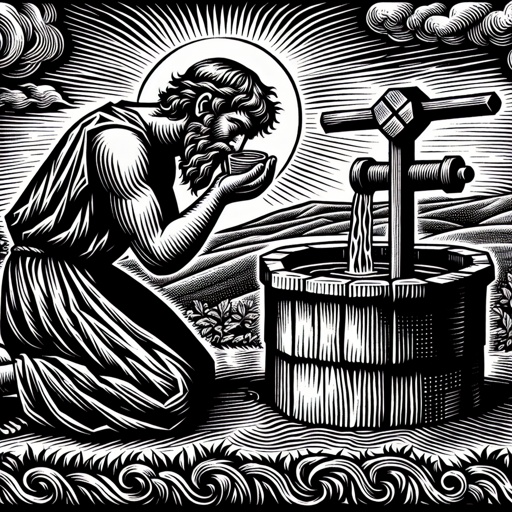
Isaiah 12:3

Isaiah 12:6

Isaiah 12:6

Isaiah 29:12

Isaiah 12:3

Isaiah 12:3

Isaiah 12:3

Isaiah 12:3

Isaiah 12:3

Isaiah 12:3

Isaiah 28:12

Isaiah 12:2

Isaiah 28:12

Isaiah 12:3

Isaiah 12:3

Isaiah 12:3

Isaiah 12:3

Isaiah 12:3

Isaiah 12:3