What does Isaiah 14:1 mean?
"For the LORD will have mercy on Jacob, and will yet choose Israel, and set them in their own land: and the strangers shall be joined with them, and they shall cleave to the house of Jacob." - Isaiah 14:1
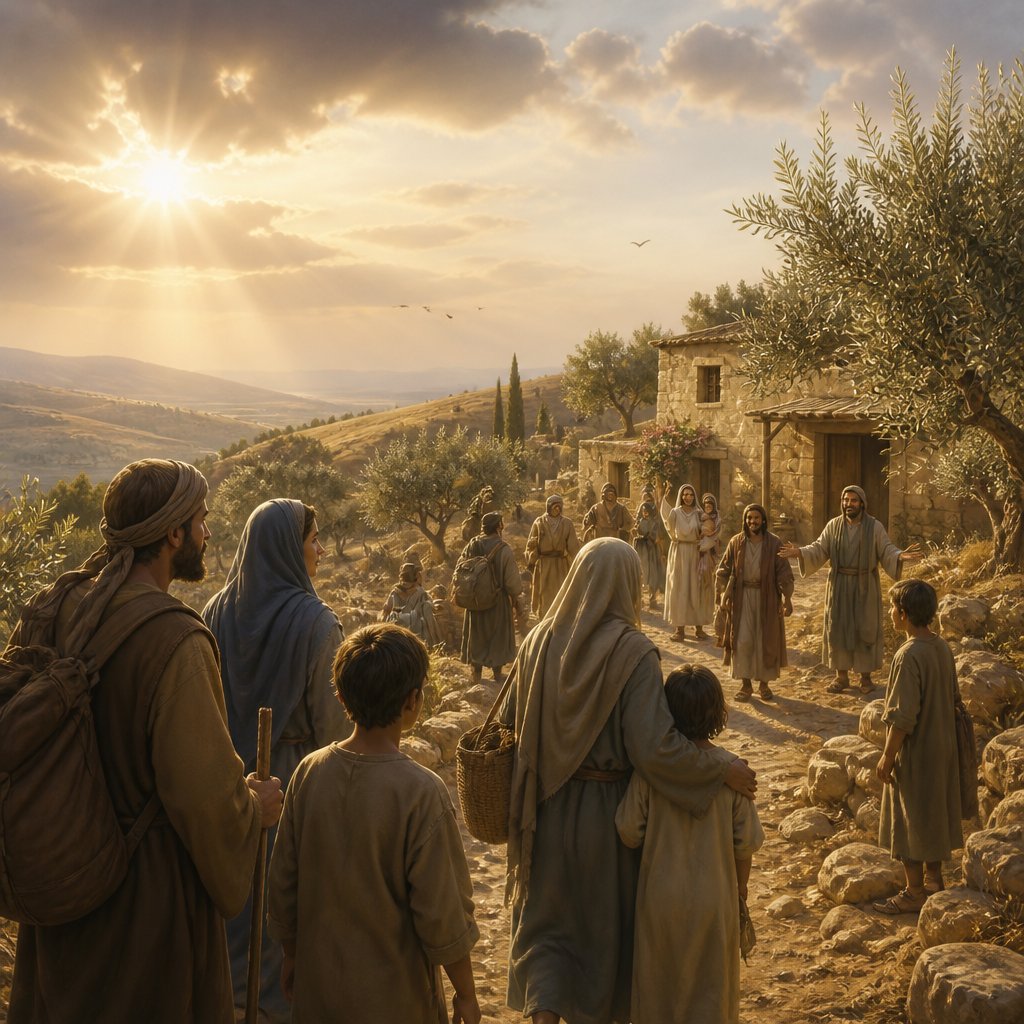
Isaiah 14:1 in the King James Version of the Bible reads: "For the LORD will have mercy on Jacob, and will yet choose Israel, and set them in their own land: and the strangers shall be joined with them, and they shall cleave to the house of Jacob."
The book of Isaiah is a prophetic book in the Old Testament, and it is often considered to be one of the most important and influential books in the Bible. This particular verse comes in the context of a message of hope and restoration for the people of Israel.
The theme of mercy and redemption is evident in this verse. The Lord's mercy is a central theme throughout the Bible, and here it is specifically mentioned in the context of the nation of Israel. Despite their disobedience and shortcomings, the Lord promises to have mercy on them and choose them once again. This echoes the overarching message of God's grace and forgiveness towards his people, even in the midst of their failures.
The phrase "set them in their own land" speaks to the promise of restoration and return to the land of Israel. Throughout the Old Testament, the land of Israel is a central focus of God's covenant with his people, and the promise of returning to their homeland is a recurring theme. This verse reaffirms the idea that God has not forsaken his people, and that he will fulfill his promise to them.
The inclusion of "strangers" in this verse is also significant. It suggests that not only will the people of Israel be restored, but also that others from different nations will join them. This can be seen as a foreshadowing of the inclusive nature of God's kingdom, where people from all backgrounds and walks of life are welcomed and united in their faith. It also speaks to the idea of God's plan for reconciliation and unity among all people, regardless of their differences.
The imagery of "cleaving to the house of Jacob" further emphasizes this theme of unity and inclusion. The idea of being joined to the house of Jacob signifies a deep and intimate connection, implying a sense of belonging and solidarity among God's people.
Symbolically, this verse can also be interpreted as a reflection of God's faithfulness and sovereignty. Despite the struggles and challenges that the nation of Israel faced, the Lord remained steadfast in his commitment to them. The promise of mercy and restoration serves as a reminder of God's unwavering love and care for his people, and his ability to bring about transformation and renewal.
In a broader sense, this verse also offers hope and encouragement to all believers. It serves as a reminder that God's mercy and redemptive power are available to all who seek him. It encourages us to trust in God's faithfulness and to hold onto the hope of restoration and renewal, even in the midst of difficult circumstances.
Overall, Isaiah 14:1 conveys a message of hope, mercy, and restoration. It reaffirms God's promises to his people and emphasizes the themes of unity, inclusion, and faithfulness. It serves as a powerful reminder of the enduring nature of God's love and his redemptive plan for all who believe in him.
Have questions about Isaiah 14:1?
Dive deeper into this scripture with Bible Chat — an AI-powered tool for exploring God's Word through conversation. Ask questions, get context, and grow in your understanding of the Bible.
Get Our Apps


Isaiah 14:1 Artwork

Isaiah 14:1 - "For the LORD will have mercy on Jacob, and will yet choose Israel, and set them in their own land: and the strangers shall be joined with them, and they shall cleave to the house of Jacob."
"For the LORD will have mercy on Jacob, and will yet choose Israel, and set them in their own land: and the strangers shall be joined with them, and they shall cleave to the house of Jacob." - Isaiah 14:1
Isaiah 1:14 - "Your new moons and your appointed feasts my soul hateth: they are a trouble unto me; I am weary to bear them."

Isaiah 14:12

isaiah 5:14

Isaiah 14:25

Isaiah 14:14 - "I will ascend above the heights of the clouds; I will be like the most High."

Isaiah 14:28 - "In the year that king Ahaz died was this burden."

Isaiah 14:7 - "The whole earth is at rest, and is quiet: they break forth into singing."

Isaiah 14:5 - "The LORD hath broken the staff of the wicked, and the sceptre of the rulers."

Isaiah 23:14 - "Howl, ye ships of Tarshish: for your strength is laid waste."

Isaiah 14:15 - "Yet thou shalt be brought down to hell, to the sides of the pit."

Isaiah 2:14 - "And upon all the high mountains, and upon all the hills that are lifted up,"
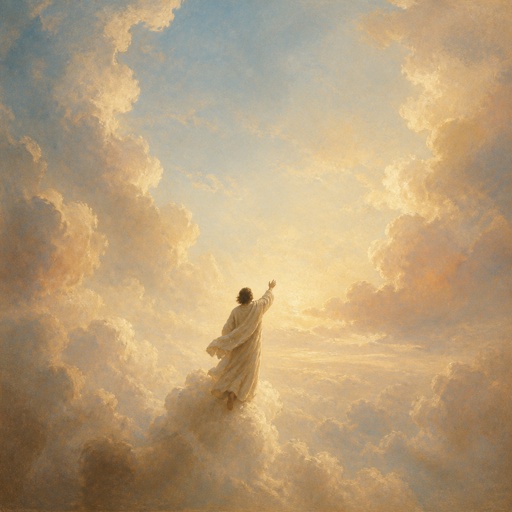
"I will ascend above the heights of the clouds; I will be like the most High." - Isaiah 14:14

Isaiah 14:17 - "That made the world as a wilderness, and destroyed the cities thereof; that opened not the house of his prisoners?"

Isaiah 14:26 - "This is the purpose that is purposed upon the whole earth: and this is the hand that is stretched out upon all the nations."

Isaiah 21:14 - "The inhabitants of the land of Tema brought water to him that was thirsty, they prevented with their bread him that fled."

Isaiah 49:14 - "But Zion said, The LORD hath forsaken me, and my Lord hath forgotten me."

Isaiah 28:14 - "¶ Wherefore hear the word of the LORD, ye scornful men, that rule this people which is in Jerusalem."

Isaiah 9:14 - "Therefore the LORD will cut off from Israel head and tail, branch and rush, in one day."

Isaiah 36:14 - "Thus saith the king, Let not Hezekiah deceive you: for he shall not be able to deliver you."

"In the year that king Ahaz died was this burden." - Isaiah 14:28

Isaiah 14:18 - "All the kings of the nations, even all of them, lie in glory, every one in his own house."

Isaiah 2:1 - "The word that Isaiah the son of Amoz saw concerning Judah and Jerusalem."

Isaiah 24:14 - "They shall lift up their voice, they shall sing for the majesty of the LORD, they shall cry aloud from the sea."

Isaiah 1:1 - "The vision of Isaiah the son of Amoz, which he saw concerning Judah and Jerusalem in the days of Uzziah, Jotham, Ahaz, and Hezekiah, kings of Judah."

Create image- Isaiah 14:12, Satan falling from heaven

Isaiah 13:1 - "The burden of Babylon, which Isaiah the son of Amoz did see."

Isaiah 59:14 - "And judgment is turned away backward, and justice standeth afar off: for truth is fallen in the street, and equity cannot enter."
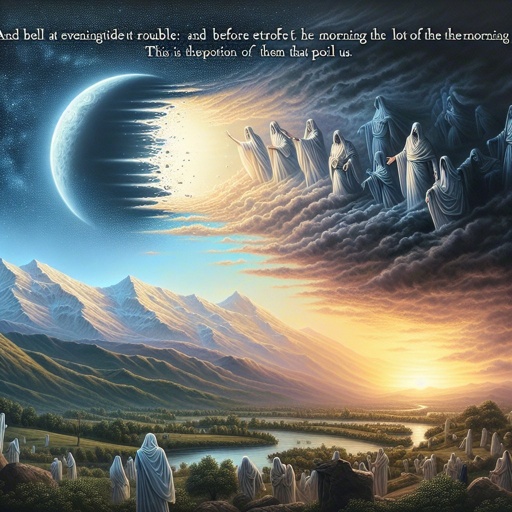
Isaiah 17:14 - "And behold at eveningtide trouble; and before the morning he is not. This is the portion of them that spoil us, and the lot of them that rob us."