What does Isaiah 11:16 mean?
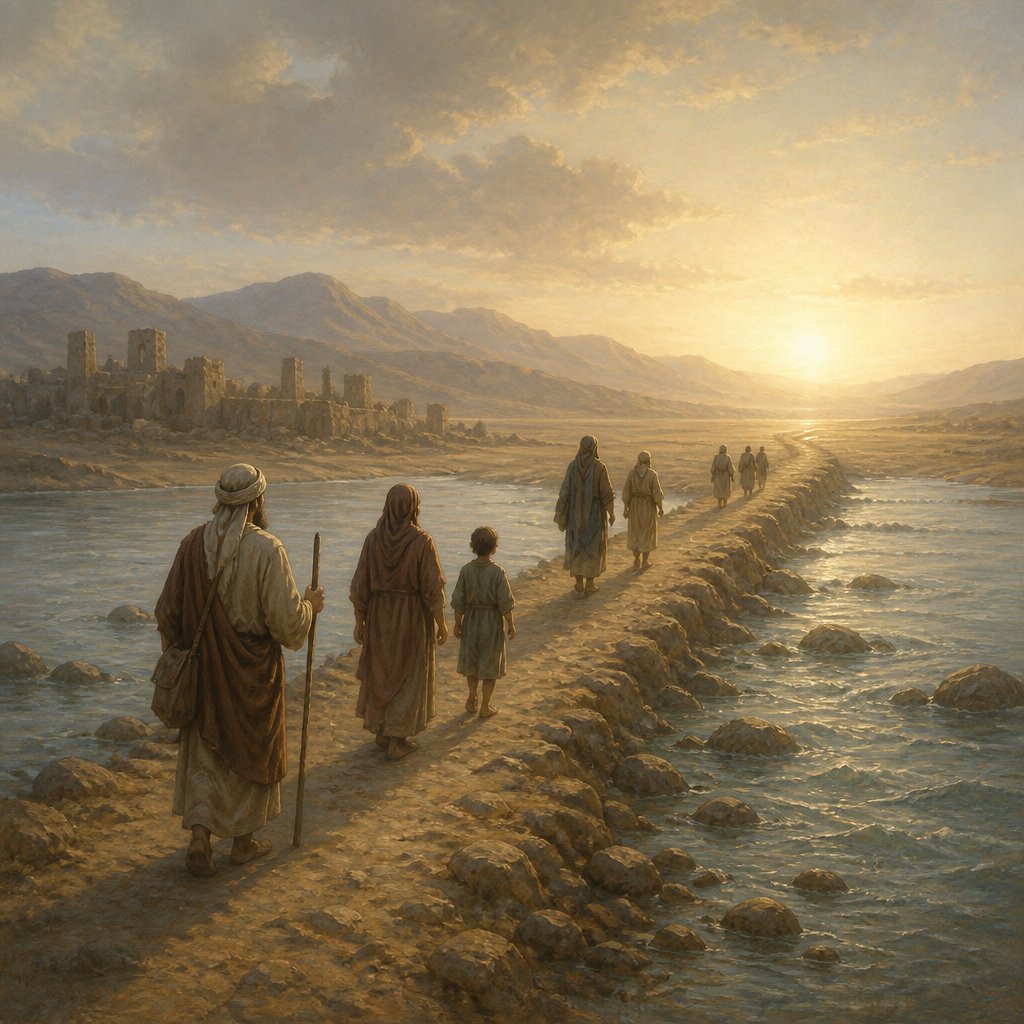
"And there shall be an highway for the remnant of his people, which shall be left, from Assyria; like as it was to Israel in the day that he came up out of the land of Egypt." - Isaiah 11:16
Isaiah 11:6 is a powerful and evocative verse from the Bible that delves into the theme of peace and harmony in the kingdom of God. This verse is part of a larger passage found in the book of Isaiah, which is considered one of the major prophetic books of the Old Testament. The prophet Isaiah lived in the 8th century BCE and his writings are filled with imagery, vivid descriptions, and powerful messages about God's plan for humanity.
The specific verse, Isaiah 11:6, reads, "The wolf also shall dwell with the lamb, and the leopard shall lie down with the kid; and the calf and the young lion and the fatling together; and a little child shall lead them." This passage paints a striking picture of animals that are traditionally seen as predators and prey living in harmony with each other. The idea of a child leading these creatures further emphasizes the theme of peace and innocence.
The overarching context of this verse is the vision of a future kingdom of God where peace and harmony reign. Isaiah's prophecy speaks to the restoration and renewal of creation, as well as the coming of a righteous and just ruler who will bring about this new era. The imagery of reconciling natural enemies such as the wolf and the lamb speaks to the ultimate reconciliation and restoration of God's creation.
In terms of symbolism, the animals mentioned in the verse hold significant meaning. The wolf and the lamb represent opposing forces that, in the natural world, would never coexist peacefully. This serves as a metaphor for the divine intervention and transformation that will take place in the future kingdom. The leopard and the kid, and the calf and the young lion, further emphasize the idea of unlikely companions living in harmony. The child leading these animals symbolizes innocence, purity, and a lack of fear, reflecting the peace and safety that will characterize the future kingdom.
The themes present in Isaiah 11:6 are timeless and universal. The desire for peace, harmony, and unity is a deep longing in the human heart, and this verse offers a powerful vision of what God's kingdom will ultimately look like. It speaks to the hope for reconciliation, the restoration of creation, and the ultimate triumph of good over evil.
From a Christian perspective, this verse also points to the fulfillment of God's promises through the coming of Jesus Christ. Many Christians interpret the imagery in Isaiah 11:6 as foreshadowing the peace and reconciliation brought about by the Messiah. In the New Testament, Jesus is often referred to as the "Lamb of God" and is associated with themes of innocence, purity, and peace. The idea of a child leading these unlikely companions also reflects the humility and meekness of Christ, who taught that the last shall be first and the meek shall inherit the earth.
In conclusion, Isaiah 11:6 is a rich and multi-layered verse that speaks to the deepest longings of the human spirit. Its prophetic vision of peace, harmony, and restoration continues to inspire and offer hope to people of faith across the centuries. As we reflect on this verse, we are reminded of the ultimate promise of God's kingdom, where all creation will live in perfect harmony under the righteous rule of the Messiah.
Have questions about Isaiah 11:16?
Dive deeper into this scripture with Bible Chat — an AI-powered tool for exploring God's Word through conversation. Ask questions, get context, and grow in your understanding of the Bible.
Get Our Apps


Isaiah 11:16 Artwork

Isaiah 11:16 - "And there shall be an highway for the remnant of his people, which shall be left, from Assyria; like as it was to Israel in the day that he came up out of the land of Egypt."
"And there shall be an highway for the remnant of his people, which shall be left, from Assyria; like as it was to Israel in the day that he came up out of the land of Egypt." - Isaiah 11:16

Isaiah 11:1

Isaiah 16:11 - "Wherefore my bowels shall sound like an harp for Moab, and mine inward parts for Kir-haresh."

Zechariah 1:1-6
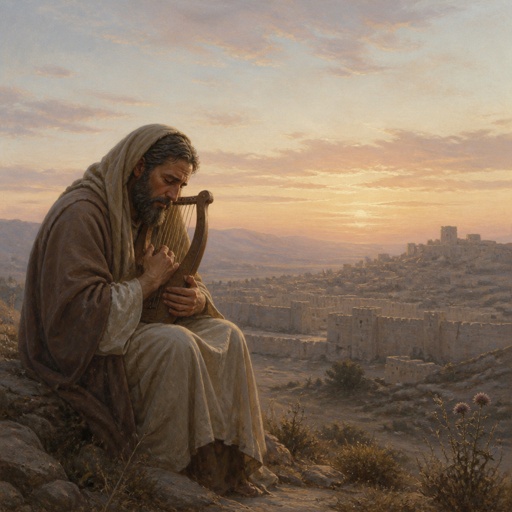
"Wherefore my bowels shall sound like an harp for Moab, and mine inward parts for Kir-haresh." - Isaiah 16:11

Isaiah 11

Isaiah 55:11

Isaiah 11:1-9

Isaiah 11:1-9

Isaiah 11:1-9

Apocalipsis 11, 19; 12, 1-6. 10

Hebrews 11:16

Genesis 16:11

Psalm 16:11

Psalm 16:11

Hebrews 11:16

Isaiah 8:16 - "Bind up the testimony, seal the law among my disciples."

Isaiah 32:16 - "Then judgment shall dwell in the wilderness, and righteousness remain in the fruitful field."

Isaiah 40:16 - "And Lebanon is not sufficient to burn, nor the beasts thereof sufficient for a burnt offering."

Numbers 11:16-26

Isaiah 2:16 - "And upon all the ships of Tarshish, and upon all pleasant pictures."

2 Kings 20:16 - "And Isaiah said unto Hezekiah, Hear the word of the LORD."

Isaiah 9:16 - "For the leaders of this people cause them to err; and they that are led of them are destroyed."

Isaiah 16:13 - "This is the word that the LORD hath spoken concerning Moab since that time."

Isaiah 28:11 - "For with stammering lips and another tongue will he speak to this people."

Isaiah 5:16 - "But the LORD of hosts shall be exalted in judgment, and God that is holy shall be sanctified in righteousness."

Isaiah 43:11 - "I, even I, am the LORD; and beside me there is no saviour."

Exodus 16:11 - "¶ And the LORD spake unto Moses, saying,"

John 16:11 - "Of judgment, because the prince of this world is judged."