What does Isaiah 10:9 mean?
"Is not Calno as Carchemish? is not Hamath as Arpad? is not Samaria as Damascus?" - Isaiah 10:9
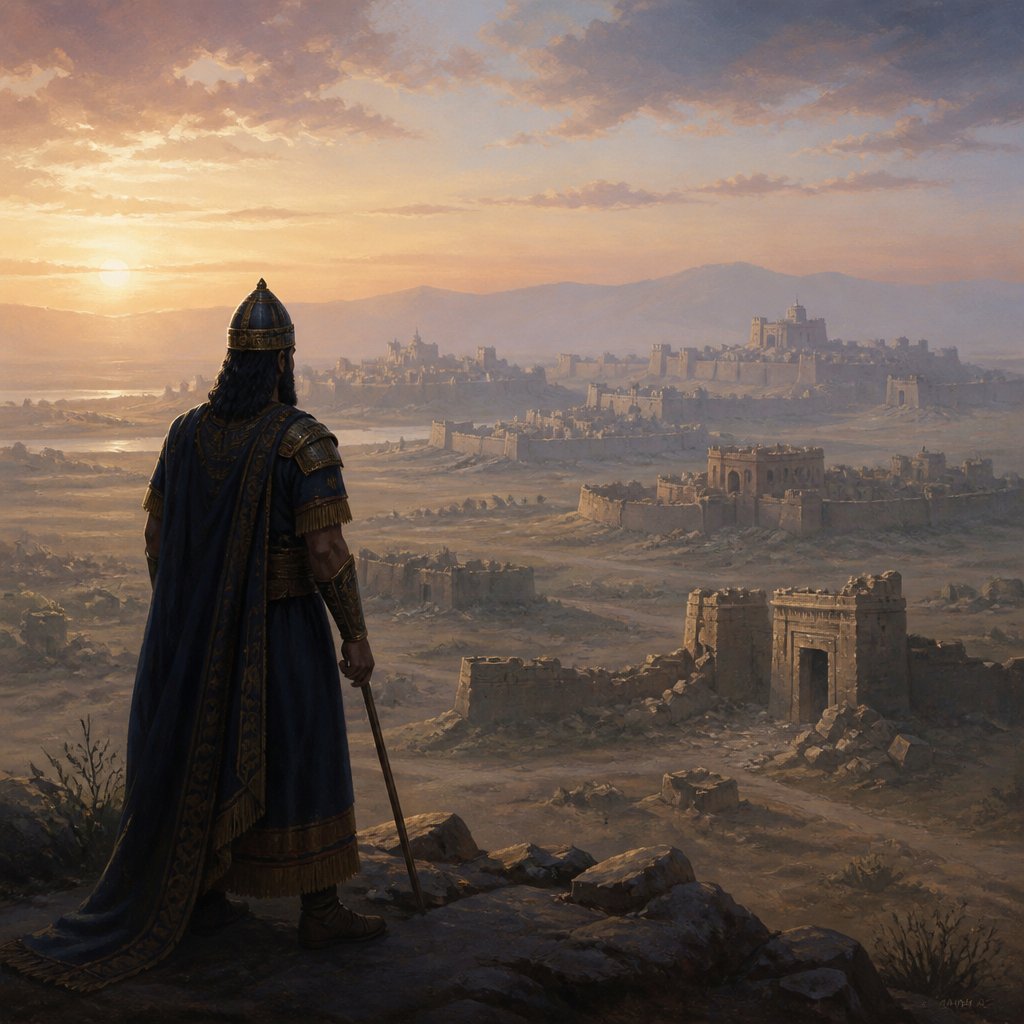
Isaiah 10:9 (KJV) - "Is not Calno as Carchemish? Is not Hamath as Arpad? Is not Samaria as Damascus?"
In order to truly understand the depth and significance of this Bible verse, it is essential to examine its context within the larger narrative of the Book of Isaiah. The prophetic book of Isaiah is renowned for its powerful messages of judgement, justice, and the ultimate hope of redemption. Written by the Prophet Isaiah during the reigns of four different kings of Judah, the book is a complex and multi-layered work with a rich tapestry of themes and symbols.
In Isaiah 10:9, the prophet Isaiah is drawing a parallel between various ancient cities, all of which have their own significance within the historical and political context of the time. Calno, Carchemish, Hamath, Arpad, Samaria, and Damascus were all cities that had been conquered and dominated by empires and powers of the ancient world. In this verse, Isaiah is essentially asking whether these cities are any different from one another, given that they have all fallen under the control of foreign powers.
To delve deeper into the meaning of this verse, it is important to understand the broader themes and motifs at play in the Book of Isaiah. In the preceding verses, Isaiah denounces the arrogance and pride of the Assyrian empire, which arrogantly boasts of its power and authority. The prophet warns that the Assyrians are merely a tool in the hands of God, and they will ultimately be held to account for their actions. Therefore, in verse 9, Isaiah is essentially emphasizing the transience and impermanence of human power and empires. He is challenging the notion that one city or empire is inherently superior to another, as they all ultimately fall under the will of God.
The symbolic significance of this verse lies in its portrayal of the cyclical nature of history. By referencing these ancient cities and their fates, Isaiah is highlighting the repetitive patterns of conquest, domination, and the rise and fall of empires throughout human history. This cyclical pattern serves as a sobering reminder of the fleeting nature of human power and the ultimate sovereignty of God. In this sense, the message of Isaiah 10:9 is a timeless one, with relevance to the political and social upheavals of any era.
Moreover, the verse also serves as a call to humility and an acknowledgment of the divine order of the world. It reminds the reader that no city or empire is immune to the forces of change and the will of God. Thus, the verse prompts reflection on the transient nature of earthly power and the importance of aligning oneself with the divine will.
In conclusion, Isaiah 10:9 is a potent and thought-provoking verse that encapsulates the broader themes of transience, humility, and divine sovereignty found throughout the Book of Isaiah. Its symbolic significance and timeless message make it a powerful meditation on the cyclical nature of history and the ultimate authority of God over human affairs. It serves as a poignant reminder of the need for humility and the recognition of the transitory nature of human power and empires.
Have questions about Isaiah 10:9?
Dive deeper into this scripture with Bible Chat — an AI-powered tool for exploring God's Word through conversation. Ask questions, get context, and grow in your understanding of the Bible.
Get Our Apps


Isaiah 10:9 Artwork

Isaiah 10:9 - "Is not Calno as Carchemish? is not Hamath as Arpad? is not Samaria as Damascus?"
"Is not Calno as Carchemish? is not Hamath as Arpad? is not Samaria as Damascus?" - Isaiah 10:9

Isaiah 9:10 - "The bricks are fallen down, but we will build with hewn stones: the sycomores are cut down, but we will change them into cedars."

isaiah 41:10

isaiah 41:10

isaiah 41:10

isaiah 41:10

isaiah 41:10

isaiah 41:10

isaiah 41:10

isaiah 41:10
isaiah 41:10

isaiah 41:10

isaiah 41:10

isaiah 41:10

isaiah 41:10

isaiah 41:10

isaiah 41:10

isaiah 41:10

isaiah 41:10

isaiah 41:10

isaiah 41:10

isaiah 41:10

isaiah 41:10

isaiah 41:10

isaiah 41:10
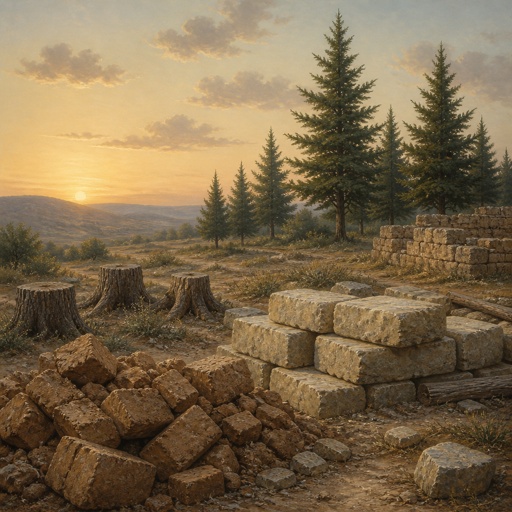
"The bricks are fallen down, but we will build with hewn stones: the sycomores are cut down, but we will change them into cedars." - Isaiah 9:10

Isaiah 9:6

Isaiah 9:6

Isaiah 9:6