What does Isaiah 10:27 mean?
"And it shall come to pass in that day, that his burden shall be taken away from off thy shoulder, and his yoke from off thy neck, and the yoke shall be destroyed because of the anointing." - Isaiah 10:27
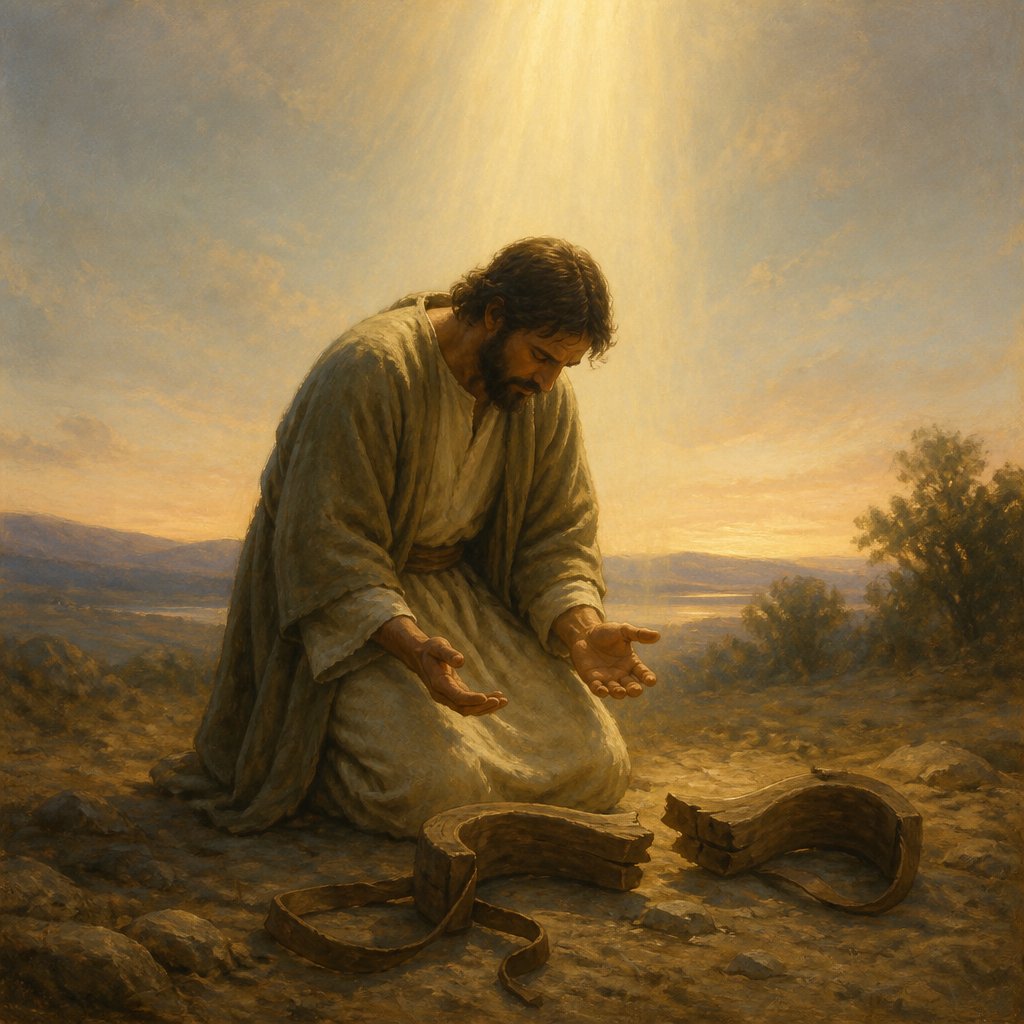
Sure! Here is an in-depth analysis of Isaiah 10:27 from the King James Version of the Bible.
Isaiah 10:27 (KJV) says, "And it shall come to pass in that day, that his burden shall be taken away from off thy shoulder, and his yoke from off thy neck, and the yoke shall be destroyed because of the anointing."
This verse comes from the book of Isaiah, which is one of the Major Prophets in the Old Testament. Isaiah was a prophet who lived in Jerusalem in the 8th century BCE and his prophecies are recorded in the Book of Isaiah, which is known for its powerful and poetic language.
In this particular verse, Isaiah is speaking to the people of Israel and promising them deliverance from the oppression of their enemies. The "burden" and "yoke" represent the heavy burden of oppression and domination that the people of Israel were experiencing at the hands of their enemies. The "anointing" refers to the coming of a divinely appointed leader or savior who will bring relief and freedom to the people.
The verse is rich in symbolism and carries several important themes. One of the main themes is the idea of liberation and deliverance. The imagery of the burden being lifted off the shoulder and the yoke being removed from the neck is a powerful symbol of freedom and release from oppression. This theme of liberation is a recurring motif in the Bible, as God is often depicted as a liberator who sets his people free from bondage and captivity.
Another important theme in this verse is the concept of the anointing. In the Bible, the act of anointing with oil is a symbol of consecration and divine blessing. It is often used to signify the choosing and empowerment of a leader or ruler. In this verse, the anointing represents the divine intervention and empowerment that will bring about the liberation of the people of Israel. It foreshadows the coming of a messianic figure who will bring salvation and deliverance to the people.
The broader context of this verse is the prophecy of judgment and salvation that runs throughout the book of Isaiah. The first 39 chapters of Isaiah are dominated by pronouncements of judgment against the sinful and rebellious people of Israel, as well as against the surrounding nations. However, interspersed with these messages of judgment are promises of future redemption and restoration. This verse falls within the context of these promises, offering hope to the people in the midst of their suffering.
The verse also points to the role of the anointed one in bringing about deliverance. In Christian theology, this verse is often seen as a foreshadowing of Jesus Christ, who is viewed as the ultimate anointed one and the savior of humanity. Christians interpret this verse as a promise of the liberation and redemption that Christ brings to those who believe in him.
In conclusion, Isaiah 10:27 from the King James Version of the Bible is a powerful and evocative verse that speaks to the themes of liberation, faith, and divine intervention. It offers hope and comfort to those who are oppressed and reminds them of the promise of deliverance. It also points to the role of the anointed one in bringing about this deliverance, making it a verse of great significance in the Christian faith.
Have questions about Isaiah 10:27?
Dive deeper into this scripture with Bible Chat — an AI-powered tool for exploring God's Word through conversation. Ask questions, get context, and grow in your understanding of the Bible.
Get Our Apps


Isaiah 10:27 Artwork

Isaiah 10:27 - "And it shall come to pass in that day, that his burden shall be taken away from off thy shoulder, and his yoke from off thy neck, and the yoke shall be destroyed because of the anointing."
"And it shall come to pass in that day, that his burden shall be taken away from off thy shoulder, and his yoke from off thy neck, and the yoke shall be destroyed because of the anointing." - Isaiah 10:27

Isaiah 27:10 - "Yet the defenced city shall be desolate, and the habitation forsaken, and left like a wilderness: there shall the calf feed, and there shall he lie down, and consume the branches thereof."

isaiah 1:27

Isaiah 1:27 - "Zion shall be redeemed with judgment, and her converts with righteousness."

Luke 10:27

isaiah 41:10

isaiah 41:10

isaiah 41:10

isaiah 41:10

isaiah 41:10

isaiah 41:10

isaiah 41:10

isaiah 41:10
isaiah 41:10

isaiah 41:10

isaiah 41:10

isaiah 41:10

isaiah 41:10

isaiah 41:10

isaiah 41:10

isaiah 41:10

isaiah 41:10

isaiah 41:10

isaiah 41:10

isaiah 41:10

isaiah 41:10

isaiah 41:10

isaiah 41:10

Genesis 10:27 - "And Hadoram, and Uzal, and Diklah,"