What does Hosea 9:5 mean?
"What will ye do in the solemn day, and in the day of the feast of the LORD?" - Hosea 9:5
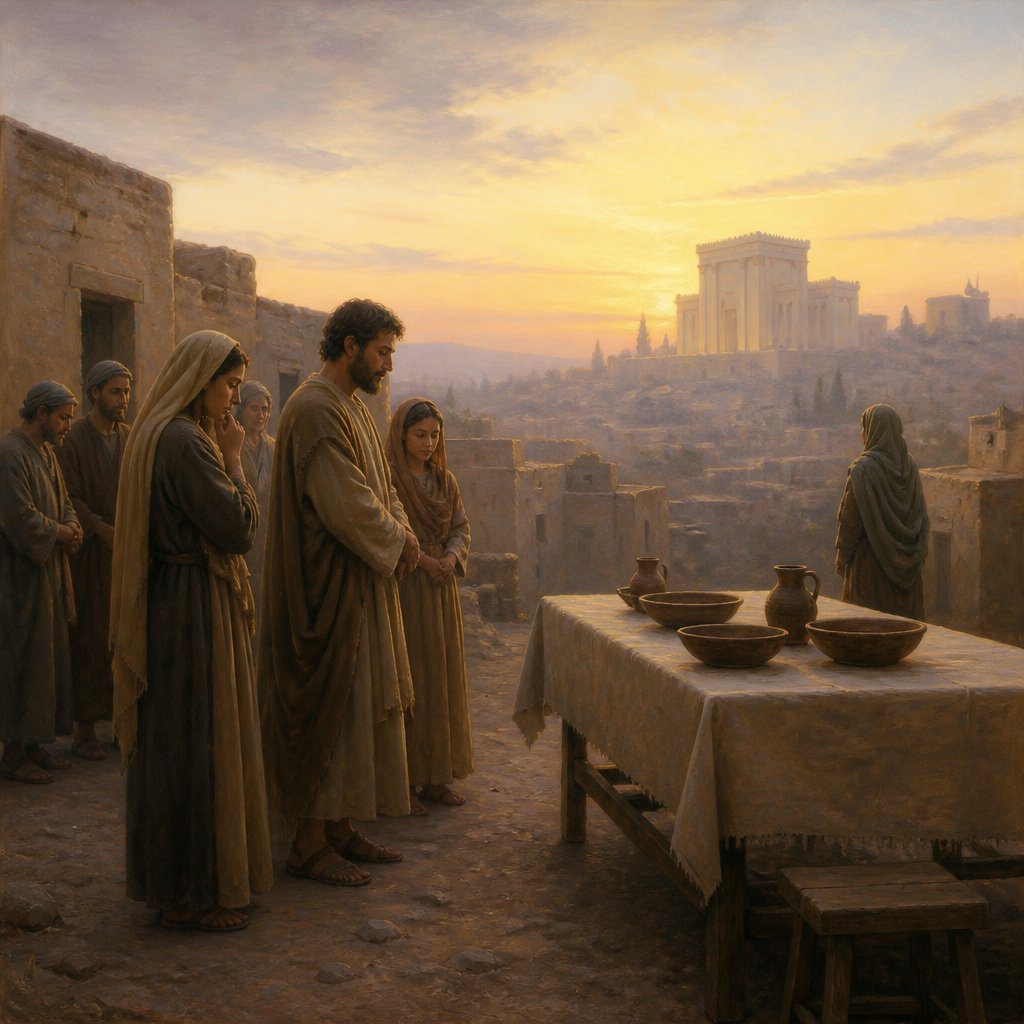
In Hosea 9:5, the King James Version of the Bible reads, "What will ye do in the solemn day, and in the day of the feast of the Lord?" This verse is from the Old Testament book of Hosea, which was written by the prophet Hosea to the people of Israel during a time of great spiritual and moral decline.
The book of Hosea is unique in that it uses the metaphor of a marriage to illustrate the relationship between God and His people. Hosea's own troubled marriage to a promiscuous wife serves as a powerful analogy for the unfaithfulness of the Israelites to God. Throughout the book, Hosea describes God's love for Israel, despite their continual turning away from Him and their idolatrous practices.
In the context of Hosea 9:5, the prophet is calling out the Israelites for their hypocrisy and false piety. The "solemn day” and the "feast of the Lord" were both important religious observances in Israel, and the people would outwardly participate in them, while inwardly remaining unrepentant and disobedient.
The solemn day referred to in this verse likely refers to the Day of Atonement, a sacred day of fasting and repentance in the Jewish religious calendar. On this day, the people were to humble themselves before God and seek forgiveness for their sins. However, the Israelites had strayed so far from the true meaning of this observance that their participation had become empty and meaningless. They were going through the motions of religious observance without genuinely seeking reconciliation with God.
Similarly, the feast of the Lord could refer to one of the many festivals and celebrations commanded by God in the Old Testament, such as the Passover or the Feast of Tabernacles. These occasions were meant to be times of joy and gratitude, as the people remembered God's faithfulness and provision. However, the Israelites had turned these meaningful celebrations into mere social gatherings and outward displays of religiosity, while their hearts remained far from God.
The underlying theme of Hosea 9:5 is the danger of religious hypocrisy and the importance of genuine repentance and obedience. The verse serves as a warning to the Israelites--and to all believers--not to deceive themselves or God by engaging in empty religious rituals while their hearts remain unchanged. It reminds us that God desires sincere worship and obedience, rather than outward demonstrations of piety.
Furthermore, the verse also highlights the sovereignty of God and his omniscience. He knows the hearts and intentions of his people, and he sees through their outward actions to the true state of their souls. In this way, Hosea 9:5 serves as a reminder that we cannot hide our true selves from God, and we must approach him with honesty and humility.
Symbolically, the solemn day and the feast of the Lord represent the tension between outward appearances and inward reality. They serve as a reminder that genuine faith and devotion to God cannot be reduced to mere ritualistic observance, but must flow from a heart that is truly surrendered to Him.
In summary, Hosea 9:5 is a powerful reminder of the dangers of religious hypocrisy and the need for sincere repentance and obedience. It challenges us to examine our own hearts and motivations in our worship and service to God, and reminds us that God desires authenticity and sincerity from His people.
Have questions about Hosea 9:5?
Dive deeper into this scripture with Bible Chat — an AI-powered tool for exploring God's Word through conversation. Ask questions, get context, and grow in your understanding of the Bible.
Get Our Apps


Hosea 9:5 Artwork

Hosea 9:5 - "What will ye do in the solemn day, and in the day of the feast of the LORD?"
"What will ye do in the solemn day, and in the day of the feast of the LORD?" - Hosea 9:5

Hosea 5:9 - "Ephraim shall be desolate in the day of rebuke: among the tribes of Israel have I made known that which shall surely be."

Hosea 3:1-5

Hosea 9:9 - "They have deeply corrupted themselves, as in the days of Gibeah: therefore he will remember their iniquity, he will visit their sins."

Hosea 12:5 - "Even the LORD God of hosts; the LORD is his memorial."
"Ephraim shall be desolate in the day of rebuke: among the tribes of Israel have I made known that which shall surely be." - Hosea 5:9

Hosea 1:2-11;2:14;3:5

Hosea 5:12 - "Therefore will I be unto Ephraim as a moth, and to the house of Judah as rottenness."

Hosea 13:5 - "¶ I did know thee in the wilderness, in the land of great drought."

Hosea 14:5-6 – "I will be like the dew to Israel; he will blossom like a lily."

Hosea 13:9 - "¶ O Israel, thou hast destroyed thyself; but in me is thine help."
Hosea 5:5 - "And the pride of Israel doth testify to his face: therefore shall Israel and Ephraim fall in their iniquity; Judah also shall fall with them."

Hosea 1:5 - "And it shall come to pass at that day, that I will break the bow of Israel in the valley of Jezreel."

Hosea 9:2 - "The floor and the winepress shall not feed them, and the new wine shall fail in her."

Hosea 5:11 - "Ephraim is oppressed and broken in judgment, because he willingly walked after the commandment."

Hosea 6:9 - "And as troops of robbers wait for a man, so the company of priests murder in the way by consent: for they commit lewdness."

Hosea 5:2 - "And the revolters are profound to make slaughter, though I have been a rebuker of them all."

Hosea 8:9 - "For they are gone up to Assyria, a wild ass alone by himself: Ephraim hath hired lovers."

Hosea 1:9 - "Then said God, Call his name Lo-ammi: for ye are not my people, and I will not be your God."

Hosea 9:3 - "They shall not dwell in the LORD'S land; but Ephraim shall return to Egypt, and they shall eat unclean things in Assyria."

Hosea 9:11 - "As for Ephraim, their glory shall fly away like a bird, from the birth, and from the womb, and from the conception."

Hosea 4:9 - "And there shall be, like people, like priest: and I will punish them for their ways, and reward them their doings."

Hosea 11:5 - "¶ He shall not return into the land of Egypt, but the Assyrian shall be his king, because they refused to return."

Hosea 9:13 - "Ephraim, as I saw Tyrus, is planted in a pleasant place: but Ephraim shall bring forth his children to the murderer."

Hosea 9:17 - "My God will cast them away, because they did not hearken unto him: and they shall be wanderers among the nations."

Hosea 9:8 - "The watchman of Ephraim was with my God: but the prophet is a snare of a fowler in all his ways, and hatred in the house of his God."

Hosea 14:5 - "I will be as the dew unto Israel: he shall grow as the lily, and cast forth his roots as Lebanon."
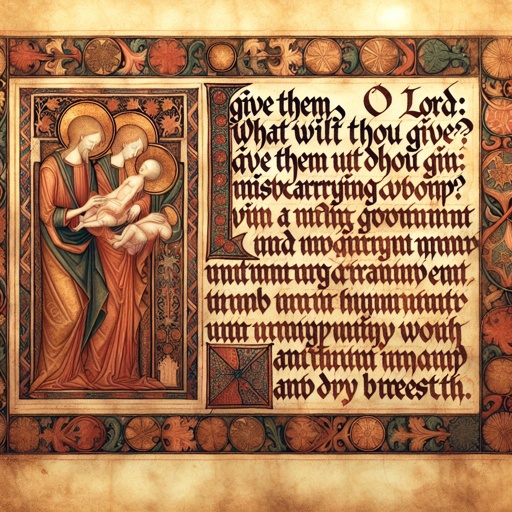
Hosea 9:14 - "Give them, O LORD: what wilt thou give? give them a miscarrying womb and dry breasts."

Hosea 5:8 - "Blow ye the cornet in Gibeah, and the trumpet in Ramah: cry aloud at Beth-aven, after thee, O Benjamin."