What does Hosea 9:13 mean?
"Ephraim, as I saw Tyrus, is planted in a pleasant place: but Ephraim shall bring forth his children to the murderer." - Hosea 9:13
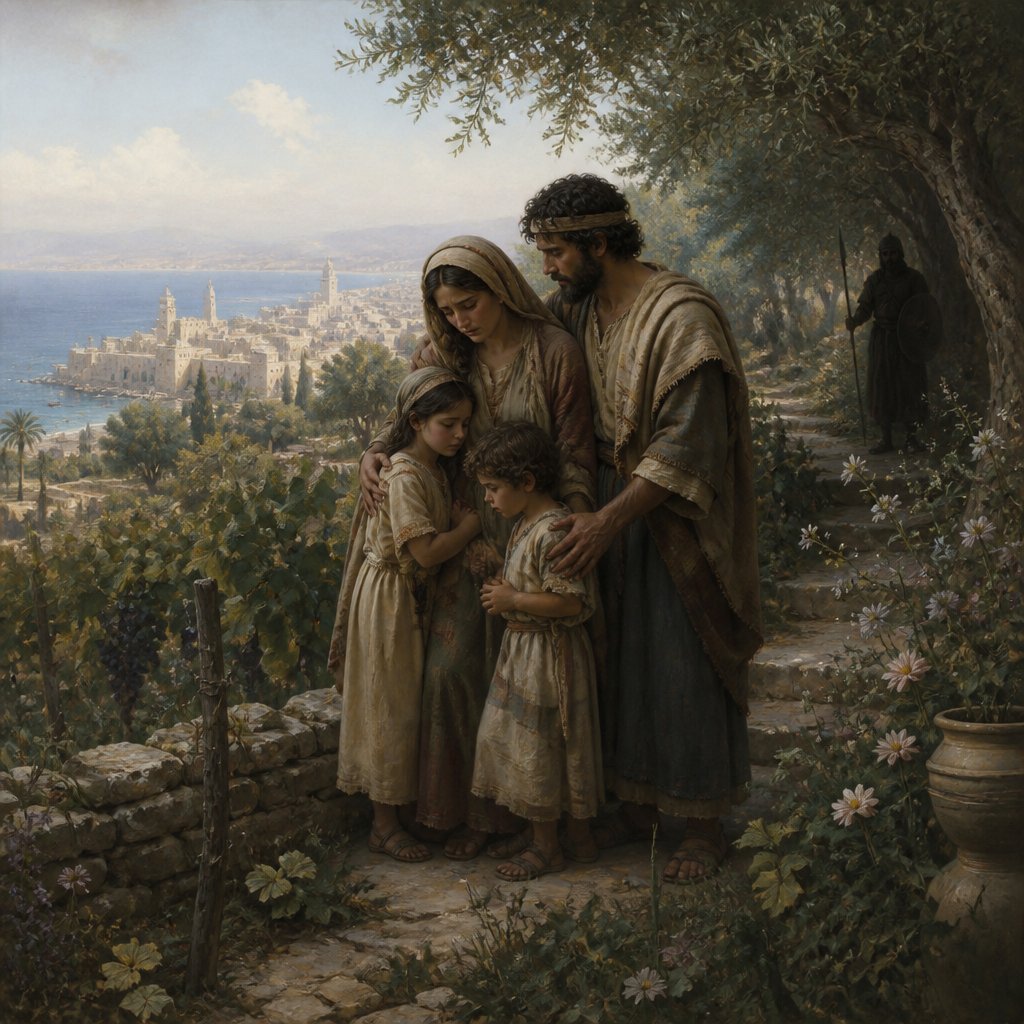
Hosea 9:13 (KJV) states, "Ephraim, as I saw Tyrus, is planted in a pleasant place: but Ephraim shall bring forth his children to the murderer." This verse is a part of the larger context of the book of Hosea, which is found in the Old Testament. The book of Hosea is a prophetic book, and it is attributed to the prophet Hosea, who was a prophet to the northern kingdom of Israel during the 8th century BC. The book contains a series of prophecies and messages from God to the people of Israel, and it is often seen as a call to repentance and a warning of the consequences of disobedience to God.
In Hosea 9:13, the focus is on Ephraim, which is a tribe of Israel, and its fate is being compared to that of the city of Tyre. The comparison is made to highlight the downfall of Ephraim, despite its initial favorable circumstances. The reference to Tyre, a prosperous and powerful city, serves to emphasize the contrast between the promising beginning and the tragic ending of Ephraim.
The verse goes on to proclaim that Ephraim will bring forth his children to the murderer. This language is quite striking and intense, and it reflects the severity of the punishment that will befall Ephraim. The imagery of bringing forth children to a murderer conveys a sense of despair and hopelessness, as it suggests that the future generations of Ephraim will face violent and tragic ends.
The themes present in this verse are consistent with the overall message of the book of Hosea. One of the key themes is the consequences of disobedience and unfaithfulness to God. Throughout the book, the people of Israel are rebuked for their idolatry, immorality, and unfaithfulness, and they are warned of the dire consequences that will follow if they continue on this path. The verse serves as a poignant reminder of the tragic fate that awaits those who stray from God's path.
Another significant theme in this verse is the concept of judgment and justice. The language used to describe Ephraim's fate conveys a sense of divine retribution and punishment for their sins. The imagery of bringing forth children to the murderer underscores the idea that the consequences of disobedience are severe and unforgiving. This is a sobering reminder of the righteousness and justice of God, and it serves as a warning to the people of Israel to repent and turn back to God.
The symbolism in this verse is powerful and evocative. The image of Ephraim being planted in a pleasant place initially suggests a sense of stability and prosperity. However, this image is contrasted with the grim reality of Ephraim's fate, which is likened to bringing forth children to the murderer. This symbolism serves to underscore the tragic and desperate nature of Ephraim's situation, and it also highlights the drastic reversal of fortune that will occur as a result of their disobedience.
In conclusion, Hosea 9:13 is a powerful and evocative verse that conveys a message of judgment and consequence for the people of Israel. It serves as a warning of the tragic fate that awaits those who turn away from God, and it emphasizes the righteousness and justice of God. The symbolism and imagery used in the verse further amplify the severity of the message and underscore the urgency of repentance and obedience to God.
Have questions about Hosea 9:13?
Dive deeper into this scripture with Bible Chat — an AI-powered tool for exploring God's Word through conversation. Ask questions, get context, and grow in your understanding of the Bible.
Get Our Apps


Hosea 9:13 Artwork

Hosea 9:13 - "Ephraim, as I saw Tyrus, is planted in a pleasant place: but Ephraim shall bring forth his children to the murderer."
"Ephraim, as I saw Tyrus, is planted in a pleasant place: but Ephraim shall bring forth his children to the murderer." - Hosea 9:13

Hosea 13:9 - "¶ O Israel, thou hast destroyed thyself; but in me is thine help."
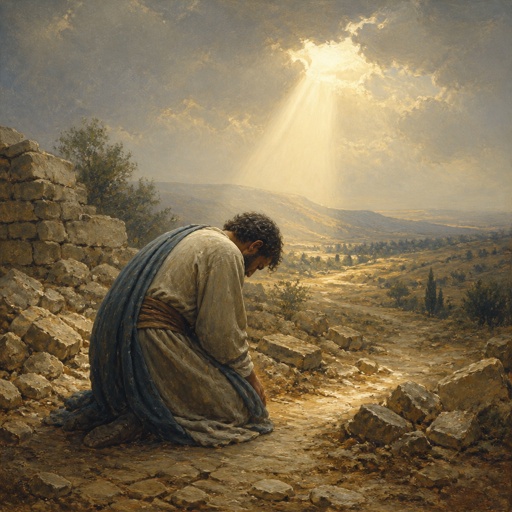
"¶ O Israel, thou hast destroyed thyself; but in me is thine help." - Hosea 13:9

Hosea 13:12 - "The iniquity of Ephraim is bound up; his sin is hid."

Hosea 9:9 - "They have deeply corrupted themselves, as in the days of Gibeah: therefore he will remember their iniquity, he will visit their sins."

Hosea 13:5 - "¶ I did know thee in the wilderness, in the land of great drought."

Hosea 12:13 - "And by a prophet the LORD brought Israel out of Egypt, and by a prophet was he preserved."

Hosea 9:5 - "What will ye do in the solemn day, and in the day of the feast of the LORD?"

Hosea 13:7 - "Therefore I will be unto them as a lion: as a leopard by the way will I observe them:"

Hosea 13:13 - "The sorrows of a travailing woman shall come upon him: he is an unwise son; for he should not stay long in the place of the breaking forth of children."

Hosea 13:11 - "I gave thee a king in mine anger, and took him away in my wrath."

Hosea 9:2 - "The floor and the winepress shall not feed them, and the new wine shall fail in her."

Hosea 6:9 - "And as troops of robbers wait for a man, so the company of priests murder in the way by consent: for they commit lewdness."

Hosea 8:9 - "For they are gone up to Assyria, a wild ass alone by himself: Ephraim hath hired lovers."

Hosea 13:6 - "According to their pasture, so were they filled; they were filled, and their heart was exalted; therefore have they forgotten me."

Hosea 1:9 - "Then said God, Call his name Lo-ammi: for ye are not my people, and I will not be your God."

Hosea 9:3 - "They shall not dwell in the LORD'S land; but Ephraim shall return to Egypt, and they shall eat unclean things in Assyria."

Hosea 9:11 - "As for Ephraim, their glory shall fly away like a bird, from the birth, and from the womb, and from the conception."

Hosea 4:9 - "And there shall be, like people, like priest: and I will punish them for their ways, and reward them their doings."

Hosea 13:1 - "When Ephraim spake trembling, he exalted himself in Israel; but when he offended in Baal, he died."

Hosea 9:17 - "My God will cast them away, because they did not hearken unto him: and they shall be wanderers among the nations."

Hosea 9:8 - "The watchman of Ephraim was with my God: but the prophet is a snare of a fowler in all his ways, and hatred in the house of his God."

Hosea 5:9 - "Ephraim shall be desolate in the day of rebuke: among the tribes of Israel have I made known that which shall surely be."
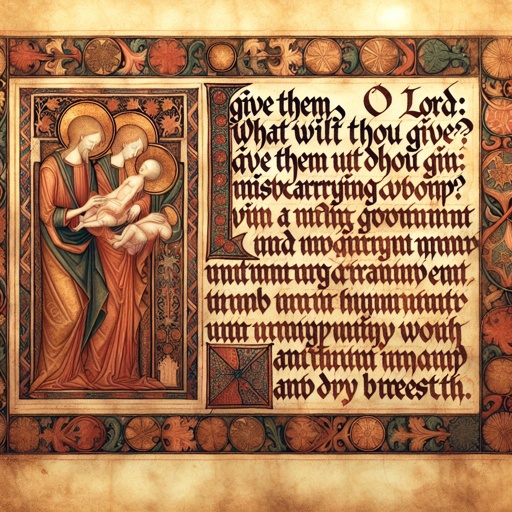
Hosea 9:14 - "Give them, O LORD: what wilt thou give? give them a miscarrying womb and dry breasts."
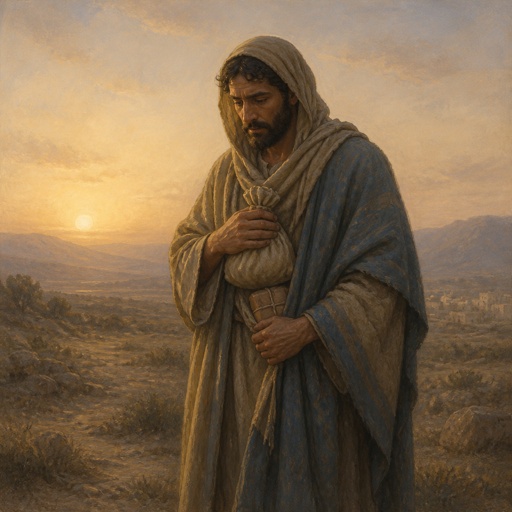
"The iniquity of Ephraim is bound up; his sin is hid." - Hosea 13:12

Hosea 7:9 - "Strangers have devoured his strength, and he knoweth it not: yea, gray hairs are here and there upon him, yet he knoweth not."

Hosea 12:9 - "And I that am the LORD thy God from the land of Egypt will yet make thee to dwell in tabernacles, as in the days of the solemn feast."

Hosea 13:3 - "Therefore they shall be as the morning cloud, and as the early dew that passeth away, as the chaff that is driven with the whirlwind out of the floor, and as the smoke out of the chimney."

Hosea 13:4 - "Yet I am the LORD thy God from the land of Egypt, and thou shalt know no god but me: for there is no saviour beside me."