What does Hosea 5:8 mean?
"Blow ye the cornet in Gibeah, and the trumpet in Ramah: cry aloud at Beth-aven, after thee, O Benjamin." - Hosea 5:8
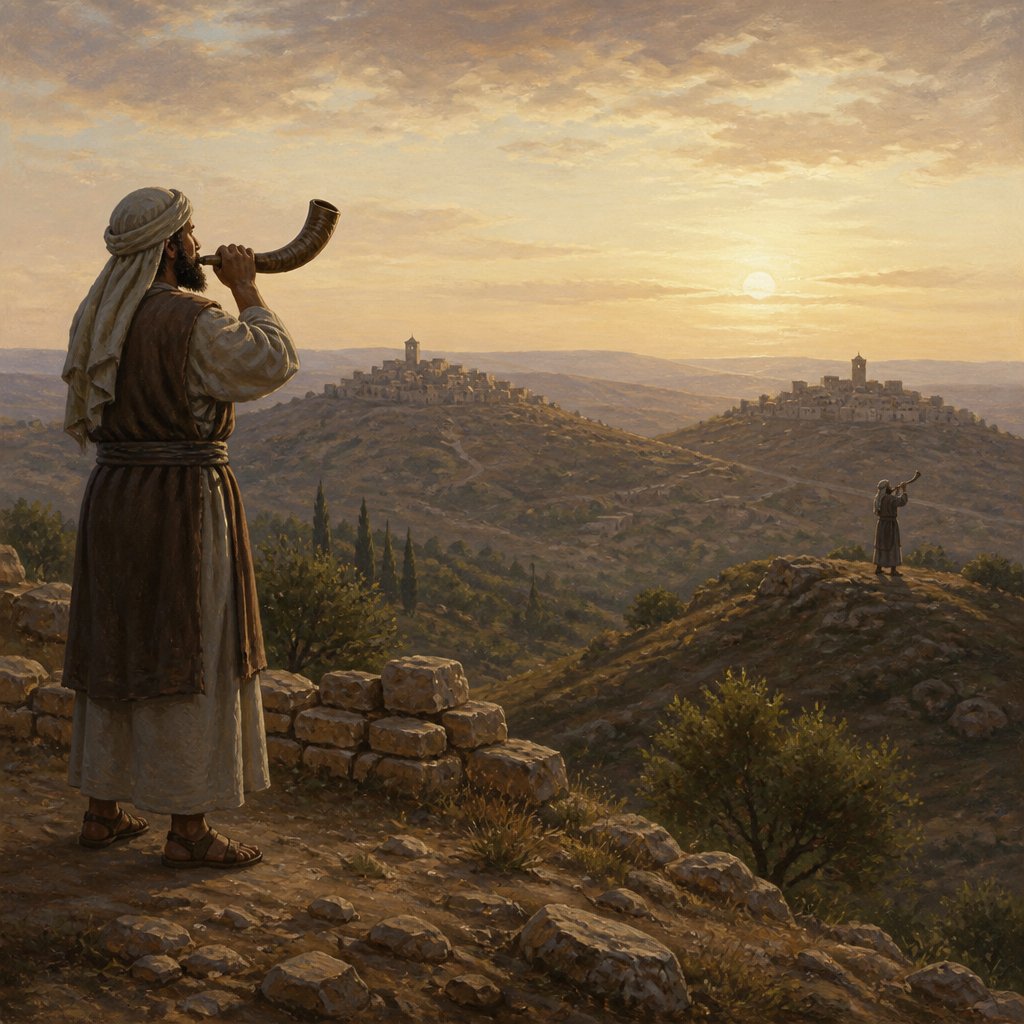
Hosea 5:8 (KJV) states: "Blow ye the cornet in Gibeah, and the trumpet in Ramah: cry aloud at Bethaven, after thee, O Benjamin."
The book of Hosea is one of the minor prophets in the Old Testament and is attributed to the prophet Hosea. The prophet Hosea lived during the reign of Jeroboam II, and his ministry was primarily directed towards the Northern Kingdom of Israel. The book of Hosea is a prophetic message to the people of Israel, warning them of their sin and calling them to repentance.
In Hosea 5:8, the prophet calls on the people to sound the cornet and the trumpet in three specific locations: Gibeah, Ramah, and Bethaven. These were all cities in the Northern Kingdom of Israel, and they were places where the people gathered for religious and civic gatherings. The sounding of the cornet and the trumpet was a call to attention, a call for the people to listen and take heed of the message that was about to be delivered.
The mention of Benjamin in this verse is significant, as Benjamin was one of the twelve tribes of Israel. The tribe of Benjamin was closely associated with Gibeah and Ramah, as these were cities within the territory of Benjamin. By calling out to Benjamin, Hosea is addressing the entire nation of Israel, reminding them of their shared heritage and ancestry.
This verse serves as a warning to the people of Israel. The sounding of the cornet and the trumpet was a traditional way of signaling the approach of an enemy or the arrival of an important announcement. By calling for these instruments to be sounded in these specific locations, Hosea is symbolically signaling the impending judgment of God upon the nation of Israel. The people are being called to attention to prepare themselves for the consequences of their sinful actions.
The themes of sin, judgment, and repentance are prominent throughout the book of Hosea, and this verse is no exception. The prophet Hosea was directed by God to marry a woman who would be unfaithful to him, symbolizing the unfaithfulness of the people of Israel to God. The book is filled with imagery of adultery and infidelity, as the people of Israel turned away from God and pursued idols and false gods. This verse, therefore, is a call for the people to recognize their sin and turn back to God in repentance.
The use of the cornet and the trumpet in this verse also holds symbolic significance. In ancient Israel, the blowing of the cornet and the trumpet was used in various contexts, including in times of war, as a call to assemble, and as a call to worship. The sounding of these instruments was meant to capture the attention of the people and to signal a significant event or announcement. In this verse, the sounding of the cornet and the trumpet is a call to the people to recognize the severity of their situation and to respond accordingly.
Overall, Hosea 5:8 serves as a solemn warning to the people of Israel, calling them to recognize their sin and to prepare for the judgment of God. The mention of specific locations within the Northern Kingdom, as well as the reference to the tribe of Benjamin, highlights the relevance of this message for the entire nation of Israel. The verse is a poignant reminder of the consequences of unfaithfulness and the need for repentance, themes that are central to the message of the book of Hosea.
Have questions about Hosea 5:8?
Dive deeper into this scripture with Bible Chat — an AI-powered tool for exploring God's Word through conversation. Ask questions, get context, and grow in your understanding of the Bible.
Get Our Apps


Hosea 5:8 Artwork

Hosea 5:8 - "Blow ye the cornet in Gibeah, and the trumpet in Ramah: cry aloud at Beth-aven, after thee, O Benjamin."
"Blow ye the cornet in Gibeah, and the trumpet in Ramah: cry aloud at Beth-aven, after thee, O Benjamin." - Hosea 5:8

Hosea 8:5 - "¶ Thy calf, O Samaria, hath cast thee off; mine anger is kindled against them: how long will it be ere they attain to innocency?"

Hosea 3:1-5

Hosea 8:8 - "Israel is swallowed up: now shall they be among the Gentiles as a vessel wherein is no pleasure."

Hosea 12:5 - "Even the LORD God of hosts; the LORD is his memorial."

Hosea 6:8 - "Gilead is a city of them that work iniquity, and is polluted with blood."

Hosea 1:2-11;2:14;3:5

Hosea 5:12 - "Therefore will I be unto Ephraim as a moth, and to the house of Judah as rottenness."

Hosea 13:5 - "¶ I did know thee in the wilderness, in the land of great drought."

Hosea 14:5-6 – "I will be like the dew to Israel; he will blossom like a lily."

Hosea 4:8 - "They eat up the sin of my people, and they set their heart on their iniquity."

Hosea 9:5 - "What will ye do in the solemn day, and in the day of the feast of the LORD?"

Hosea 8:3 - "Israel hath cast off the thing that is good: the enemy shall pursue him."

Hosea 7:8 - "Ephraim, he hath mixed himself among the people; Ephraim is a cake not turned."
Hosea 5:5 - "And the pride of Israel doth testify to his face: therefore shall Israel and Ephraim fall in their iniquity; Judah also shall fall with them."

Hosea 1:5 - "And it shall come to pass at that day, that I will break the bow of Israel in the valley of Jezreel."

Hosea 1:8 - "¶ Now when she had weaned Lo-ruhamah, she conceived, and bare a son."

Hosea 8:2 - "Israel shall cry unto me, My God, we know thee."

Hosea 5:11 - "Ephraim is oppressed and broken in judgment, because he willingly walked after the commandment."

Hosea 5:2 - "And the revolters are profound to make slaughter, though I have been a rebuker of them all."

Hosea 8:11 - "Because Ephraim hath made many altars to sin, altars shall be unto him to sin."

Hosea 8:6 - "For from Israel was it also: the workman made it; therefore it is not God: but the calf of Samaria shall be broken in pieces."

Hosea 8:9 - "For they are gone up to Assyria, a wild ass alone by himself: Ephraim hath hired lovers."

Hosea 8:12 - "I have written to him the great things of my law, but they were counted as a strange thing."

Hosea 11:5 - "¶ He shall not return into the land of Egypt, but the Assyrian shall be his king, because they refused to return."
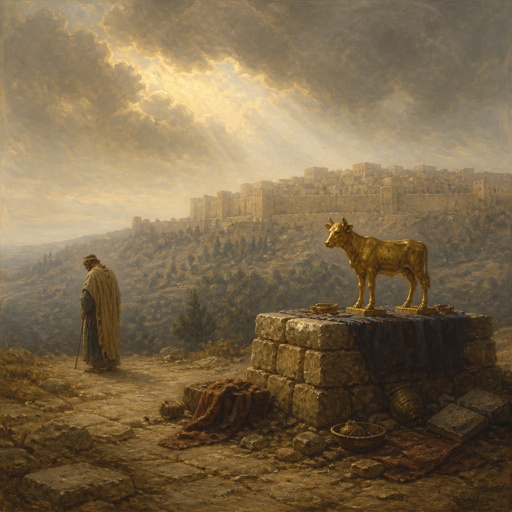
"¶ Thy calf, O Samaria, hath cast thee off; mine anger is kindled against them: how long will it be ere they attain to innocency?" - Hosea 8:5

Hosea 9:8 - "The watchman of Ephraim was with my God: but the prophet is a snare of a fowler in all his ways, and hatred in the house of his God."

Hosea 14:5 - "I will be as the dew unto Israel: he shall grow as the lily, and cast forth his roots as Lebanon."
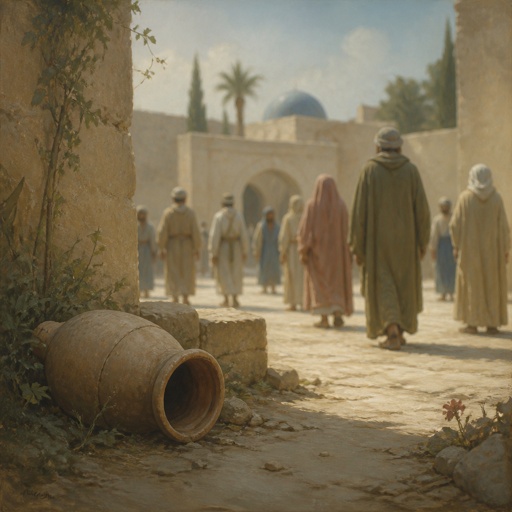
"Israel is swallowed up: now shall they be among the Gentiles as a vessel wherein is no pleasure." - Hosea 8:8