What does Hosea 5:11 mean?
"Ephraim is oppressed and broken in judgment, because he willingly walked after the commandment." - Hosea 5:11
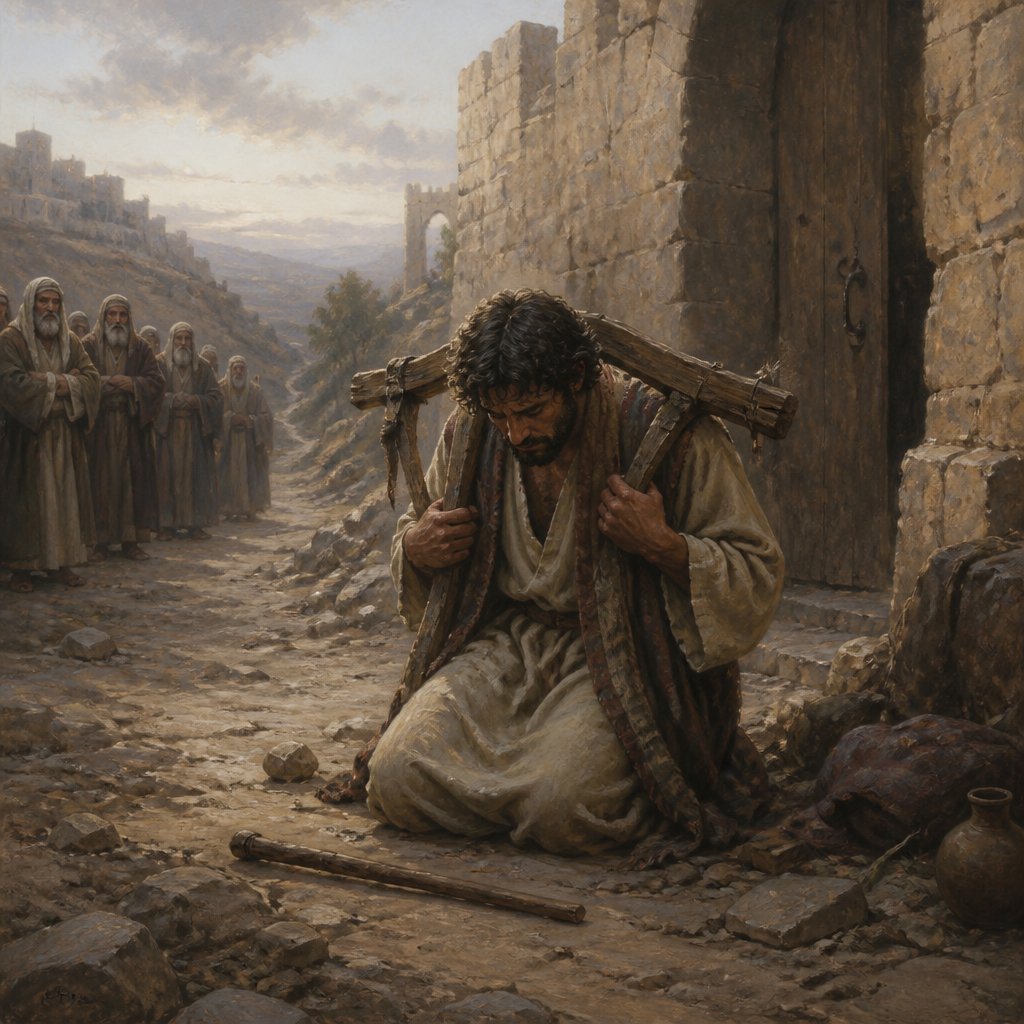
Hosea 5:11 (KJV) states, "Ephraim is oppressed and broken in judgment, because he willingly walked after the commandment."
This verse comes from the book of Hosea in the Old Testament. Hosea was a prophet sent by God to the Israelites during a time of great turmoil and idolatry. The book of Hosea is a powerful and emotional depiction of the broken relationship between God and His people, using the metaphor of a broken marriage between Hosea and his unfaithful wife, Gomer.
In this verse, the prophet Hosea is addressing the tribe of Ephraim. Historically, Ephraim was one of the twelve tribes of Israel and was one of the most prominent and powerful tribes. However, despite their privilege and power, Ephraim had turned away from God and had willingly chosen to follow their own desires and commands rather than obedience to God.
The verse speaks of Ephraim's oppression and brokenness in judgment. This can be understood as a result of the consequences of their disobedience and sin. The people of Ephraim had turned away from God's commandments and had chosen to follow their own ways. As a result, they found themselves in a state of oppression and brokenness, both spiritually and physically.
The theme of judgment is prominent in this verse. Throughout the book of Hosea, there is a repeated pattern of judgment and consequences for the people's disobedience. The prophet warns them of the impending judgment from God if they do not repent and turn back to Him. The brokenness in judgment mentioned in this verse suggests that the people of Ephraim are suffering the consequences of their actions, and their judgment is a result of their own choices.
The verse also highlights the importance of obedience to God's commandments. Ephraim willingly chose to walk after their own commandments, turning away from God's law and authority. This act of willful disobedience ultimately led to their oppression and brokenness in judgment. The verse serves as a reminder of the consequences of disobedience and the importance of following God's commandments.
Symbolically, Ephraim's oppression and brokenness can be seen as a representation of the human condition when we choose to walk away from God. The brokenness in judgment can be understood as the result of sin and the separation from God. This verse serves as a warning and a call to repentance and obedience to God's will.
In a broader sense, this verse can also serve as a reminder of the importance of faithfulness and obedience in our relationship with God. The consequences of Ephraim's disobedience serve as a cautionary tale for all believers, reminding us of the need to remain faithful to God and to follow His commandments.
Overall, Hosea 5:11 from the King James Version of the Bible presents a powerful message about the consequences of disobedience and the importance of faithfulness to God. The verse uses the story of Ephraim as a warning to all believers, urging us to remain obedient to God's commandments and to seek repentance when we stray from His will. It serves as a reminder of the consequences of sin and the hope for restoration through obedience and faithfulness to God.
Have questions about Hosea 5:11?
Dive deeper into this scripture with Bible Chat — an AI-powered tool for exploring God's Word through conversation. Ask questions, get context, and grow in your understanding of the Bible.
Get Our Apps


Hosea 5:11 Artwork

Hosea 5:11 - "Ephraim is oppressed and broken in judgment, because he willingly walked after the commandment."
"Ephraim is oppressed and broken in judgment, because he willingly walked after the commandment." - Hosea 5:11

Hosea 11:5 - "¶ He shall not return into the land of Egypt, but the Assyrian shall be his king, because they refused to return."

Hosea 1:2-11;2:14;3:5
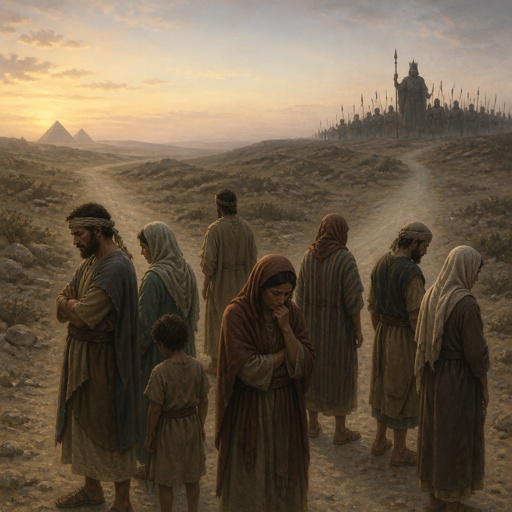
"¶ He shall not return into the land of Egypt, but the Assyrian shall be his king, because they refused to return." - Hosea 11:5

Hosea 3:1-5

Hosea 12:5 - "Even the LORD God of hosts; the LORD is his memorial."

Hosea 11:11 - "They shall tremble as a bird out of Egypt, and as a dove out of the land of Assyria: and I will place them in their houses, saith the LORD."

Hosea 5:12 - "Therefore will I be unto Ephraim as a moth, and to the house of Judah as rottenness."

Hosea 13:5 - "¶ I did know thee in the wilderness, in the land of great drought."

Hosea 14:5-6 – "I will be like the dew to Israel; he will blossom like a lily."

Hosea 9:5 - "What will ye do in the solemn day, and in the day of the feast of the LORD?"

Hosea 7:11 - "¶ Ephraim also is like a silly dove without heart: they call to Egypt, they go to Assyria."
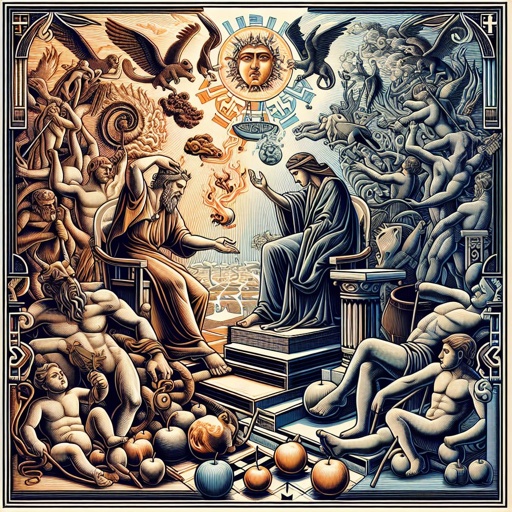
Hosea 5:5 - "And the pride of Israel doth testify to his face: therefore shall Israel and Ephraim fall in their iniquity; Judah also shall fall with them."

Hosea 1:5 - "And it shall come to pass at that day, that I will break the bow of Israel in the valley of Jezreel."

Hosea 8:11 - "Because Ephraim hath made many altars to sin, altars shall be unto him to sin."

Hosea 11:3 - "I taught Ephraim also to go, taking them by their arms; but they knew not that I healed them."

Hosea 13:11 - "I gave thee a king in mine anger, and took him away in my wrath."

Hosea 11:1 - "When Israel was a child, then I loved him, and called my son out of Egypt."

Hosea 5:2 - "And the revolters are profound to make slaughter, though I have been a rebuker of them all."

Song of Solomon 5:11

Hosea 9:11 - "As for Ephraim, their glory shall fly away like a bird, from the birth, and from the womb, and from the conception."

Hosea 12:11 - "Is there iniquity in Gilead? surely they are vanity: they sacrifice bullocks in Gilgal; yea, their altars are as heaps in the furrows of the fields."

Philippians 2:5-11

Hosea 11:2 - "As they called them, so they went from them: they sacrificed unto Baalim, and burned incense to graven images."

Hosea 14:5 - "I will be as the dew unto Israel: he shall grow as the lily, and cast forth his roots as Lebanon."

Hosea 11:6 - "And the sword shall abide on his cities, and shall consume his branches, and devour them, because of their own counsels."

Hosea 6:11 - "Also, O Judah, he hath set an harvest for thee, when I returned the captivity of my people."

Hosea 11:12 - "Ephraim compasseth me about with lies, and the house of Israel with deceit: but Judah yet ruleth with God, and is faithful with the saints."

Hosea 5:8 - "Blow ye the cornet in Gibeah, and the trumpet in Ramah: cry aloud at Beth-aven, after thee, O Benjamin."