What does Hosea 13:11 mean?
"I gave thee a king in mine anger, and took him away in my wrath." - Hosea 13:11

Hosea 13:11 (KJV) states, "I gave thee a king in mine anger, and took him away in my wrath." This verse comes from the book of Hosea in the Old Testament of the Bible. The book of Hosea is one of the books of the Minor Prophets and is known for its vivid imagery and powerful language. The prophet Hosea lived during a time of great turmoil and upheaval in the nation of Israel, and his message is one of warning and judgment for the people's unfaithfulness to God.
The verse speaks of God's actions towards the nation of Israel, particularly in the context of the monarchy. In this verse, God is addressing the people of Israel, reminding them of the consequences of their actions and the role that God played in the rise and fall of their kings.
The theme of divine judgment and punishment is central to this verse. The imagery of God giving a king in anger and taking him away in wrath reflects the idea of God's sovereignty and authority over earthly rulers. It serves as a reminder of the consequences of disobedience and unfaithfulness to God. The verse also emphasizes the temporary nature of human power and the ultimate authority of God over all things.
In the historical context of the book of Hosea, the verse can be seen as a reflection of the nation of Israel's turbulent history with its monarchy. Throughout the Old Testament, the Israelite kings and their reigns were often marked by a cycle of faithfulness and unfaithfulness to God, leading to various forms of divine judgment and punishment.
Symbolically, the verse can be interpreted as a warning to all nations and rulers about the consequences of pride, disobedience, and turning away from God. It serves as a reminder that all earthly power is ultimately subject to God's authority and can be given or taken away according to His will.
The verse can also be seen as a reflection of the broader theme of God's faithfulness and the consequences of human unfaithfulness. Throughout the book of Hosea, the prophet uses the metaphor of a marital relationship to describe the covenant between God and His people. The unfaithfulness of the people is likened to a wife who has been unfaithful to her husband, and the consequences of their actions are portrayed in vivid and powerful imagery.
Overall, Hosea 13:11 is a powerful and poignant reminder of the consequences of disobedience and unfaithfulness to God. It emphasizes the sovereignty and authority of God over all things, including earthly rulers and nations. The verse serves as a warning to all people and nations to remain faithful and obedient to God, and it highlights the temporary nature of human power in contrast to the eternal and unchanging nature of God.
Have questions about Hosea 13:11?
Dive deeper into this scripture with Bible Chat — an AI-powered tool for exploring God's Word through conversation. Ask questions, get context, and grow in your understanding of the Bible.
Get Our Apps


Hosea 13:11 Artwork

Hosea 13:11 - "I gave thee a king in mine anger, and took him away in my wrath."

"I gave thee a king in mine anger, and took him away in my wrath." - Hosea 13:11

Hosea 13:12 - "The iniquity of Ephraim is bound up; his sin is hid."

Hosea 13:5 - "¶ I did know thee in the wilderness, in the land of great drought."

Hosea 12:13 - "And by a prophet the LORD brought Israel out of Egypt, and by a prophet was he preserved."

Hosea 13:9 - "¶ O Israel, thou hast destroyed thyself; but in me is thine help."

Hosea 11:11 - "They shall tremble as a bird out of Egypt, and as a dove out of the land of Assyria: and I will place them in their houses, saith the LORD."

Hosea 13:7 - "Therefore I will be unto them as a lion: as a leopard by the way will I observe them:"

Hosea 13:13 - "The sorrows of a travailing woman shall come upon him: he is an unwise son; for he should not stay long in the place of the breaking forth of children."

Hosea 7:11 - "¶ Ephraim also is like a silly dove without heart: they call to Egypt, they go to Assyria."

Hosea 5:11 - "Ephraim is oppressed and broken in judgment, because he willingly walked after the commandment."

Hosea 8:11 - "Because Ephraim hath made many altars to sin, altars shall be unto him to sin."

Hosea 11:3 - "I taught Ephraim also to go, taking them by their arms; but they knew not that I healed them."

Hosea 11:1 - "When Israel was a child, then I loved him, and called my son out of Egypt."

Hosea 13:6 - "According to their pasture, so were they filled; they were filled, and their heart was exalted; therefore have they forgotten me."

Hosea 9:11 - "As for Ephraim, their glory shall fly away like a bird, from the birth, and from the womb, and from the conception."

Hosea 11:5 - "¶ He shall not return into the land of Egypt, but the Assyrian shall be his king, because they refused to return."

Hosea 12:11 - "Is there iniquity in Gilead? surely they are vanity: they sacrifice bullocks in Gilgal; yea, their altars are as heaps in the furrows of the fields."

Hosea 9:13 - "Ephraim, as I saw Tyrus, is planted in a pleasant place: but Ephraim shall bring forth his children to the murderer."

Hosea 13:1 - "When Ephraim spake trembling, he exalted himself in Israel; but when he offended in Baal, he died."

Hosea 11:2 - "As they called them, so they went from them: they sacrificed unto Baalim, and burned incense to graven images."

Hosea 11:6 - "And the sword shall abide on his cities, and shall consume his branches, and devour them, because of their own counsels."

Hosea 6:11 - "Also, O Judah, he hath set an harvest for thee, when I returned the captivity of my people."

Hosea 11:12 - "Ephraim compasseth me about with lies, and the house of Israel with deceit: but Judah yet ruleth with God, and is faithful with the saints."
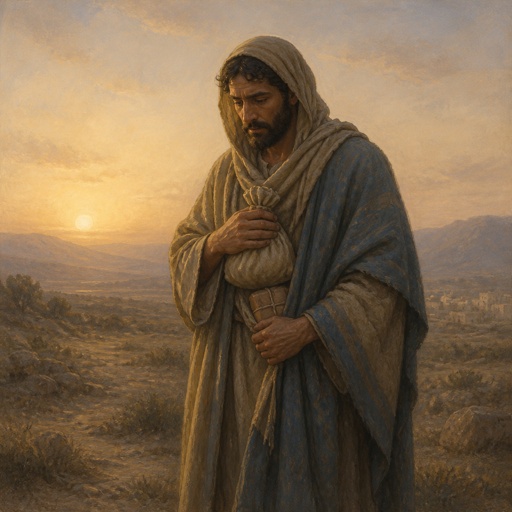
"The iniquity of Ephraim is bound up; his sin is hid." - Hosea 13:12

Hosea 13:3 - "Therefore they shall be as the morning cloud, and as the early dew that passeth away, as the chaff that is driven with the whirlwind out of the floor, and as the smoke out of the chimney."

Hosea 13:4 - "Yet I am the LORD thy God from the land of Egypt, and thou shalt know no god but me: for there is no saviour beside me."
Psalm 1:1-3
Pain 1:1-3
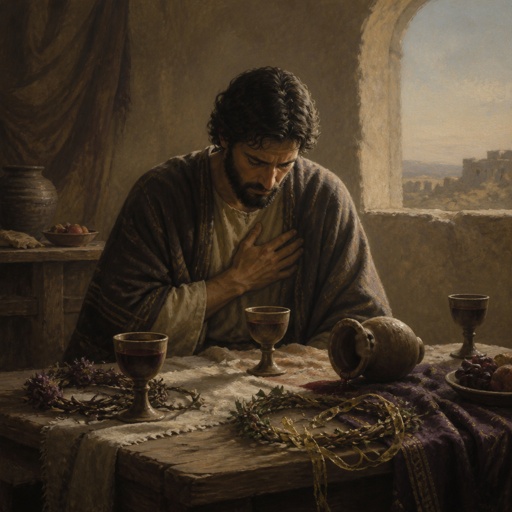
"Whoredom and wine and new wine take away the heart." - Hosea 4:11