What does Hosea 11:8 mean?
"How shall I give thee up, Ephraim? how shall I deliver thee, Israel? how shall I make thee as Admah? how shall I set thee as Zeboim? mine heart is turned within me, my repentings are kindled together." - Hosea 11:8
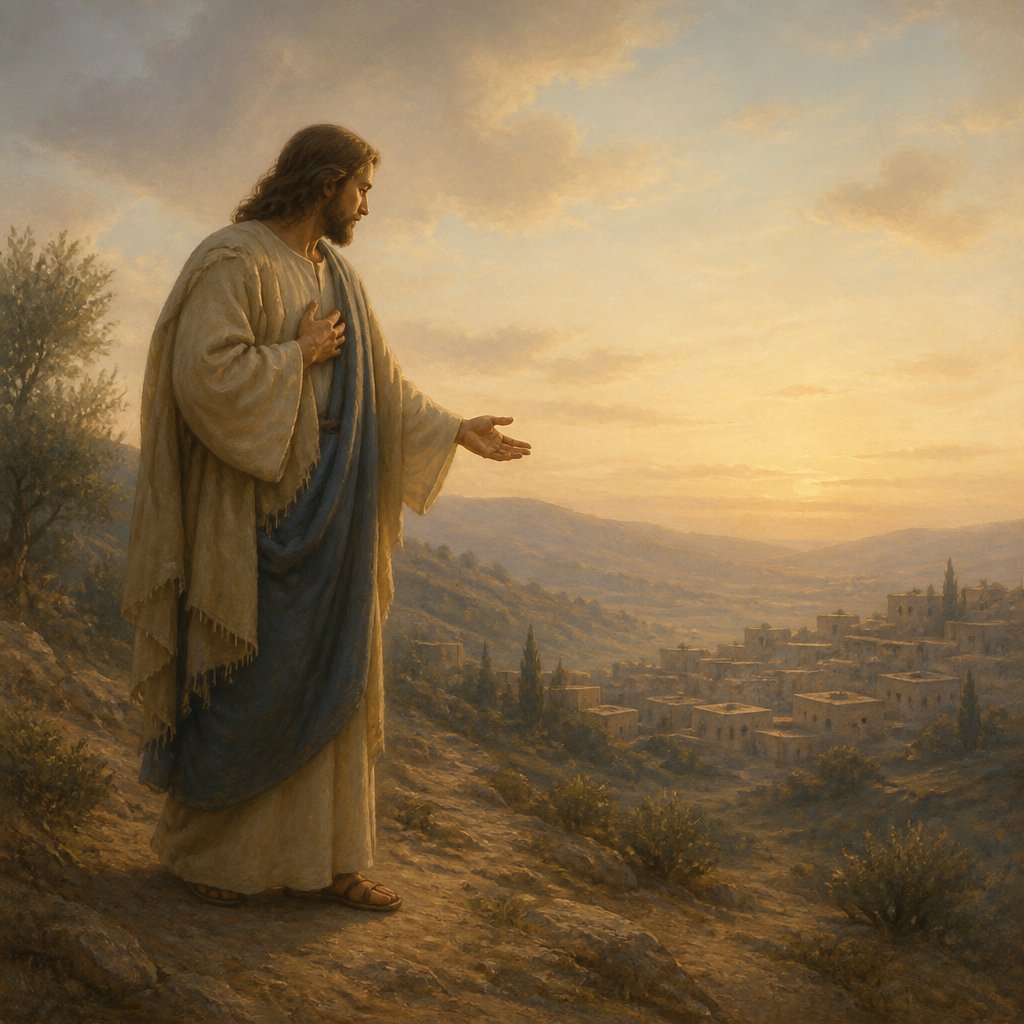
The verse Hosea 11:8 in the King James Version of the Bible reads, "How shall I give thee up, Ephraim? how shall I deliver thee, Israel? how shall I make thee as Admah? how shall I set thee as Zeboim? mine heart is turned within me, my repentings are kindled together."
This verse is part of the book of Hosea, which is one of the prophetic books in the Old Testament. Hosea was a prophet who lived in the Northern Kingdom of Israel during the 8th century BC. The book of Hosea is a deeply personal and emotional account of the prophet's relationship with his wife, Gomer, which serves as a metaphor for God's relationship with Israel. The overarching theme of the book is the unfaithfulness of Israel and God's enduring love and desire for reconciliation.
In Hosea 11:8, God expresses his inner turmoil over the prospect of giving up on and delivering judgment to the wayward nation of Israel. The verse begins with a series of rhetorical questions, emphasizing the deep internal struggle that God is experiencing. The names Admah and Zeboim refer to two of the cities that were destroyed along with Sodom and Gomorrah in the book of Genesis. By referencing these cities, God is conveying the severity of his judgment, as well as his reluctance to bring about such devastation.
The verse continues with the phrase, "mine heart is turned within me," which reflects God's inner conflict and compassion for his people. Despite their repeated acts of rebellion and idolatry, God is deeply moved and troubled by the thought of abandoning them to their fate. The use of the word "repentings" further underscores God's emotional turmoil, as he wrestles with the conflicting desires for justice and mercy.
One of the key themes of this verse is the tension between judgment and mercy. On one hand, God's justice demands that he punish the unfaithfulness of his people. However, his love and compassion lead him to seek reconciliation and restoration. This tension is a recurring theme throughout the book of Hosea and is reflective of God's complex and multifaceted nature.
Another important theme in this verse is the faithfulness of God. Despite the unfaithfulness of Israel, God's love and commitment to his people remain steadfast. The language of internal conflict and repentance demonstrates God's deep emotional investment in his relationship with Israel. It conveys a powerful image of a God who is not distant or aloof, but rather intimately involved and affected by the actions of his people.
The verse also serves as a poignant reminder of the consequences of disobedience and the need for genuine repentance. Through his lament, God is calling Israel to turn away from their sinful ways and return to him. It underscores the importance of true repentance and the possibility of restoration and reconciliation with God.
In terms of symbolism, the verse can be seen as a reflection of the human experience of moral struggle and the complexities of divine judgment and mercy. It offers a profound insight into the nature of God and his relationship with humanity, highlighting his compassion, patience, and longing for reconciliation.
In conclusion, Hosea 11:8 is a powerful and emotionally charged verse that captures the inner turmoil and compassion of God as he grapples with the unfaithfulness of his people. It serves as a testament to the enduring love and faithfulness of God, as well as a call to repentance and reconciliation. This verse continues to resonate with believers as a poignant reminder of the depth of God's love and the complexity of his character.
Have questions about Hosea 11:8?
Dive deeper into this scripture with Bible Chat — an AI-powered tool for exploring God's Word through conversation. Ask questions, get context, and grow in your understanding of the Bible.
Get Our Apps


Hosea 11:8 Artwork

Hosea 11:8 - "How shall I give thee up, Ephraim? how shall I deliver thee, Israel? how shall I make thee as Admah? how shall I set thee as Zeboim? mine heart is turned within me, my repentings are kindled together."
"How shall I give thee up, Ephraim? how shall I deliver thee, Israel? how shall I make thee as Admah? how shall I set thee as Zeboim? mine heart is turned within me, my repentings are kindled together." - Hosea 11:8

Hosea 8:11 - "Because Ephraim hath made many altars to sin, altars shall be unto him to sin."
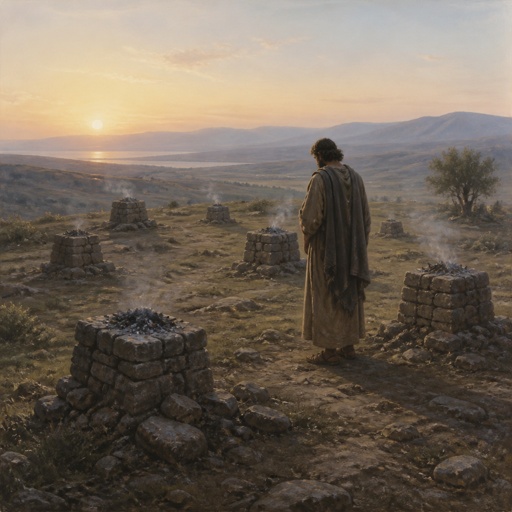
"Because Ephraim hath made many altars to sin, altars shall be unto him to sin." - Hosea 8:11

Hosea 8:8 - "Israel is swallowed up: now shall they be among the Gentiles as a vessel wherein is no pleasure."

Hosea 6:8 - "Gilead is a city of them that work iniquity, and is polluted with blood."

Hosea 11:11 - "They shall tremble as a bird out of Egypt, and as a dove out of the land of Assyria: and I will place them in their houses, saith the LORD."

Hosea 4:8 - "They eat up the sin of my people, and they set their heart on their iniquity."

Hosea 8:3 - "Israel hath cast off the thing that is good: the enemy shall pursue him."

Hosea 7:8 - "Ephraim, he hath mixed himself among the people; Ephraim is a cake not turned."

Hosea 7:11 - "¶ Ephraim also is like a silly dove without heart: they call to Egypt, they go to Assyria."

Hosea 5:11 - "Ephraim is oppressed and broken in judgment, because he willingly walked after the commandment."

Hosea 1:8 - "¶ Now when she had weaned Lo-ruhamah, she conceived, and bare a son."

Hosea 8:2 - "Israel shall cry unto me, My God, we know thee."

Hosea 11:3 - "I taught Ephraim also to go, taking them by their arms; but they knew not that I healed them."

Hosea 13:11 - "I gave thee a king in mine anger, and took him away in my wrath."

Hosea 11:1 - "When Israel was a child, then I loved him, and called my son out of Egypt."

Hosea 8:6 - "For from Israel was it also: the workman made it; therefore it is not God: but the calf of Samaria shall be broken in pieces."

Hosea 8:9 - "For they are gone up to Assyria, a wild ass alone by himself: Ephraim hath hired lovers."

Hosea 9:11 - "As for Ephraim, their glory shall fly away like a bird, from the birth, and from the womb, and from the conception."

Hosea 11:5 - "¶ He shall not return into the land of Egypt, but the Assyrian shall be his king, because they refused to return."

Hosea 12:11 - "Is there iniquity in Gilead? surely they are vanity: they sacrifice bullocks in Gilgal; yea, their altars are as heaps in the furrows of the fields."

Hosea 8:12 - "I have written to him the great things of my law, but they were counted as a strange thing."

Hosea 11:2 - "As they called them, so they went from them: they sacrificed unto Baalim, and burned incense to graven images."

Hosea 9:8 - "The watchman of Ephraim was with my God: but the prophet is a snare of a fowler in all his ways, and hatred in the house of his God."

Hosea 11:6 - "And the sword shall abide on his cities, and shall consume his branches, and devour them, because of their own counsels."

Hosea 6:11 - "Also, O Judah, he hath set an harvest for thee, when I returned the captivity of my people."

Hosea 11:12 - "Ephraim compasseth me about with lies, and the house of Israel with deceit: but Judah yet ruleth with God, and is faithful with the saints."
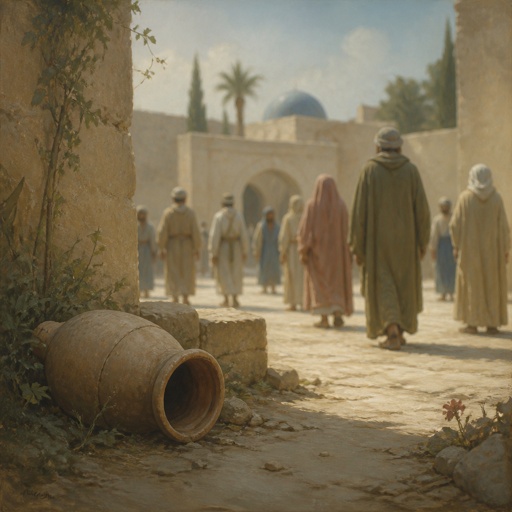
"Israel is swallowed up: now shall they be among the Gentiles as a vessel wherein is no pleasure." - Hosea 8:8

Hosea 5:8 - "Blow ye the cornet in Gibeah, and the trumpet in Ramah: cry aloud at Beth-aven, after thee, O Benjamin."