What does Hosea 11:1-4 mean?
"When Israel was a child, then I loved him, and called my son out of Egypt. As they called them, so they went from them: they sacrificed unto Baalim, and burned incense to graven images. I taught Ephraim also to go, taking them by their arms; but they knew not that I healed them. I drew them with cords of a man, with bands of love: and I was to them as they that take off the yoke on their jaws, and I laid meat unto them." - Hosea 11:1-4
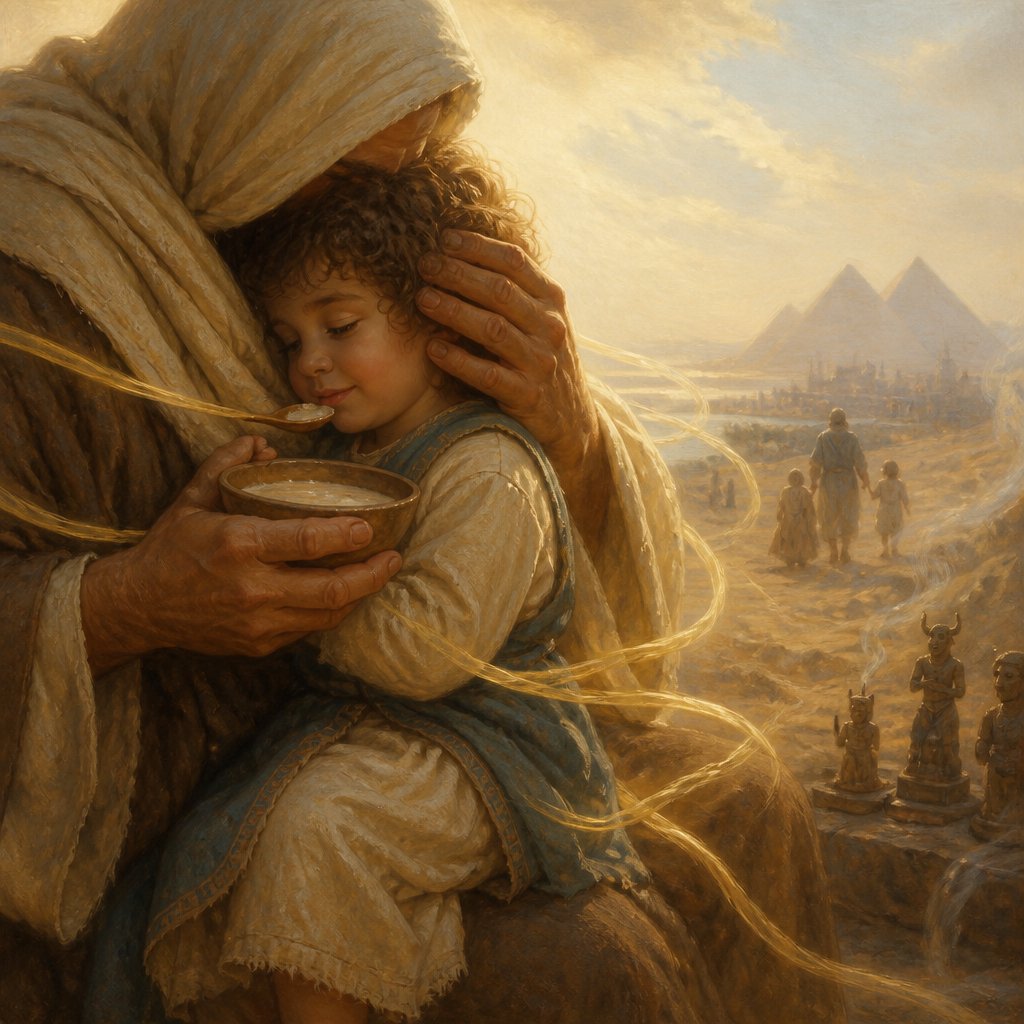
Hosea 11:1-4 in the King James Version (KJV) states:
"When Israel was a child, then I loved him, and called my son out of Egypt. As they called them, so they went from them: they sacrificed unto Baalim, and burned incense to graven images. I taught Ephraim also to go, taking them by their arms; but they knew not that I healed them. I drew them with cords of a man, with bands of love: and I was to them as they that take off the yoke on their jaws, and I laid meat unto them."
This passage from the Book of Hosea is a poignant reflection on the relationship between God and the nation of Israel. It harkens back to the time when Israel was like a child to God, and He loved and called them out of Egypt. The use of the term "child" here is significant, as it signifies a period of innocence and dependency. In this context, God's love for Israel is portrayed as a parental love, a love that cares for, nurtures, and protects.
The reference to calling his son out of Egypt is a direct allusion to the Exodus, when God delivered the Israelites from slavery in Egypt and led them into the Promised Land. This event was a foundational experience in Israel's history, marking their liberation and establishment as a nation. The verse emphasizes God's role as a loving and benevolent father figure, guiding and caring for his chosen people.
The subsequent lines, however, reveal a poignant contrast to this loving relationship. The people of Israel turned away from God, forsaking his commandments and choosing to worship false gods such as Baalim and graven images. This betrayal is akin to a wayward child abandoning their parent's guidance and protection. The reference to sacrificing to Baalim and burning incense to graven images highlights the spiritual unfaithfulness of Israel, as they turned to idolatry and sought fulfillment in false gods.
Despite their waywardness, God's love for Israel remains steadfast. He laments that he taught Ephraim (a reference to the people of Israel) to walk, but they did not understand that it was God who healed them. This reflects a sense of disappointment and frustration on God's part, as he saw his efforts to guide and nurture Israel go unappreciated.
The imagery in verse four further underscores the depth of God's love and care for Israel. God draws them with cords of a man, using bands of love to bind them to himself. This imagery evokes the tenderness and compassion of a caregiver, gently leading and guiding a wayward child back into the fold. The mention of removing the yoke from their jaws and providing food serves as a metaphor for God's desire to relieve Israel's burdens and provide for their needs.
Overall, this passage from Hosea serves as a powerful meditation on the nature of God's love and the faithfulness of his chosen people. It highlights the dynamics of a parent-child relationship, expressing God's enduring love and concern for his wayward children. Despite Israel's unfaithfulness, God continues to reach out to them, offering forgiveness and reconciliation. This passage also serves as a cautionary tale, warning against the dangers of straying from God and seeking fulfillment in false idols. It reinforces the theme of God's unconditional love and the call for repentance and reconciliation in the face of waywardness. The imagery of parental care and nurturing further emphasizes the loving and compassionate nature of God, inviting the reader to reflect on their own relationship with their creator.
Have questions about Hosea 11:1-4?
Dive deeper into this scripture with Bible Chat — an AI-powered tool for exploring God's Word through conversation. Ask questions, get context, and grow in your understanding of the Bible.
Get Our Apps


Hosea 11:1-4 Artwork

Hosea 11:1-4 - "When Israel was a child, I loved him, and out of Egypt I called my son. But the more they were called, the more they went away from me. They sacrificed to the Baals and they burned incense to images. It was I who taught Ephraim to walk, taking them by the arms; but they did not realize it was I who healed them. I led them with cords of human kindness, with ties of love. To them I was like one who lifts a little child to the cheek, and I bent down to feed them."
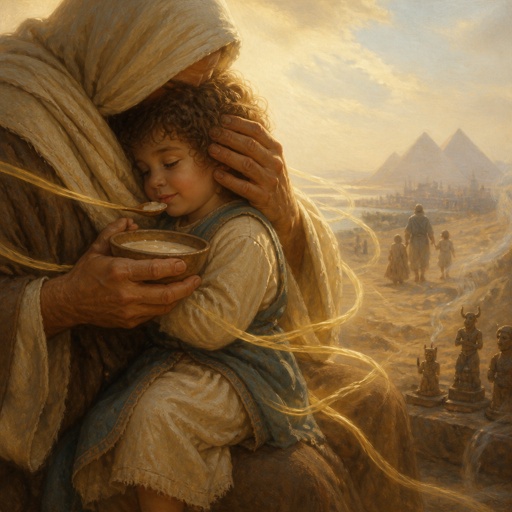
"When Israel was a child, I loved him, and out of Egypt I called my son. But the more they were called, the more they went away from me. They sacrificed to the Baals and they burned incense to images. It was I who taught Ephraim to walk, taking them by the arms; but they did not realize it was I who healed them. I led them with cords of human kindness, with ties of love. To them I was like one who lifts a little child to the cheek, and I bent down to feed them." - Hosea 11:1-4
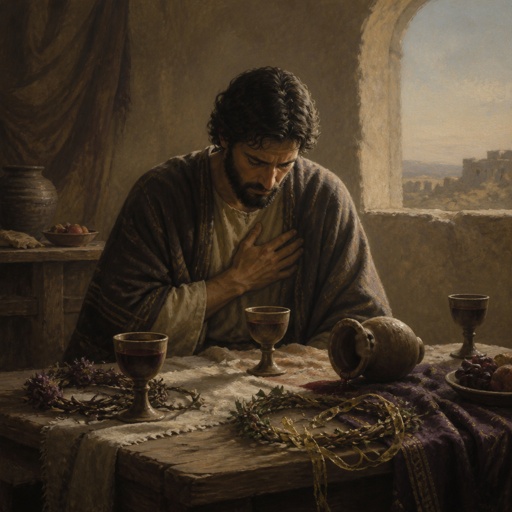
"Whoredom and wine and new wine take away the heart." - Hosea 4:11

Hosea 11:1 - "When Israel was a child, then I loved him, and called my son out of Egypt."

Hosea 11:4 - "I drew them with cords of a man, with bands of love: and I was to them as they that take off the yoke on their jaws, and I laid meat unto them."

Hosea 1:2-11;2:14;3:5

Hosea 1:11 - "Then shall the children of Judah and the children of Israel be gathered together, and appoint themselves one head, and they shall come up out of the land: for great shall be the day of Jezreel."

Hosea 4:1 - "Hear the word of the LORD, ye children of Israel: for the LORD hath a controversy with the inhabitants of the land, because there is no truth, nor mercy, nor knowledge of God in the land."

Hosea 4:4 - "Yet let no man strive, nor reprove another: for thy people are as they that strive with the priest."
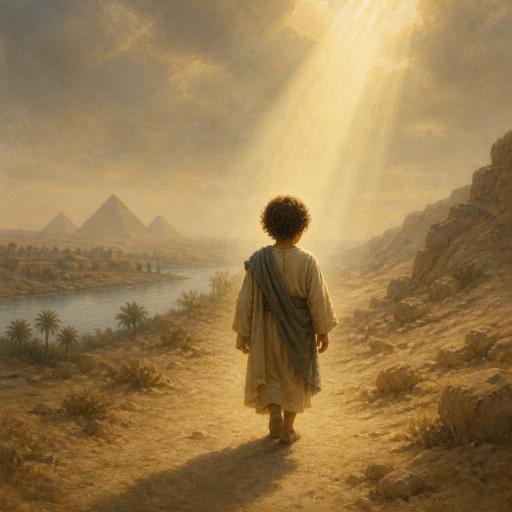
"When Israel was a child, then I loved him, and called my son out of Egypt." - Hosea 11:1

Hosea 11:11 - "They shall tremble as a bird out of Egypt, and as a dove out of the land of Assyria: and I will place them in their houses, saith the LORD."

Hosea 1:4 - "And the LORD said unto him, Call his name Jezreel; for yet a little while, and I will avenge the blood of Jezreel upon the house of Jehu, and will cause to cease the kingdom of the house of Israel."

Hosea 4:17 - "Ephraim is joined to idols: let him alone."
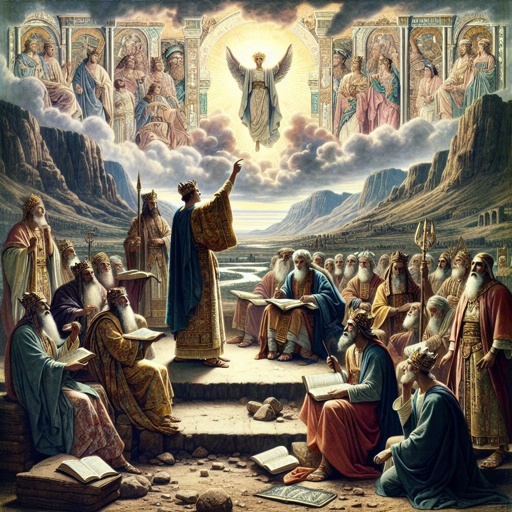
Hosea 1:1 - "The word of the LORD that came unto Hosea, the son of Beeri, in the days of Uzziah, Jotham, Ahaz, and Hezekiah, kings of Judah, and in the days of Jeroboam the son of Joash, king of Israel."

Hosea 2:4 - "And I will not have mercy upon her children; for they be the children of whoredoms."
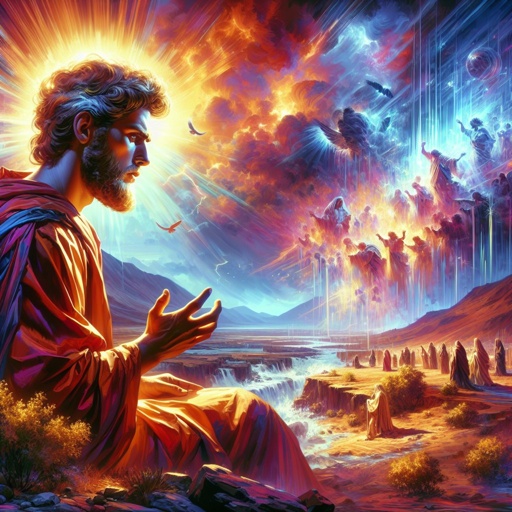
Hosea 1:2 - "The beginning of the word of the LORD by Hosea. And the LORD said to Hosea, Go, take unto thee a wife of whoredoms and children of whoredoms: for the land hath committed great whoredom, departing from the LORD."

Hosea 7:11 - "¶ Ephraim also is like a silly dove without heart: they call to Egypt, they go to Assyria."

Hosea 5:11 - "Ephraim is oppressed and broken in judgment, because he willingly walked after the commandment."

Hosea 4:8 - "They eat up the sin of my people, and they set their heart on their iniquity."

Hosea 1:2

Hosea 3:1

Hosea 8:11 - "Because Ephraim hath made many altars to sin, altars shall be unto him to sin."

Hosea 11:3 - "I taught Ephraim also to go, taking them by their arms; but they knew not that I healed them."

Hosea 13:11 - "I gave thee a king in mine anger, and took him away in my wrath."

Hosea 1:2

Hosea 9:11 - "As for Ephraim, their glory shall fly away like a bird, from the birth, and from the womb, and from the conception."

Hosea 11:5 - "¶ He shall not return into the land of Egypt, but the Assyrian shall be his king, because they refused to return."

Hosea 12:11 - "Is there iniquity in Gilead? surely they are vanity: they sacrifice bullocks in Gilgal; yea, their altars are as heaps in the furrows of the fields."
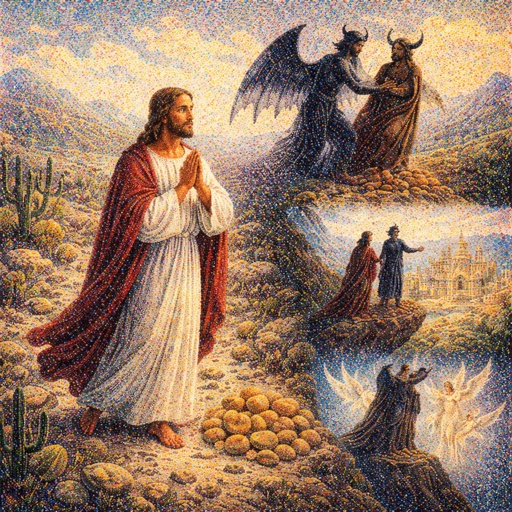
Mathew 4: 1-11
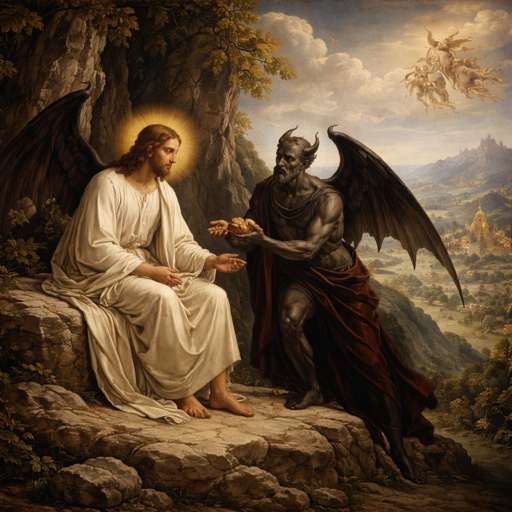
mathew 4: 1-11